



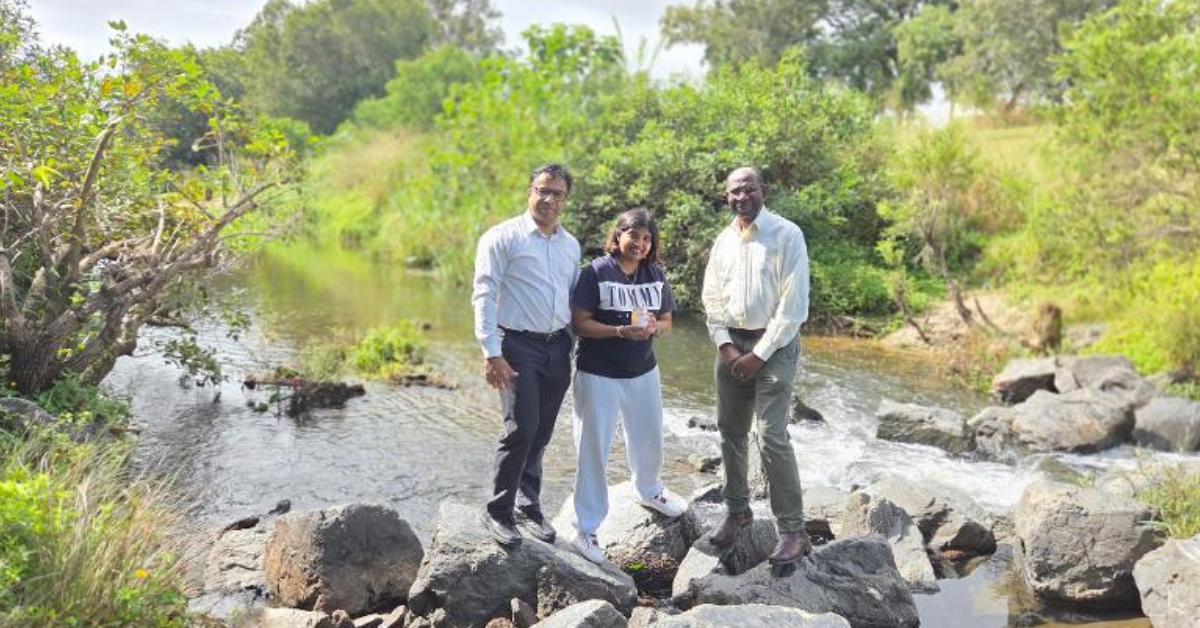
A quiet walk along the popular Kedron Brook in Wooloowin hides a heavily reality of pollution with a new Queensland University of Technology study revealing the waterway contains the highest concentration of microplastics in Brisbane.
Over a year-long testing period, researchers sampled sediment from multiple locations along the city’s waterways to understand the scale of the pollution problem. The research team collected samples four times throughout the year, travelling from the upstream headwaters all the way down to the estuarine levels. They discovered that the sand and dirt sitting at the bottom of these familiar neighbourhood creeks are packed with tiny plastic fragments from everyday household and industrial items.


The Plastic Makeup of Local Creeks
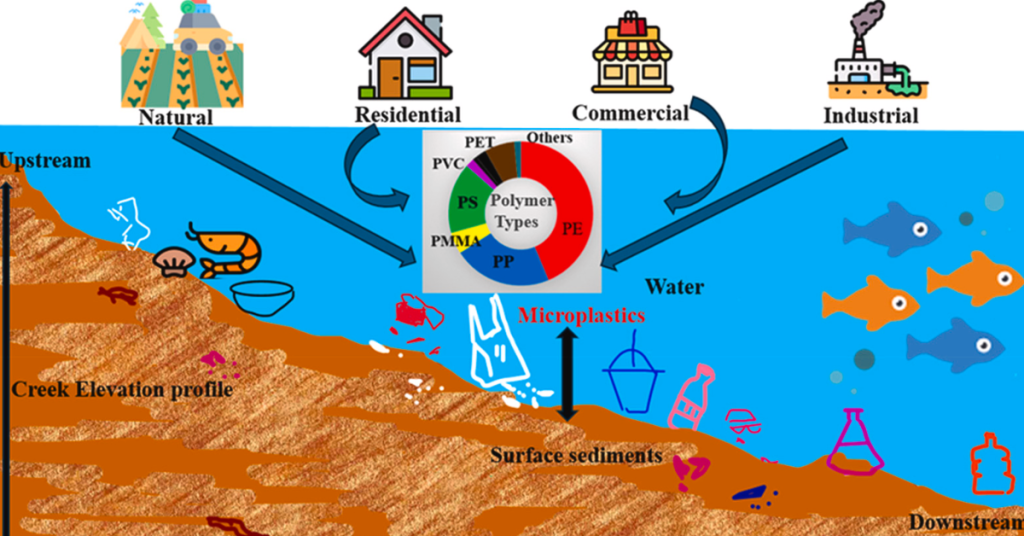
Lead researcher Heshani Mudalige reported that Kedron Brook averaged around 4,400 plastic items for every kilogram of dry sediment tested. The primary culprit found in the waterbed was polyethylene, a very common material used in packaging, soft drink bottles, toys, and agricultural materials. Other major pollutants included polypropylene, frequently used for food containers and car parts, and polymethyl methacrylate.
The heavy concentration of microplastics in Kedron Brook is largely driven by its surrounding environment. Mudalige explained that the creek runs through major commercial and industrial zones, including the busy Brisbane Airport precinct. These areas generate significant single-use plastic waste, food packaging, and construction debris.

Additionally, the flat terrain and paved surfaces around the Wooloowin area and surrounding suburbs create heavy stormwater runoff. This runoff easily sweeps loose plastics from residential streets, local sports fields, and parks directly into the water, where the flat landscape allows the debris to settle into the sediment.

Comparing the Catchments
The study also examined two other major waterways, finding that while they were slightly cleaner, they still carried significant pollution loads. Bulimba Creek ranked second, holding about 4,100 plastic items per kilogram of sediment. Mudalige noted that pollution in Bulimba Creek comes mostly from the residential and commercial areas it flows through, picking up consumer packaging, textile fibres, and household plastics along the way.
Enoggera Creek recorded the lowest levels of the three, with roughly 2,800 items per kilogram. The researchers attributed this lower count to the Enoggera Dam. The dam acts as a physical barrier that regulates water flow and traps a large portion of the microplastics before they can travel further downstream.



Seasonal Shifts and the Journey to the Bay
The amount of plastic in these waterways does not stay the same all year. The research team found that weather and seasons play a massive role in how much pollution accumulates. Mudalige highlighted that microplastic levels in Kedron Brook spiked sharply during March, following the heavy summer rains that washed large amounts of urban debris into the creek. By contrast, Bulimba Creek saw its highest pollution levels in November.
This creek pollution is not just a localised issue, as these waterways serve as direct transport routes to the ocean. Associate Professor Prasanna Egodawatta explained that highly urbanised catchments across Southeast Queensland are a major source of the microplastics ending up in Moreton Bay. He pointed out that understanding how these local creeks move water and sediment is the crucial first step in measuring the total volume of land-based plastics washing into the bay through the city’s stormwater systems.
Published Date 26-May-2026