
Clayfield College Celebrates Top ATAR Achievers in Class of 2025

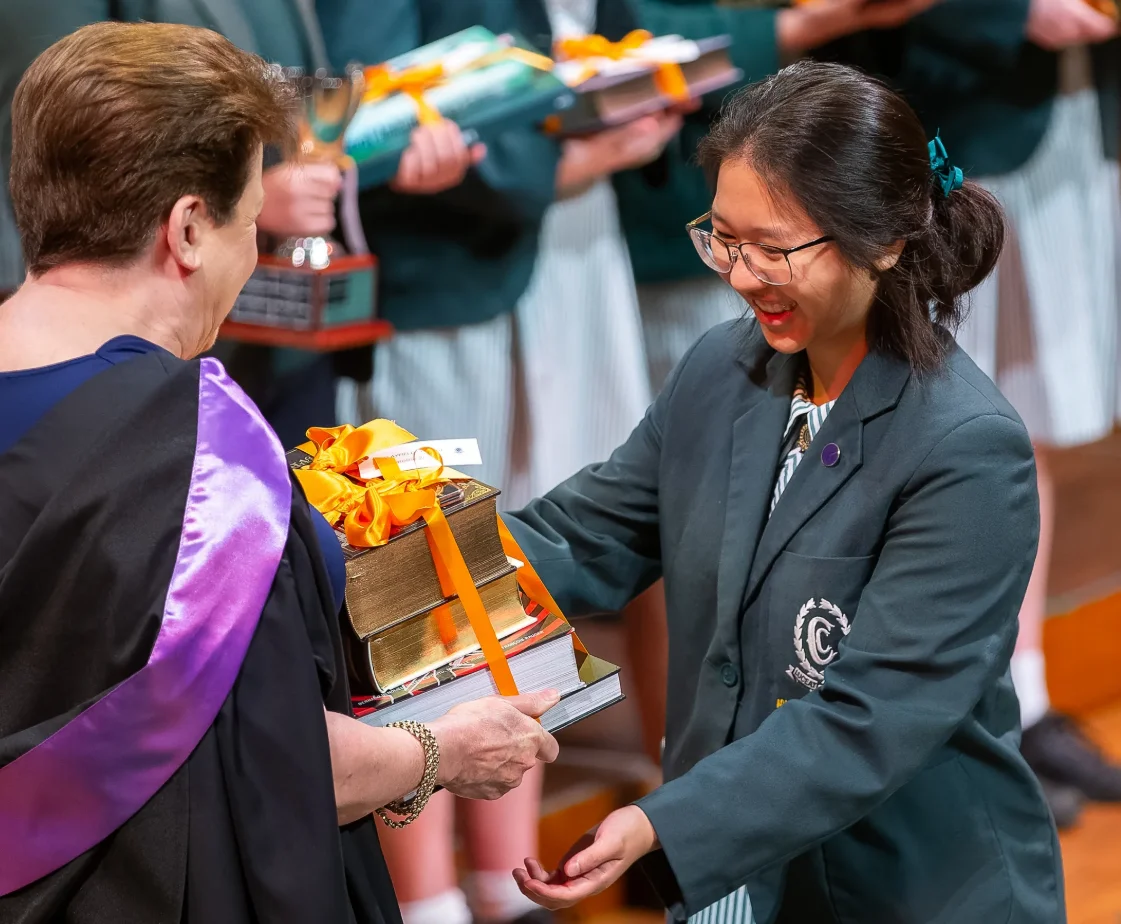
Clayfield College is celebrating outstanding results from its Class of 2025, with special recognition for top performers including Caroline Zhang, Charlotte Lay and Manidhi Chezhian, who achieved some of the highest ATARs in the cohort. Their achievements reflect dedication, resilience and the support of teachers, families and peers throughout their senior schooling journey.


The release of the 2025 ATAR results brought a wave of pride across the school community as students received their university entrance scores. Many students met or exceeded their personal goals, opening pathways to further study, vocational training or early career opportunities.

Clayfield College ATAR results
Photo Credit: Clayfield College

Outstanding Individual Achievements

Leading the cohort were standout results from the school’s top performers, whose hard work and focus placed them among the highest achievers. Alongside them, many other students achieved notable ATAR scores, with a number of graduates earning impressive results in a wide range of subjects.

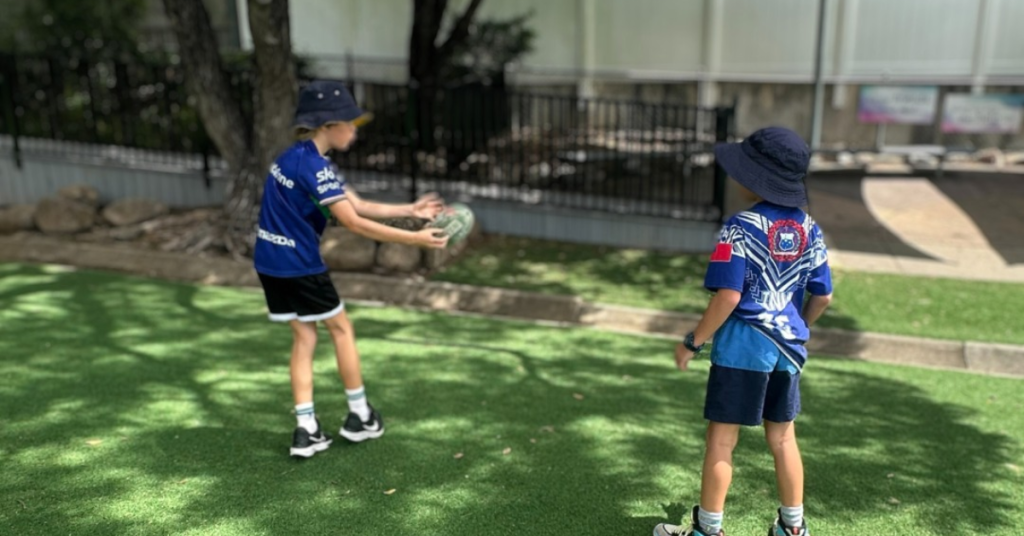
These results are a testament not just to academic ability but to perseverance through a demanding two-year senior curriculum. For many students, the journey involved balancing rigorous study with extracurricular activities, leadership roles and community involvement — experiences the school says help shape well-rounded young adults.

Student Achievement
Photo Credit: Clayfield College

A Community Effort

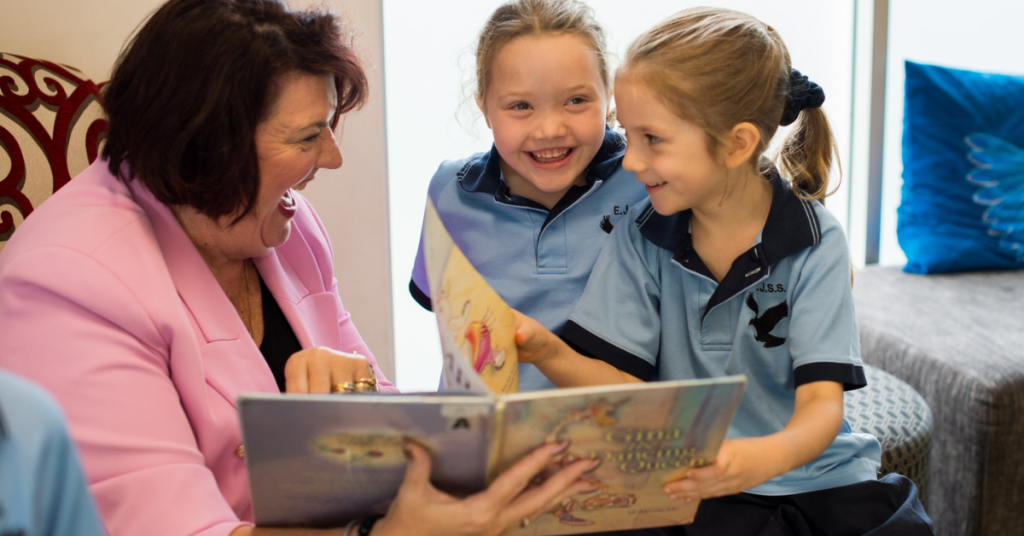
Teachers and staff at Clayfield College have acknowledged the collective effort that goes into preparing students for these milestones. From subject-specific mentoring to wellbeing support, the school’s approach aims to nurture confidence and capability as well as academic excellence.

Parents and carers were also recognised as vital partners in the education process, offering support, encouragement and practical help as students navigated their final year of school.

Brisbane School
Photo Credit: Clayfield College

Looking Ahead

With their ATARs in hand, graduates are now planning their next steps. Many have already accepted offers to study at universities both in Australia and overseas, while others are exploring alternative pathways that align with their passions and strengths.

The school community is expected to come together in the coming weeks for celebration events where students, staff and families can reflect on achievements and memories from senior schooling.

A Future Full of Possibility

For the Class of 2025, ATAR results mark the end of one chapter and the beginning of another. As students move on to further study, work or gap-year adventures, the school’s leadership has expressed confidence in their ability to contribute positively to the world beyond Clayfield College.


The pride and excitement across campus — from classrooms to corridors — shows how much these results mean not just to those who achieved them, but to the wider community that has watched these young people grow.

Published 20-Dec-2025

From Rail Line to Schoolyard: How Eagle Junction State School Took Shape in Clayfield

Did you know that Eagle Junction State School was established because a railway line transformed what was once semi-rural land into a growing suburb? Sitting in Clayfield, the school owes its very existence to the rapid expansion of Brisbane’s rail network and the families who followed it more than a century ago.


Opened in 1916, Eagle Junction State School was built to serve a community that was expanding quickly around the Eagle Junction railway. As transport links improved, Clayfield and its surrounding areas became increasingly attractive to working families, creating an urgent need for a local primary school within walking distance of home.

A School Born from Suburban Growth

Before the school was established, children in the area often had to travel considerable distances to attend classes. The arrival of the railway changed that, accelerating residential development and prompting education authorities to act.

Eagle Junction State School was constructed on elevated land, a practical choice in an era when drainage and flooding were serious considerations. Its location also reflected early planning principles that placed schools at the heart of emerging neighbourhoods, both geographically and socially.

Architecture of Its Time

The original school buildings were designed in the Department of Public Instruction’s timber school style, common across Queensland in the early 20th century. Raised classrooms, wide verandahs and generous windows were all deliberate features, intended to maximise airflow and natural light in the subtropical climate.

These design choices were not simply aesthetic. At a time when health concerns such as ventilation and sunlight were closely linked to education policy, schools like Eagle Junction were seen as places that supported both learning and wellbeing.

Growing Alongside Clayfield

As Clayfield continued to develop through the interwar years, the school expanded to accommodate rising enrolments. Additional buildings and facilities were added over time, reflecting both population growth and changing educational needs.

Despite these changes, the school retained its core character. The original buildings remained central to the campus, anchoring newer structures and preserving a visible link to the school’s earliest days.

A Recognised Heritage Place

Today, Eagle Junction State School is recognised as a Brisbane heritage place, valued for both its architectural significance and its role in the area’s social history. The heritage listing acknowledges the school’s importance as a long-standing educational institution that has served generations of local families.

The site is also noted for its association with the broader pattern of Brisbane’s suburban expansion, particularly the way transport infrastructure influenced where communities — and schools — were established.

More Than a School

For many families, Eagle Junction State School has been more than a place of education. It has been a gathering point for community events, celebrations and everyday connections, helping to shape a shared sense of identity within Clayfield.

Former students often speak of returning years later to find familiar buildings still standing, a reminder of how deeply the school is woven into local memory.


A Living Part of Local History

More than a century after it opened, Eagle Junction State School continues to educate children in the suburb that grew up around it. While classrooms and teaching methods have evolved, the school’s presence remains a constant in Clayfield’s changing streetscape.

From its beginnings beside a railway-driven suburb to its place today as a recognised heritage site, Eagle Junction State School stands as a reminder that schools are not just shaped by history — they help shape it.

Published Date 17-December-2025

One Car, One Track, One Messy Morning for Wooloowin Commuters

A single car in the wrong place was all it took to bring Brisbane’s rail network to a halt near Wooloowin, leaving commuters stuck on platforms, refreshing apps, and wondering how their morning had unravelled so quickly.


The disruption unfolded during the busy morning period on 9 December when a vehicle ended up on the train tracks near Wooloowin station in Brisbane’s inner north. With safety the immediate priority, train services through the area were stopped while emergency crews and rail staff responded.

What followed was a ripple effect felt well beyond Wooloowin.

Trains were delayed or cancelled across several lines, and what is usually a straightforward trip into the city turned into a drawn-out wait for many passengers. Some commuters reported delays stretching close to an hour as services were suspended and timetables thrown off.

For people already en route, trains were held at stations while crews assessed the situation. Platforms filled quickly as updates filtered through in fragments, and passengers were left juggling work start times, school drop-offs and appointments.

How the Incident Unfolded

Wooloowin
Photo Credit: Reddit

Emergency services were called after the car left the road and came to rest on the railway line near the station. While there was no collision with a train, the presence of a vehicle on active tracks meant services had to stop immediately.

Rail staff and emergency crews worked to secure the scene, assist the driver and organise the safe removal of the car. Before trains could resume, the track and signalling infrastructure also had to be inspected to ensure it was safe for services to restart.

The cause of how the car ended up on the tracks has not been fully detailed publicly, but authorities confirmed it was a single-vehicle incident. The driver was taken to hospital as a precaution, with no serious injuries reported.

Delays Spread Across the Network

The impact was felt most strongly across Brisbane’s inner-north rail lines, but knock-on delays extended further as trains were held out of sequence. Services approaching the affected area were stopped or turned back, compounding the disruption.

Replacement buses were brought in on some routes to help move passengers around the blockage, though many commuters still faced longer journeys than usual. For some, a trip that normally takes minutes stretched well beyond an hour.

Social media quickly filled with photos and videos of crowded platforms and stationary trains, capturing the shared frustration of passengers caught up in the delays. While there was plenty of irritation, many posts also acknowledged that safety had to come first.

Services Gradually Restored

Wooloowin
Photo Credit: Reddit

Once the car was removed and inspections completed, trains were slowly reintroduced through Wooloowin. Services resumed progressively, though residual delays continued as the network worked to recover from the disruption.

By early afternoon, most lines were operating again, albeit with some timetable adjustments as crews worked to reset services.


A Reminder of How Fragile the Commute Can Be

Incidents involving cars on train tracks are rare, but when they happen the consequences are immediate and widespread. With rail corridors running through busy suburbs like Wooloowin and Clayfield, even a single accident can disrupt thousands of journeys in a matter of minutes.

For commuters, the morning served as a reminder of how interconnected Brisbane’s transport system is — and how quickly an unexpected event can turn an ordinary trip into a stressful one.

The silver lining was that no trains were involved in the crash itself and no serious injuries were reported. Still, for the many passengers delayed that morning, it was a frustrating start to the day they won’t forget any time soon.

Published Date 30-December-2025

Christmas Safety Push Highlights Risks for E-Scooter Riders on Wooloowin’s Bikeways

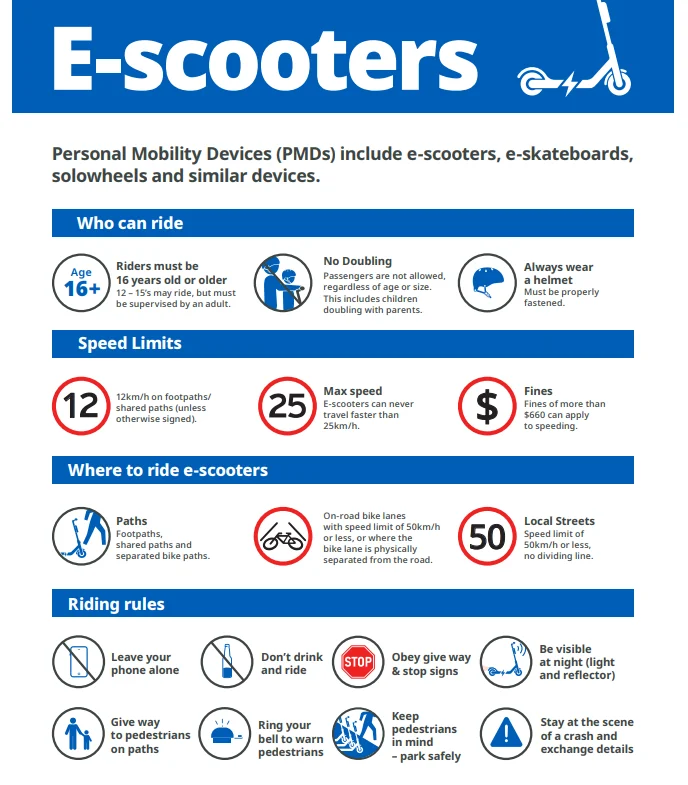
Wooloowin is coming under fresh attention as Queensland’s Christmas safety campaign warns families to be careful when buying or using e-scooters and e-bikes, drawing local interest to the suburb’s busy shared paths and growing rider activity.


Local Routes Connected to Everyday Riding

The warning follows a rise in statewide road trauma, with 302 deaths and 8,573 hospitalised casualties recorded between January and December 2024. These trends have increased local awareness around how young riders and commuters travel through Wooloowin, particularly along the Kedron Brook Bikeway and nearby entry points.

Photo Credit: Queensland Government

Kedron Brook Bikeway forms Wooloowin’s northern boundary and is a main route for cyclists and e-scooter riders. It links directly to Kalinga Park and Melrose Park, two green spaces on the suburb’s edge that attract families, young cyclists and pedestrians throughout the week. This creates regular shared-path activity where different users meet.

Photo Credit: Queensland Government

Residential streets in Wooloowin lead riders toward the North Brisbane Bikeway, a major commuter corridor into the city. These links contribute to steady daily movement through the suburb, with paths used for school trips, exercise and weekday travel.

Why the Christmas Warning Matters Locally

The state’s safety campaign highlights risks linked to illegal or unsafe devices, especially where children ride without supervision or use high-powered e-scooters not allowed on public paths. Injury data shows rising presentations involving young riders, including falls and collisions. 

Photo Credit: Queensland Government

These patterns match broader observations from safety agencies about when and how young people ride, particularly before and after school. Authorities stress the importance of helmets, safe speeds and close supervision for younger riders. They also encourage families to check device legality before purchasing e-scooters or e-bikes as Christmas gifts.

Statewide Road Trauma Shapes Local Discussion

Queensland’s 2024 road fatality and hospitalisation figures show higher levels of harm than the previous year, prompting stronger emphasis on safe behaviour on shared paths. Many serious injuries come from falls rather than crashes with vehicles, highlighting the need for predictable and cautious riding on busy community routes such as Wooloowin’s Kedron Brook corridor.

Photo Credit: Queensland Government

Officials note that improved awareness and consistent behaviour make a measurable difference to safety, especially in areas where riders and pedestrians share narrow path sections and busy crossing points.

Community Focus on Safer Shared Paths

Safety agencies recommend clear signage at pathway entrances and reminders about rules for younger riders. These suggestions support the state’s broader aim to reduce preventable injuries through education, predictable behaviour and awareness of mixed-use spaces.


As the Christmas period approaches, Wooloowin’s position on two significant bikeway routes makes safety awareness especially relevant for families, commuters and young riders who rely on these paths each day.

Published 08-December-2025

Kelvin Grove Man Charged After Alleged Vehicle Break-ins in Clayfield

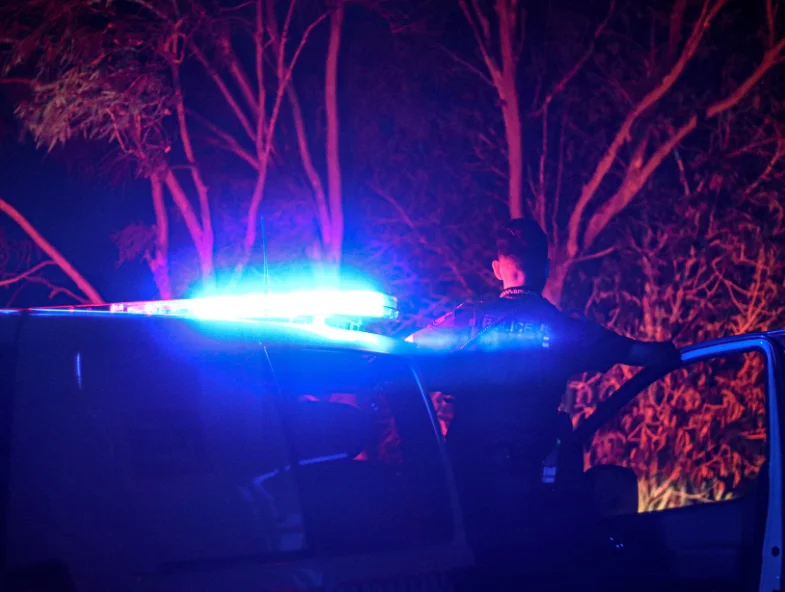
A Kelvin Grove man has been charged following alleged break-ins to multiple vehicles in Clayfield over the weekend.


Queensland Police responded to Kalinga Street on Saturday afternoon, 29 November, after receiving reports of a man attempting to enter parked vehicles in the area around 4:45pm.

Officers from Hendra Police Station, alongside a Dog Squad unit, attended the scene and located a 36-year-old man inside a silver Isuzu D-MAX utility. Police arrested the man at the scene.

The owner of the utility was contacted and confirmed that items had allegedly been stolen from the vehicle.

Additional witnesses came forward to advise police that two other vehicles parked nearby had also allegedly been entered by the same man.

The 36-year-old has been charged with one count of enter premises and commit indictable offence and two counts of enter premises with intent to commit indictable offence. He has been remanded in custody and is expected to appear in Brisbane Magistrates Court on 15 February 2026.

Police are encouraging anyone with information about the incident to contact Policelink via the online suspicious activity form at www.police.qld.gov.au/reporting or by calling 131 444.


Information can also be provided anonymously through Crime Stoppers by calling 1800 333 000 or online at www.crimestoppersqld.com.au. The reference number for this matter is QP2502168385.

Published 2-December-2025

Ignite Week Gives Clayfield College Students a Different Way to Learn

Students in Years 7 to 10 at Clayfield College stepped away from their regular timetables late last month as the school held its annual IGNITE Week, running from 21 to 27 November 2024.


The week-long program replaced standard classes with a range of hands-on activities, workshops and experiences designed to help students learn in practical, real-world settings. IGNITE Week is aimed at broadening students’ perspectives while strengthening skills that extend beyond the classroom.

Learning Beyond the Timetable

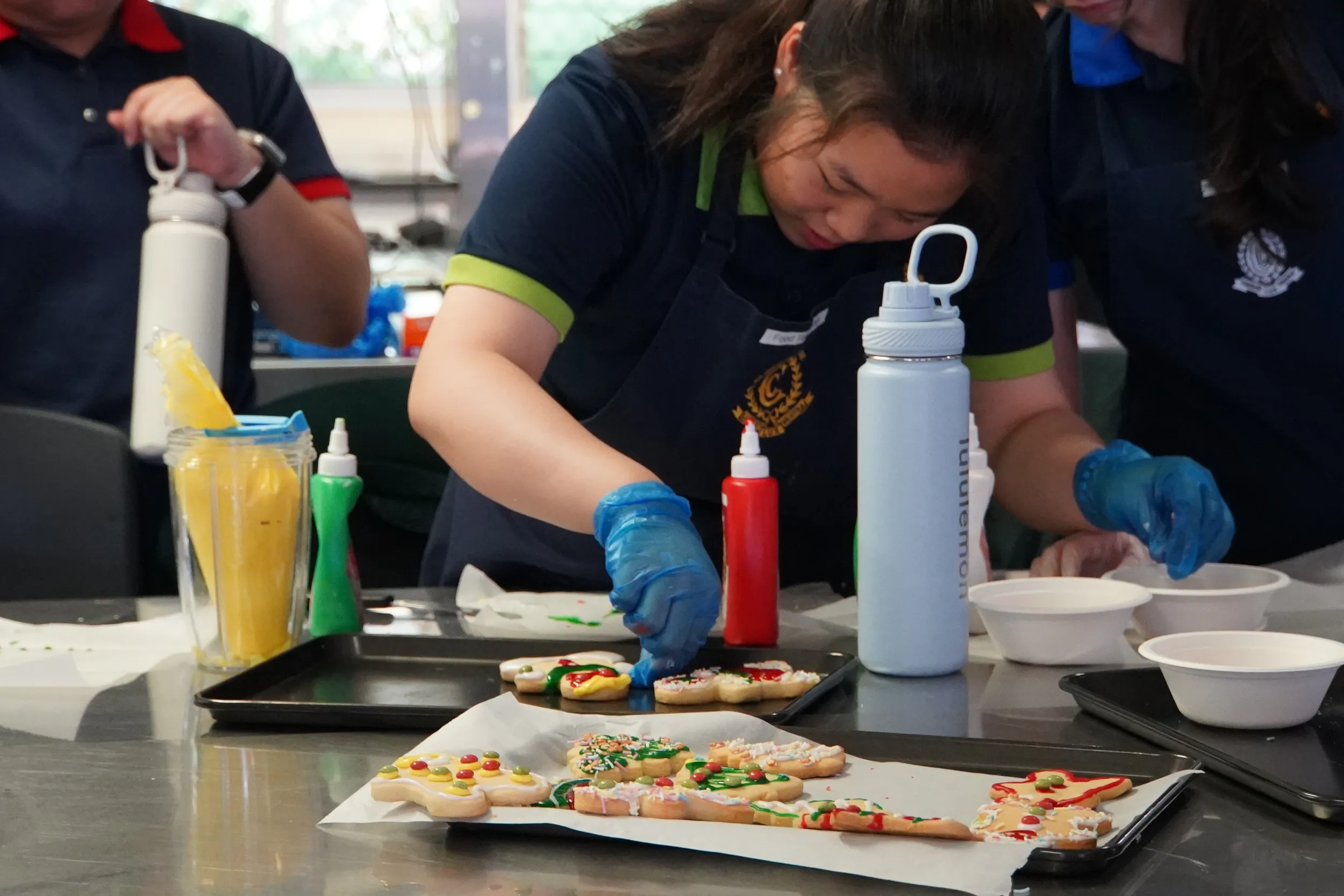
During IGNITE Week, students took part in programs tailored to their year levels, with a focus on experiential learning. Activities were designed to challenge students to think differently, work collaboratively and engage more actively in their learning.

Rather than traditional lessons, students were encouraged to learn through doing — applying problem-solving, communication and teamwork skills in new environments and situations.

School Programs
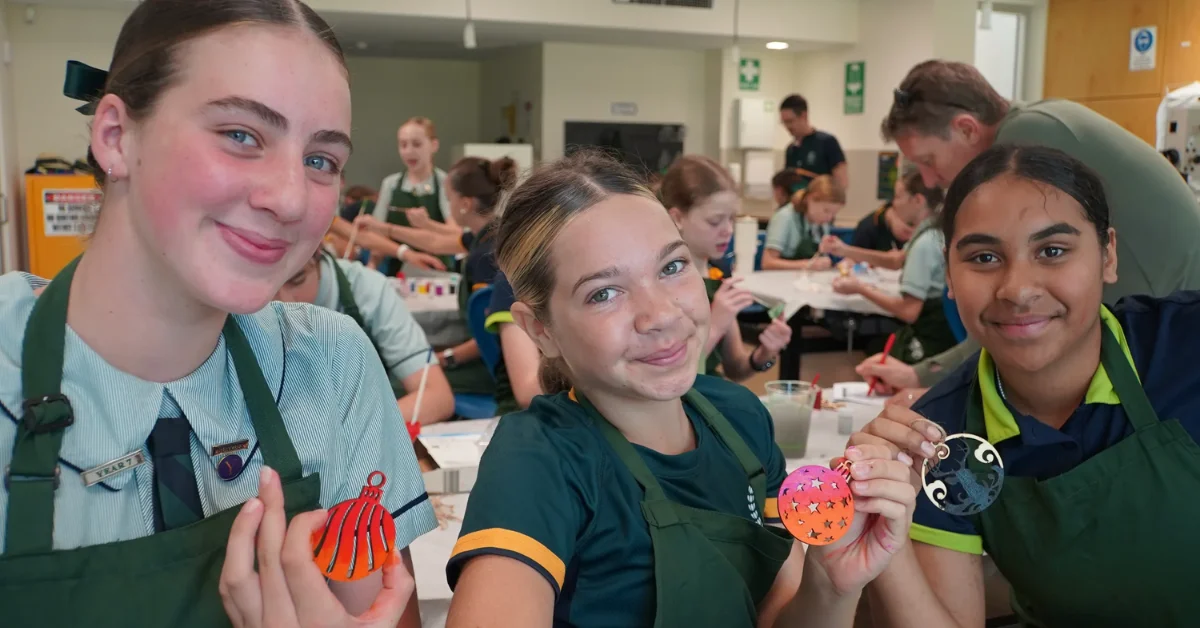
Photo Credit: Clayfield College

Building Confidence and Connection

A key aim of the program was to strengthen connections, both among students and between learning and life beyond school. Students worked alongside peers they may not normally interact with and were encouraged to reflect on different viewpoints and experiences.

The program also provided space for students to develop independence and resilience, particularly as they navigated unfamiliar tasks and responsibilities throughout the week.

Experiential Learning
Photo Credit: Clayfield College

Supporting Different Learning Styles

Teachers involved in IGNITE Week noted that the shift away from standard classroom structures allowed many students to engage in different ways. The variety of activities gave students opportunities to discover strengths that may not always be visible in traditional academic settings.

By reducing the emphasis on formal assessment, the program aimed to create a more inclusive learning environment that values curiosity, creativity and personal growth.

Clayfield College IGNITE Week
Photo Credit: Clayfield College

An Established Part of the School Calendar

IGNITE Week has become a regular feature of the Clayfield College calendar, with the program continuing to evolve each year. Feedback from students and staff helps shape future iterations, ensuring activities remain relevant and engaging.


As students returned to normal classes following the program, teachers said the focus was on carrying forward the skills and insights gained during the week into everyday learning.

Published 2-Dec-2025

140 Years Strong: How Woollam Constructions Grew from Clayfield to National Success

From a modest family business to a cornerstone of Australian construction, Woollam Constructions has been shaping skylines and communities for 140 years. 


Read: Developer Lodges Plans for Multi-Purpose Complex with Drive-Thru Restaurant in Clayfield


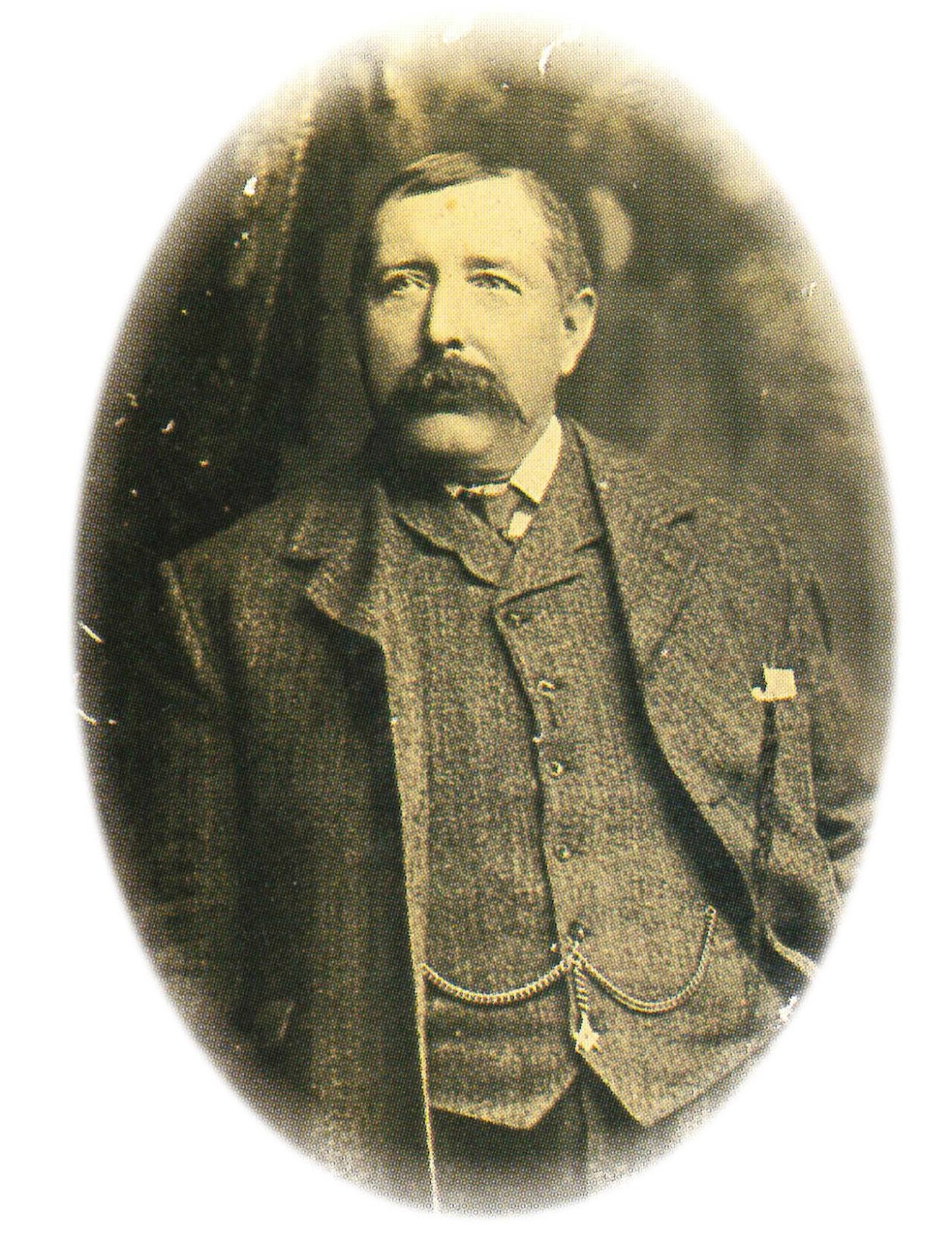
This storied company traces its origins back to 1884, when Scottish migrant Thomas Woollam founded a building and joinery business in Clayfield. Armed with skill, ambition, and a vision for his new homeland, Thomas set sail for Australia with his wife and three children to begin a legacy that has become synonymous with quality and innovation.

Thomas Woollam (Photo credit: Woollam/Facebook)

Starting out of his family home with an attached workshop, Thomas quickly made his mark. Woollam’s regional roots were firmly established with projects like the iconic Breakfast Creek Hotel in Brisbane and the Bank of New South Wales in Rockhampton.

Lady Norman Wing (Photo credit: Woollam/Facebook)

In 1895, Thomas built the Lady Norman Wing to address overcrowding at the Hospital for Sick Children. The structure was completed in 1896 and remains standing at Herston’s General Hospital Precinct, being the only building from the pre-1920s era still intact.

In 1908, Thomas’s son, Arthur Woollam, returned from the Boer War and stepped into his father’s shoes, steering the business under the banner of “A Woollam.” Arthur expanded the company’s focus to housing and light commercial projects, including building the first dwelling on the Paling Estate in Wilston. 

His leadership propelled the business to new heights, with landmark contracts such as the original Logan and Albert Hotel in Beaudesert in 1922 and Jackman’s Butcher Shop on Sandgate Road soon after.

From Historical Foundations to Modern Icons

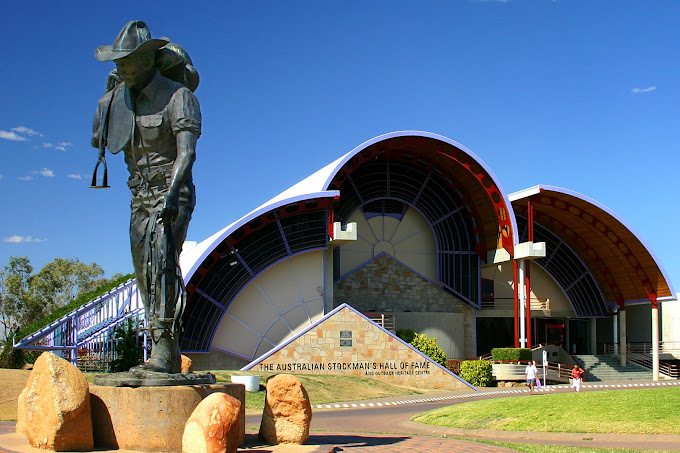
Photo credit: Australian Stockman’s Hall of Fame & Outback Heritage Centre/Google Maps

Woollam Constructions has played a role in creating some of Australia’s most recognizable landmarks. Among its proudest achievements is the construction of the Australian Stockman’s Hall of Fame in 1987—a testament to the company’s commitment to celebrating the nation’s heritage.

In 2016, the company completed Hummingbird House, Queensland’s only children’s hospice. This project exemplifies Woollam’s dedication to meaningful, community-focused construction. The same year, the company launched Woollam Services, a separate maintenance business aimed at enhancing the longevity and sustainability of their projects.

A Legacy Built on Relationships

Over generations, Woollam Constructions has fostered enduring relationships with clients, many of which span decades. From private homes to major commercial ventures, the company’s projects reflect a dedication to quality, innovation, and sustainability. Today, Woollam continues to thrive in urban centers and regional areas alike, balancing tradition with cutting-edge construction techniques.

Last year, it celebrated its 140th anniversary. Woollam Constructions remains a proud custodian of its legacy. What began as a family workshop in Clayfield has grown into a company that helps shape the future of Australia, one project at a time.


Read: Clayfield Queenslander Sold for $2.3 Million After 94 Years


For Woollam, the journey isn’t just about the structures they build—it’s about the people and communities they serve, ensuring that their work stands the test of time.

Updated 30-November-2025

Teen Hospitalised After Knife Attack at Gatecrashed Oriel Road Party

A 16-year-old boy required surgery after being slashed with a knife during a house party on Oriel Road that spiralled out of control when gatecrashers arrived on Friday night.


What began as a private end-of-year celebration quickly descended into chaos after the event was advertised on social media, attracting around 80 to 100 uninvited guests to the Clayfield property.

The hosts attempted to shut down the party, pushing hundreds of young people onto the street. During the commotion, the teenage boy sustained a 20-centimetre wound to his lower back.

Chief Inspector Karl Hahne described the injury as horrendous, though not life-threatening. The victim underwent surgery on Saturday morning.

Police deployed a specialist blood detection dog on Saturday to search for the weapon, which had not been recovered at the scene. Chief Inspector Hahne said investigators were confident of locating it.

Officers were already aware of the party and responded to reports of teenagers gathering on the street. The incident occurred on the final official day of schoolies celebrations.

Local resident Jarrah Lloyd witnessed the aftermath, describing teenagers blocking the road and forcing cars to turn around. She said the gathering appeared relatively tame aside from alcohol consumption and the crowded streets.

“There was about 50 kids all just in the middle of the road,” Ms Lloyd said. She noted that most teenagers left quietly when police arrived, including several unmarked vehicles.

Another neighbour, Dennis Comino, observed groups of young people clustered across the street, with officers working to disperse the crowd.

One resident reported the street was closed to the public around 11pm. The scene was littered with beer bottles, cans, mixer drinks, vapes and helium canisters.

Police are continuing their investigation into what triggered the altercation and are appealing for anyone with information to come forward.


The incident follows another serious crime in Clayfield earlier this year, when Universal store founder Greg Josephson was allegedly murdered by a teenager at his home in the suburb.

Published 29-November-2025

The Equine Practice Company Named Finalist In 2025 Lord Mayor’s Business Awards

Clayfield-based veterinary education business The Equine Practice Company has celebrated a major milestone, earning two prestigious titles at the 2025 Premier of Queensland’s Export Awards, just one night after being recognised as a finalist in the 2025 Brisbane Lord Mayor’s Business Awards.


Recognition for Clayfield Business

The Equine Practice Company has grown an international reputation as a trusted provider of advanced veterinary education and services for horses. Its inclusion as a finalist highlights the business’s impact across both the local and international equine sectors.

Photo Credit: Supplied

Contribution to the Region

The company said it was humbled and thrilled to be recognised, noting that the achievement reflects the dedication of its team and the trust placed in them by veterinarians and horse owners worldwide.

Operating from Clayfield Brisbane, The Equine Practice Company delivers specialist online programs and live training for veterinarians. Beyond education, the company supports Queensland’s equestrian community and contributes to regional employment and professional development opportunities.

Award-Winning Success

While the team didn’t take home an award at the Lord Mayor’s event in 2025, the very next night, The Equine Practice Company won two major honours at the 2025 Premier of Queensland’s Export Awards – taking out:

🏆 e-Commerce Award Winner
🏆 Women in International Business Award Winner

Photo Credit: Supplied

These awards, presented by Trade and Investment Queensland, recognise Queensland businesses achieving outstanding success in global markets.

This follows an impressive record of past achievements – including Gold in Large Animal at The VETTYS Awards 2024, a Stevie Awards nomination for Best Female Entrepreneur in Asia-Pacific, and multiple AusMumpreneur and Australian Achiever awards for customer excellence.

Looking Ahead

The Lord Mayor’s Business Awards remain one of Brisbane’s most respected recognitions of innovation and growth. For The Equine Practice Company, being shortlisted – and then winning back-to-back state honours the following evening – marks another proud milestone in its continued rise on the international stage.


Published 30-September-2025
Updated 28-November-2025

A Closer Look at Glengariff in Hendra

The iconic Glengariff in Hendra is one of Brisbane’s remaining large villa residences constructed during the late nineteenth century.

The massive historic home at 5 Derby Street, Hendra is definitely a head-turner with its beautiful architecture and landscaping.

From being the home of a bank manager to the home of a renowned Fortitude Valley businessman and later becoming an episcopal residence, Glengariff certainly has a lot of stories to tell if only its walls could speak.

History of the Glengariff in Hendra

View of the home and grounds of Brisbane residence, Glengariff, in 1923. Photo credit: State Library of Queensland and John Oxley Library; Negative number: 145445

Architect HGO Thomas designed Hendra’s majestic home which was built in 1888-1889 for bank manager Edward Jones. Jones was the first bank manager of the Commercial Bank of Australia in Queensland.

The first owner called the home Dura. It stands on nearly 5 acres of land acquired by Jones in 1886 from the Queensland Turf Club.

Although the home is ideally located near the state’s premier racecourse and to the Sandgate / City Railway line, Edward Jones did not reside at Dura for long. Records show that Jones no longer live there in 1892 and another manager of the Queensland National Bank, DG Stuart, rented the home until  TC Beirne and his family acquired it in 1898.


The Beirne Family

Family portrait at the wedding of Henry Alexander Cecil Douglas to Catherine Cecilia Beirne, 1914 Photo credit: nla.gov.au/nla.obj-151169578

After the acquisition of the property, the Beirnes decided to call it “Glengariff”. TC Beirne and his wife Ann Kavanagh had ten children, five daughters surviving infancy.

TC Beirne was publicly known for his Fortitude Valley store whilst Glengariff played a big role in his private life. According to the Australian Dictionary of Biography, his pastimes mainly involves spending time with his family in his home, Glengariff with its beautiful grounds, tennis, and croquet courts.

In 1907, TC Beirne worked with architect RS (Robin) Dods to carry out additions to Glengariff. Dods’ work at the house included the addition of double-storey verandah rooms to the western side of the house and the building in of cupboards in the dining room.

The Beirne family lived at Glengariff until TC Beirne died in 1949. Following their father’s passing, the five Beirne daughters gave Glengariff to the Catholic church as a present.

Glengariff Today

Glengariff (2009); Photo credit: Heritage Branch staff

After serving as an episcopal residence for several years, the church decided to sell the property in 1985 to its present owners.

Since then, the owner of Glengariff made several changes in the house and sold portions of the land in 1993.

Glengariff was added to the Queensland Heritage Register on 21 August 1992.

Apparently, one of remaining part of the original estate is the TC Beirne Park. Established in 1949, the park is located at the rear of the house.