



Clayfield Childcare Tour Month Opens At Guardian Centre

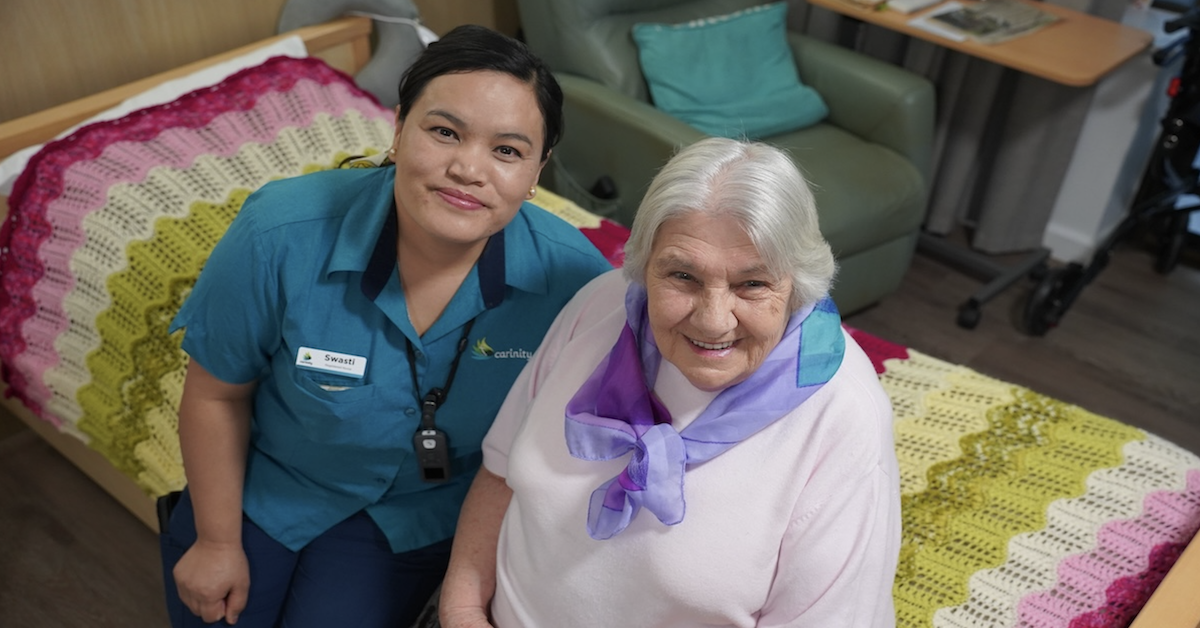
Families in Clayfield can book a visit to a local early learning centre as Guardian Childcare and Education rolls out its 2026 Tour Month across its network.


Tour Month Reaches Clayfield

The Clayfield centre, located at 791 Sandgate Road, is accepting tour bookings while the national campaign is underway. The site operates Monday to Friday from 6:30 a.m. to 6:30 p.m. and has indicated limited spaces are available.

Tour Month highlights Guardian’s To BE Me learning framework, introduced in 2025. The program is structured around each child’s age, stage and interests, with milestones recorded as part of their early development.

Guardian states that tours also provide families with an overview of centre environments, safety measures and food programs across its network.

Tour Month 2026
Photo Credit: Guardian Childcare & Education

Learning Programs At Clayfield Childcare

At the Clayfield centre, programs are offered from nursery through to a Flying Start to School kindergarten pathway. The centre outlines a daily rhythm that includes indoor and outdoor learning experiences, meal times, rest opportunities and educator handovers at the end of the day.

The outdoor environment includes native gardens, a water pump, a creek bed and natural play structures. Indoor spaces are set up with age-appropriate learning resources designed to support early development.

Clayfield childcare tour
Photo Credit: Guardian Childcare & Education

Safety And Supervision Measures

Guardian outlines a range of child safety measures across its centres. These include Working With Children Checks for team members, reference checks, annual suitability declarations and mandatory child safety training.

Operational practices include visibility requirements in care areas, supervision policies requiring staff to be within sight or sound of one another, daily risk assessments and restrictions on personal phones or devices in learning spaces. Visitor access controls require sign-in procedures and photo identification before entry.

Guardian Childcare & Education
Photo Credit: Guardian Childcare & Education

Fees, Subsidies And Booking Process

Daily rates at the Clayfield centre are described as all-inclusive, with no additional charges for incursions, excursions or learning programs. Estimated out-of-pocket costs vary depending on Child Care Subsidy eligibility.

Queensland Government funding is available to support up to 15 hours of free kindergarten per week for eligible children who turn four by 30 June in the year before primary school. Families can seek further details about eligibility and fee reductions when touring the centre.

After booking a Clayfield childcare tour, families receive confirmation by email and SMS, followed by reminder messages including directions to the centre. Changes to bookings can be made by contacting 13 82 30.


Guardian operates around 180 centres nationally, including in Brisbane, Sydney, Melbourne, Adelaide and Canberra, with tours currently open across participating locations.

Published 18-Feb-2026

Clayfield Safety Concerns Persist as North Brisbane Bikeway Stage 5 Changes Direction

Clayfield sits at the centre of a safety concern that riders say stretches across Brisbane’s northside, after a key link in the North Brisbane Bikeway ends near Eagle Junction and pushes people on bikes into traffic and parked cars.


A Clayfield Petition With Citywide Reach

An online petition calling for safer cycling on Dickson Street drew 636 signatures before it closed on 26 March 2025. The petition lists its principal petitioner as a Wooloowin resident and focuses on the Clayfield–Eagle Junction area, where the protected bikeway is set to stop at Price Street.

It argues that many riders will still use Dickson Street to reach Eagle Junction station and other connections, but will be forced to ride between parked cars and faster-moving traffic. The petition asked Council to lower the speed limit from 60 km/h to 40 km/h and remove on-street parking along about 500 metres of Dickson Street.

They said the change would reduce the risk of collisions and improve safety for people traveling to Eagle Junction and nearby workplaces, including jobs linked to Brisbane Airport.

Why the Issue Reaches Beyond Clayfield

Although the petition focuses on a short section of road, the route it discusses forms part of a wider network used by riders travelling between suburbs. The petition describes how the North Brisbane Bikeway would be routed away from Dickson Street via Price Street, Kent Road and Brooks Street before rejoining the Kedron Brook corridor. 

For people travelling through the area rather than living in Clayfield, the concern is that the most direct path to Eagle Junction can still run along Dickson Street, where riders say conditions feel less protected once the separated bikeway ends.

What the Working Group Supported

In a Facebook post dated 8 February 2026, the cycling advocacy group Space4cyclingbne said it had seen a 2024 Community Working Group report reviewing the alignment and design of what was intended to be Stage 5 of the North Brisbane Bikeway. The group stated that the working group supported building the missing connection by continuing north along Dickson Street after Price Street, through Eagle Junction, and then connecting to the Kedron Brook Bikeway via Jackson Street, with minor design changes suggested.

Photo Credit: Space4cyclingbne/Facebook

Brisbane City Council’s North Brisbane Bikeway Stage 5 project page confirms a Community Working Group met in early 2024 and later notes that broader community concerns were raised about the Price Street to Kedron Brook alignment after the working group ended. Council states it has discontinued work on that alignment and will return to a previous Kent Road-based concept that uses surrounding streets to connect to the Kedron Brook Bikeway.

What Residents Say They’re Still Waiting For

Space4cyclingbne said campaigners were disappointed construction did not proceed in 2025 and claimed some petition signatories had not seen a clear update nearly a year later. Council’s project page states responses to two petitions were endorsed by Council committees on 20 January 2025, while the petition page itself does not display a detailed public reply. 

For locals and riders passing through the area, the practical issue remains the same: the protected bikeway currently stops at Price Street, and the route toward Eagle Junction is left to on-road conditions.

Photo Credit: Space4cyclingbne/Facebook

Community Interest Hasn’t Faded

The Brisbane North Bicycle User Group highlighted the petition campaign in a 2025 post, encouraging residents to support calls for safer conditions in the Dickson Street corridor, which it framed as a current local concern for riders. The group’s update is available at Brisbane North BUG. 


With Council’s attention now on a different alignment, advocates have indicated a Kent Road connection could still add value, but they continue to argue that safety on Dickson Street matters for people trying to reach Eagle Junction and connect into the wider network.

Published 12-Feb-2026

Shark Sightings Prompt Kedron Brook Water Warning

Reports of shark sightings along Kedron Brook near Kalinga Park have prompted a community advisory shared online, cautioning people and pets to stay out of the water as a precaution.


Shark Sightings Along Kedron Brook

Multiple community reports over recent days have described sharks being seen at different points along Kedron Brook, with the most recent sightings noted near Kalinga Park. The sightings were described as occurring in shallow sections of the waterway that are regularly accessed by walkers and dog owners.

Early warnings focused on dogs entering the creek, reflecting concerns about pets swimming in the water. The advisory was later broadened to include people, following reports that some individuals were also entering the creek.

Safety Warning Issued

A notice shared online accompanying the reports advised avoiding swimming in Kedron Brook until further notice. The warning was framed as a safety measure rather than an emergency response, encouraging caution while sightings continue to be reported.

No timeframe has been given for when the advisory may be lifted. The guidance remains in place for both humans and animals, particularly in areas where the creek is commonly used for recreation.

Kedron Brook shark sighting
Photo Credit: CrJuliaDixon/Facebook

Species Identification Remains Unclear

The exact species involved has not been confirmed. Earlier descriptions suggested the shark may resemble a blacktip reef shark, while others believed it could be a juvenile bull shark. These assessments were based on visual observations only. No expert identification has been published. Bull sharks are known to move between ocean and river systems and can tolerate fresh water.

Reports have acknowledged the uncertainty and stressed that the presence of any shark in a shallow, urban waterway warrants caution regardless of species.

Local Use Of The Creek

Kedron Brook flows through several northern Brisbane suburbs and is widely used as a shared recreational corridor, including off-leash dog walking areas near Wooloowin and Wavell Heights. Dogs are commonly allowed to enter the water, particularly during warmer weather.

Public information about nearby dog-walking areas already includes general cautions about water quality during stagnant conditions due to potential health risks for pets. The recent shark sightings have added an additional safety consideration for creek users.

What Is Known So Far


While sightings continue to be reported, there has been no confirmation of how many sharks may be present or how long they may remain in the area. Until further updates are available, the advice remains to avoid swimming and keep pets out of the water along affected sections of Kedron Brook.

Published 4-Feb-2026

Clayfield Rents Climb as Brisbane Squeeze Deepens

Clayfield renters are paying close to $920 a week for the typical house, a level that is reshaping what many locals can afford and how quickly they need to act when a listing appears.


After the December 2025 quarter, the latest Domain Rent Report showed Brisbane’s median house rent rose again to $670 a week and unit rents to $650, with the city recording the strongest quarterly rise in house rents of any capital. The same report and related coverage point to extremely tight rental conditions, with vacancy rates below 1% across Brisbane contributing to ongoing pressure.

What the Data Shows in Clayfield

The suburb-level snapshot for Clayfield indicates median asking rents for houses are about $920 a week, with unit rents also higher over the past year. That puts Clayfield well above the Brisbane median and reflects how inner-north suburbs can sit at the sharp end of a citywide shortage. 

For broader context, Domain’s Rent Report outlines the overall lift in Brisbane rents and explains that limited supply remains the central driver of price rises, even as growth is expected to slow when renters hit affordability limits.

Why the Inner North Is Under Pressure

Analysts tracking Brisbane’s rental market have linked the latest rise to a shortage of available homes and continued demand, rather than a single local factor. The REIQ’s market reporting has also highlighted how low vacancy rates intensify competition, leaving renters with fewer choices and less bargaining power.

In established suburbs like Clayfield, where new rental supply can be limited, that pressure can show up quickly in higher weekly rents and faster decision-making by applicants.

What It Means for the Clayfield Community

For residents, the shift is most visible in the shrinking pool of homes within lower weekly budgets. Industry commentary reported alongside the latest Domain findings suggests cheaper rentals attract heavier enquiry across Brisbane, and that pattern can be felt in inner-north suburbs where demand is steady. 

The same research also suggests rent rises may continue, but with a slower pace if households reach their financial limit, which could place more focus on value, condition and liveability when renters choose where to apply.

Where This Could Head Next

Economists expect rents to keep rising in the near term, but they also point to an affordability ceiling that can slow growth as renters push back. Even with that slowing effect, the key issue remains supply. 

With vacancy rates still very low, Clayfield renters are likely to face strong competition through 2026, especially for well-located, well-presented homes.


Published 28-Jan-2026

Armed Robbery Attempt At Clayfield Store Leaves Owner Injured

A business owner in Clayfield has been injured after confronting two intruders who attempted to force entry into his Sandgate Road shop.


Violent Encounter At Clayfield Storefront

The incident occurred at Prestige Coins and Collectables on Sandgate Road, Clayfield, when two men wearing motorcycle helmets approached the front entrance while the owner was inside the store with his dogs.

Believing the pair were delivery drivers, the owner opened the door and was immediately struck on the head with a weapon. A physical struggle followed at the entrance as the owner attempted to prevent the men from entering the premises.

Brisbane inner north crime
Photo Credit: QPS/Facebook

CCTV Shows Attempted Forced Entry

CCTV footage captured the confrontation, showing the owner managing to shut the door on the intruders. After being forced outside, the men used hammers to repeatedly strike the door and glass in an effort to gain access to the store.

As the damage continued, the owner moved to the rear of the shop. During this time, two small dogs inside the premises were seen retreating away from the front entrance.

Machete Used To Drive Off Intruders

The owner returned to the front of the store carrying a large machete kept on site. He used it to deter the intruders as they continued attempting to break through the damaged doorway.

Drops of blood were later visible near the entrance, suggesting the offenders may have been injured before fleeing the scene. The two men left without entering the store.

Clayfield armed robbery attempt
Photo Credit: QPS/Facebook

Injuries And Police Appeal

The 68-year-old owner, who is a recent cancer survivor, sustained a minor head injury during the incident. One report indicated he was taken to hospital, while another stated he received treatment at the shop.

Queensland Police Service have appealed for anyone who witnessed the incident or has CCTV or dashcam footage from the area to come forward. No arrests or charges have been announced.

Public Attention Following Online Footage

Footage of the attempted armed robbery in Clayfield was later shared online, drawing widespread public attention. Responses focused on concern for the owner’s wellbeing and the safety of his dogs.

Outlook


Investigations into the attempted armed robbery in Clayfield remain ongoing, with police continuing to gather information to identify those responsible.

Published 9-Jan-2026

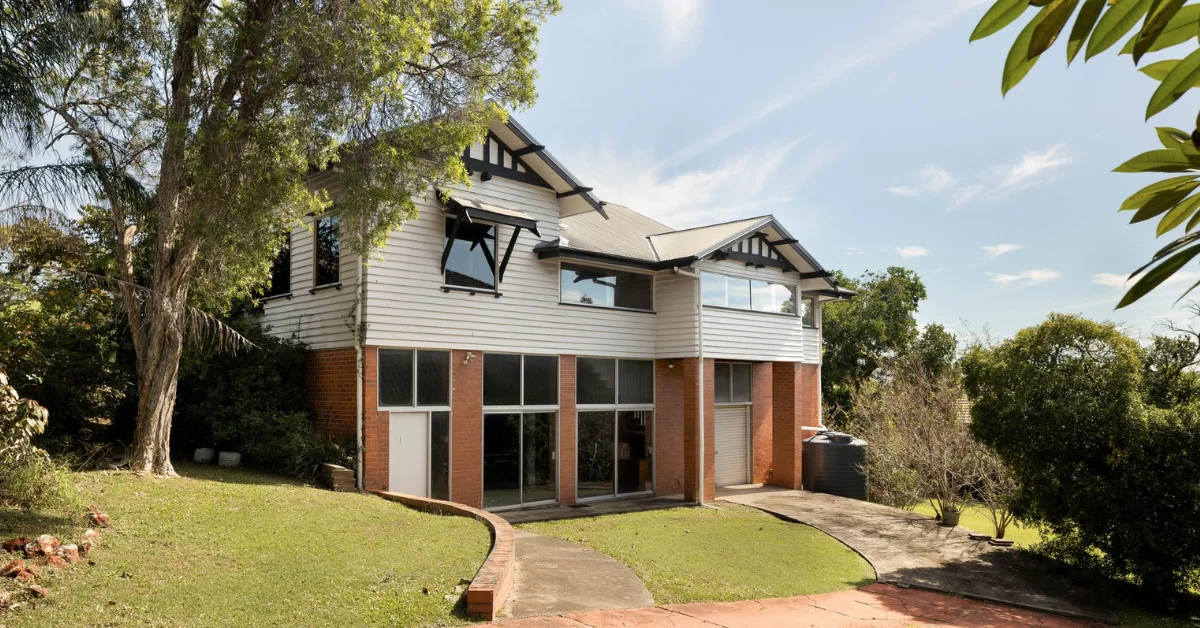
Two Robin Dods Homes That Shaped Clayfield

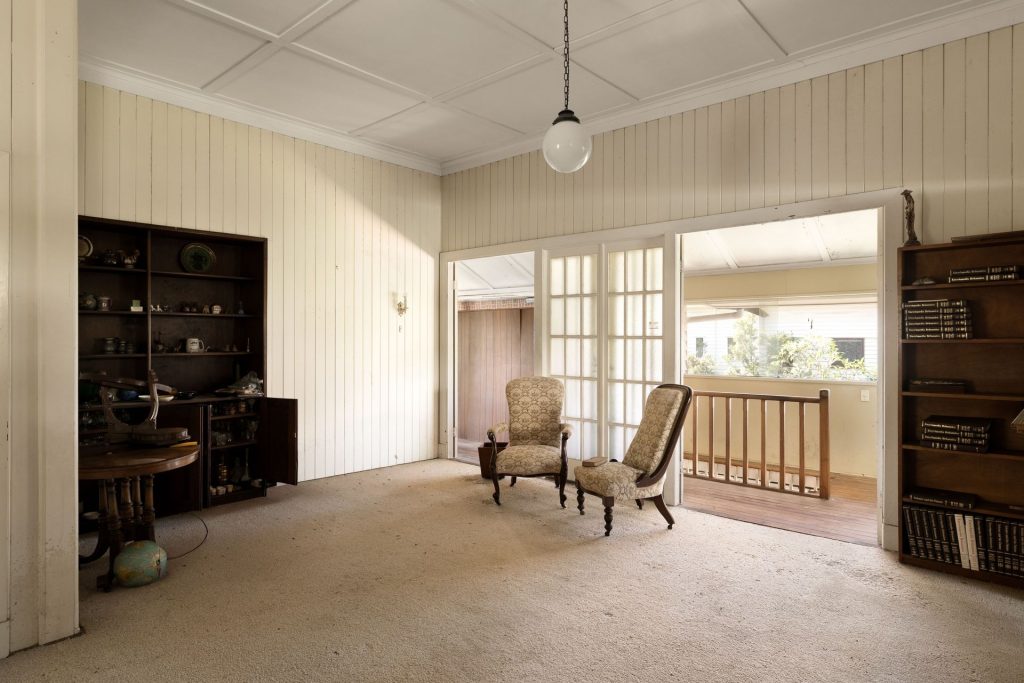
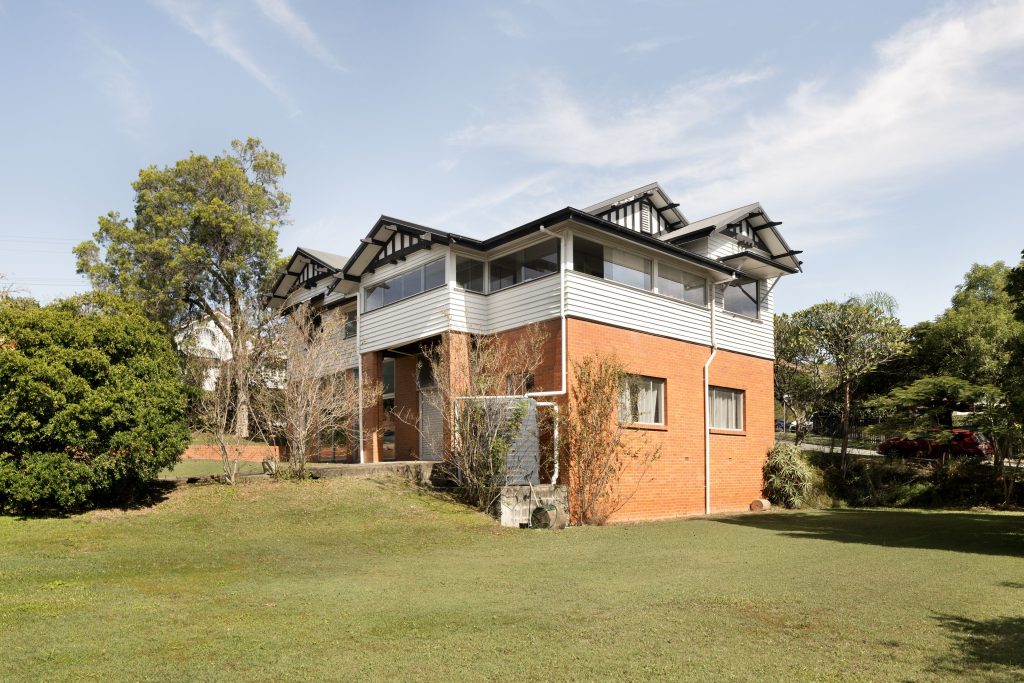
On London Road, two Clayfield homes quietly share a pedigree that places them among Brisbane’s most important domestic buildings. Lyndhurst and Turrawan were both designed by Robin Dods, the architect whose work reshaped how Queensland houses looked, felt and functioned at the turn of the 20th century.


Born in 1868, Dods trained in Britain before returning to Brisbane in the 1890s. Through his partnership Hall & Dods, he introduced Arts and Crafts principles to local architecture, then adapted them for subtropical living. His houses favoured generous verandahs, careful planning, strong roof forms and an emphasis on craftsmanship — ideas that influenced Queensland residential design for decades.

Clayfield is one of the suburbs where that legacy can still be read clearly, particularly in these two neighbouring heritage-listed houses.

Lyndhurst: An Early Hall & Dods Landmark

Photo Credit: Wikipedia

Completed in 1896, Lyndhurst  is recognised as one of the earliest substantial houses designed by the Hall & Dods partnership. It was commissioned by businessman John Reid soon after the practice was formed, making it a key early work in Dods’ Queensland career.

Architecturally, Lyndhurst reflects Dods’ move away from purely decorative Victorian styles toward a more disciplined and modern domestic design. The house features a steeply pitched roof clad in terracotta Marseilles tiles — an early use of this material in Queensland — along with deep verandahs and a carefully proportioned form that responds to climate as much as aesthetics.

Unusually for Brisbane at the time, Dods also designed the original garden layout, setting the house well back from the road and creating a formal approach that reinforced its presence. This integration of house and setting was part of Dods’ broader philosophy: a home was not just a building, but an environment shaped for daily life.

Heritage assessments identify Lyndhurst as important not only for its architectural qualities, but because it demonstrates Dods’ early experimentation with blending British design thinking and traditional Queensland building forms — a synthesis that would become highly influential.

Turrawan: A Home Designed for Medicine and Family Life

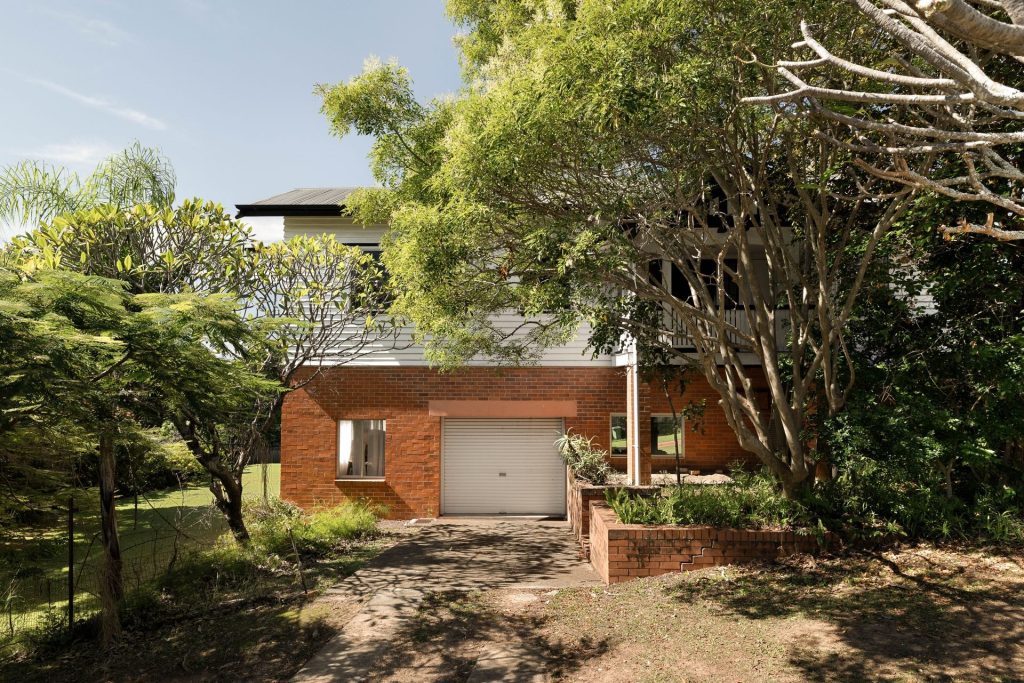
A decade later, Dods returned to London Road to design Turrawan, completed in 1906 for Dr Arthur Charles Frederick Halford. Unlike Lyndhurst, Turrawan was purpose-designed as both a family residence and a doctor’s surgery, offering a rare insight into how professional and domestic life intersected in early 20th-century Brisbane.

The house was carefully planned with separate entrances and spaces for patients and private family use, reflecting contemporary medical practice, where doctors commonly worked from home. This dual-purpose design is now considered uncommon, and is a key reason for Turrawan’s heritage significance.

Originally oriented differently on its site, the house was later repositioned to face London Road. Over time, it also served as a private hospital, including maternity use, highlighting the role such houses played in community healthcare before the rise of large institutional hospitals.


Architecturally, Turrawan displays many of Dods’ hallmarks: strong roof forms, Arts and Crafts influence, and a solid yet restrained expression that balances dignity with comfort. Heritage listings also note its importance as one of the few surviving large domestic works by Dods that clearly demonstrate his approach to residential planning.

Together, Lyndhurst and Turrawan tell a broader Clayfield story. They reflect a period when the suburb was emerging as a desirable residential area and when Brisbane architecture was shifting toward something more confident, modern and locally grounded. More than a century on, these houses remain tangible reminders of how one architect’s ideas helped shape not just buildings, but everyday life in Clayfield.

Published Date 16-December-2025

Clayfield College Celebrates Top ATAR Achievers in Class of 2025

Clayfield College is celebrating outstanding results from its Class of 2025, with special recognition for top performers including Caroline Zhang, Charlotte Lay and Manidhi Chezhian, who achieved some of the highest ATARs in the cohort. Their achievements reflect dedication, resilience and the support of teachers, families and peers throughout their senior schooling journey.


The release of the 2025 ATAR results brought a wave of pride across the school community as students received their university entrance scores. Many students met or exceeded their personal goals, opening pathways to further study, vocational training or early career opportunities.

Clayfield College ATAR results
Photo Credit: Clayfield College

Outstanding Individual Achievements

Leading the cohort were standout results from the school’s top performers, whose hard work and focus placed them among the highest achievers. Alongside them, many other students achieved notable ATAR scores, with a number of graduates earning impressive results in a wide range of subjects.

These results are a testament not just to academic ability but to perseverance through a demanding two-year senior curriculum. For many students, the journey involved balancing rigorous study with extracurricular activities, leadership roles and community involvement — experiences the school says help shape well-rounded young adults.

Student Achievement
Photo Credit: Clayfield College

A Community Effort

Teachers and staff at Clayfield College have acknowledged the collective effort that goes into preparing students for these milestones. From subject-specific mentoring to wellbeing support, the school’s approach aims to nurture confidence and capability as well as academic excellence.

Parents and carers were also recognised as vital partners in the education process, offering support, encouragement and practical help as students navigated their final year of school.

Brisbane School
Photo Credit: Clayfield College

Looking Ahead

With their ATARs in hand, graduates are now planning their next steps. Many have already accepted offers to study at universities both in Australia and overseas, while others are exploring alternative pathways that align with their passions and strengths.

The school community is expected to come together in the coming weeks for celebration events where students, staff and families can reflect on achievements and memories from senior schooling.

A Future Full of Possibility

For the Class of 2025, ATAR results mark the end of one chapter and the beginning of another. As students move on to further study, work or gap-year adventures, the school’s leadership has expressed confidence in their ability to contribute positively to the world beyond Clayfield College.


The pride and excitement across campus — from classrooms to corridors — shows how much these results mean not just to those who achieved them, but to the wider community that has watched these young people grow.

Published 20-Dec-2025

From Rail Line to Schoolyard: How Eagle Junction State School Took Shape in Clayfield

Did you know that Eagle Junction State School was established because a railway line transformed what was once semi-rural land into a growing suburb? Sitting in Clayfield, the school owes its very existence to the rapid expansion of Brisbane’s rail network and the families who followed it more than a century ago.


Opened in 1916, Eagle Junction State School was built to serve a community that was expanding quickly around the Eagle Junction railway. As transport links improved, Clayfield and its surrounding areas became increasingly attractive to working families, creating an urgent need for a local primary school within walking distance of home.

A School Born from Suburban Growth

Before the school was established, children in the area often had to travel considerable distances to attend classes. The arrival of the railway changed that, accelerating residential development and prompting education authorities to act.

Eagle Junction State School was constructed on elevated land, a practical choice in an era when drainage and flooding were serious considerations. Its location also reflected early planning principles that placed schools at the heart of emerging neighbourhoods, both geographically and socially.

Architecture of Its Time

The original school buildings were designed in the Department of Public Instruction’s timber school style, common across Queensland in the early 20th century. Raised classrooms, wide verandahs and generous windows were all deliberate features, intended to maximise airflow and natural light in the subtropical climate.

These design choices were not simply aesthetic. At a time when health concerns such as ventilation and sunlight were closely linked to education policy, schools like Eagle Junction were seen as places that supported both learning and wellbeing.

Growing Alongside Clayfield

As Clayfield continued to develop through the interwar years, the school expanded to accommodate rising enrolments. Additional buildings and facilities were added over time, reflecting both population growth and changing educational needs.

Despite these changes, the school retained its core character. The original buildings remained central to the campus, anchoring newer structures and preserving a visible link to the school’s earliest days.

A Recognised Heritage Place

Today, Eagle Junction State School is recognised as a Brisbane heritage place, valued for both its architectural significance and its role in the area’s social history. The heritage listing acknowledges the school’s importance as a long-standing educational institution that has served generations of local families.

The site is also noted for its association with the broader pattern of Brisbane’s suburban expansion, particularly the way transport infrastructure influenced where communities — and schools — were established.

More Than a School

For many families, Eagle Junction State School has been more than a place of education. It has been a gathering point for community events, celebrations and everyday connections, helping to shape a shared sense of identity within Clayfield.

Former students often speak of returning years later to find familiar buildings still standing, a reminder of how deeply the school is woven into local memory.


A Living Part of Local History

More than a century after it opened, Eagle Junction State School continues to educate children in the suburb that grew up around it. While classrooms and teaching methods have evolved, the school’s presence remains a constant in Clayfield’s changing streetscape.

From its beginnings beside a railway-driven suburb to its place today as a recognised heritage site, Eagle Junction State School stands as a reminder that schools are not just shaped by history — they help shape it.

Published Date 17-December-2025

One Car, One Track, One Messy Morning for Wooloowin Commuters

A single car in the wrong place was all it took to bring Brisbane’s rail network to a halt near Wooloowin, leaving commuters stuck on platforms, refreshing apps, and wondering how their morning had unravelled so quickly.


The disruption unfolded during the busy morning period on 9 December when a vehicle ended up on the train tracks near Wooloowin station in Brisbane’s inner north. With safety the immediate priority, train services through the area were stopped while emergency crews and rail staff responded.

What followed was a ripple effect felt well beyond Wooloowin.

Trains were delayed or cancelled across several lines, and what is usually a straightforward trip into the city turned into a drawn-out wait for many passengers. Some commuters reported delays stretching close to an hour as services were suspended and timetables thrown off.

For people already en route, trains were held at stations while crews assessed the situation. Platforms filled quickly as updates filtered through in fragments, and passengers were left juggling work start times, school drop-offs and appointments.

How the Incident Unfolded

Wooloowin
Photo Credit: Reddit

Emergency services were called after the car left the road and came to rest on the railway line near the station. While there was no collision with a train, the presence of a vehicle on active tracks meant services had to stop immediately.

Rail staff and emergency crews worked to secure the scene, assist the driver and organise the safe removal of the car. Before trains could resume, the track and signalling infrastructure also had to be inspected to ensure it was safe for services to restart.

The cause of how the car ended up on the tracks has not been fully detailed publicly, but authorities confirmed it was a single-vehicle incident. The driver was taken to hospital as a precaution, with no serious injuries reported.

Delays Spread Across the Network

The impact was felt most strongly across Brisbane’s inner-north rail lines, but knock-on delays extended further as trains were held out of sequence. Services approaching the affected area were stopped or turned back, compounding the disruption.

Replacement buses were brought in on some routes to help move passengers around the blockage, though many commuters still faced longer journeys than usual. For some, a trip that normally takes minutes stretched well beyond an hour.

Social media quickly filled with photos and videos of crowded platforms and stationary trains, capturing the shared frustration of passengers caught up in the delays. While there was plenty of irritation, many posts also acknowledged that safety had to come first.

Services Gradually Restored

Wooloowin
Photo Credit: Reddit

Once the car was removed and inspections completed, trains were slowly reintroduced through Wooloowin. Services resumed progressively, though residual delays continued as the network worked to recover from the disruption.

By early afternoon, most lines were operating again, albeit with some timetable adjustments as crews worked to reset services.


A Reminder of How Fragile the Commute Can Be

Incidents involving cars on train tracks are rare, but when they happen the consequences are immediate and widespread. With rail corridors running through busy suburbs like Wooloowin and Clayfield, even a single accident can disrupt thousands of journeys in a matter of minutes.

For commuters, the morning served as a reminder of how interconnected Brisbane’s transport system is — and how quickly an unexpected event can turn an ordinary trip into a stressful one.

The silver lining was that no trains were involved in the crash itself and no serious injuries were reported. Still, for the many passengers delayed that morning, it was a frustrating start to the day they won’t forget any time soon.

Published Date 30-December-2025

Christmas Safety Push Highlights Risks for E-Scooter Riders on Wooloowin’s Bikeways

Wooloowin is coming under fresh attention as Queensland’s Christmas safety campaign warns families to be careful when buying or using e-scooters and e-bikes, drawing local interest to the suburb’s busy shared paths and growing rider activity.


Local Routes Connected to Everyday Riding

The warning follows a rise in statewide road trauma, with 302 deaths and 8,573 hospitalised casualties recorded between January and December 2024. These trends have increased local awareness around how young riders and commuters travel through Wooloowin, particularly along the Kedron Brook Bikeway and nearby entry points.

Photo Credit: Queensland Government

Kedron Brook Bikeway forms Wooloowin’s northern boundary and is a main route for cyclists and e-scooter riders. It links directly to Kalinga Park and Melrose Park, two green spaces on the suburb’s edge that attract families, young cyclists and pedestrians throughout the week. This creates regular shared-path activity where different users meet.

Photo Credit: Queensland Government

Residential streets in Wooloowin lead riders toward the North Brisbane Bikeway, a major commuter corridor into the city. These links contribute to steady daily movement through the suburb, with paths used for school trips, exercise and weekday travel.

Why the Christmas Warning Matters Locally

The state’s safety campaign highlights risks linked to illegal or unsafe devices, especially where children ride without supervision or use high-powered e-scooters not allowed on public paths. Injury data shows rising presentations involving young riders, including falls and collisions. 

Photo Credit: Queensland Government

These patterns match broader observations from safety agencies about when and how young people ride, particularly before and after school. Authorities stress the importance of helmets, safe speeds and close supervision for younger riders. They also encourage families to check device legality before purchasing e-scooters or e-bikes as Christmas gifts.

Statewide Road Trauma Shapes Local Discussion

Queensland’s 2024 road fatality and hospitalisation figures show higher levels of harm than the previous year, prompting stronger emphasis on safe behaviour on shared paths. Many serious injuries come from falls rather than crashes with vehicles, highlighting the need for predictable and cautious riding on busy community routes such as Wooloowin’s Kedron Brook corridor.

Photo Credit: Queensland Government

Officials note that improved awareness and consistent behaviour make a measurable difference to safety, especially in areas where riders and pedestrians share narrow path sections and busy crossing points.

Community Focus on Safer Shared Paths

Safety agencies recommend clear signage at pathway entrances and reminders about rules for younger riders. These suggestions support the state’s broader aim to reduce preventable injuries through education, predictable behaviour and awareness of mixed-use spaces.


As the Christmas period approaches, Wooloowin’s position on two significant bikeway routes makes safety awareness especially relevant for families, commuters and young riders who rely on these paths each day.

Published 08-December-2025