

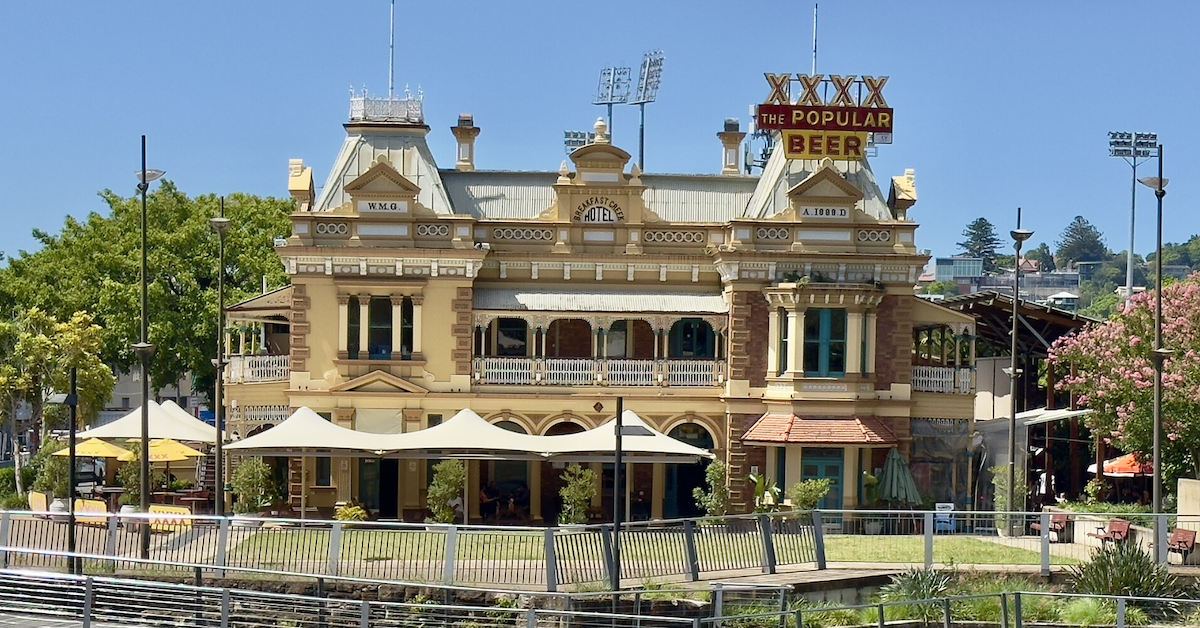
For more than 135 years, the Breakfast Creek Hotel has been part of Brisbane’s story. Sitting beside the creek that gave it its name, the heritage pub is best known for its famous steaks, cold beer and striking Victorian architecture.
Yet there is far more to the building than many people realise. Over the decades, it has survived major floods, welcomed generations of Brisbane families and become the setting for stories that continue to capture local interest. Even the name “Breakfast Creek” has an unusual origin dating back to one of the earliest European expeditions into the Moreton Bay area.


Here are five fascinating facts that show why the Breakfast Creek Hotel is much more than a popular place to eat.
The Hotel Was Built by Brisbane’s Mayor, but He Never Saw Its Full Legacy
The Breakfast Creek Hotel was built in 1889 during a period of rapid growth across Brisbane. The man behind the project was William McNaughton Galloway, a successful businessman who also served as Brisbane’s Mayor in the same year.

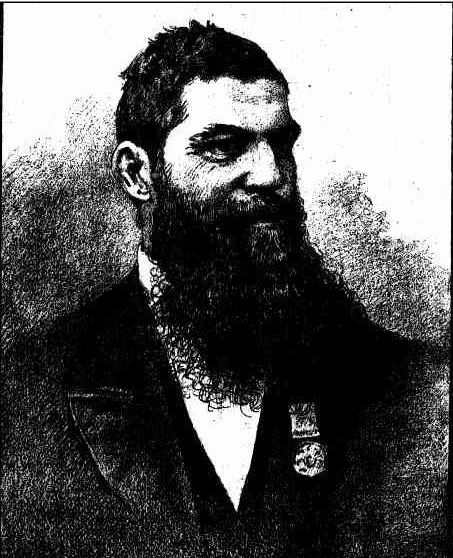
Galloway invested in a large two-storeyed brick hotel designed by architects George Simkin and John Ibler. Wide verandas, decorative iron lacework and spacious public rooms gave the building a distinctive appearance that still attracts visitors today.

Only a few years after the hotel was completed, tragedy struck. In 1895, Galloway fell from a second-floor window at the hotel and later died from his injuries. A later inquiry examined the circumstances surrounding the incident and heard that he had been intoxicated before the fall.
His death soon became part of local folklore. The hotel’s official history notes that staff and visitors have shared ghost stories linked to Galloway over many years. Whether people believe those stories or simply enjoy the history behind them, they remain one of the hotel’s best-known legends.
The Great Flood of 1893 Turned the Hotel Into a Refuge
Today, most visitors know the Breakfast Creek Hotel as a place to meet friends or enjoy a meal. During Brisbane’s Great Flood of 1893, however, it served a much different purpose.



The disaster remains one of the most significant floods in the city’s history. Heavy rain caused the Brisbane River and nearby waterways to rise rapidly, leaving many surrounding areas underwater.
Historical records show that the hotel’s upper floors became a refuge for people escaping the floodwaters while the lower levels were affected by rising water. The building’s sturdy construction helped it survive an event that caused widespread destruction across Brisbane.
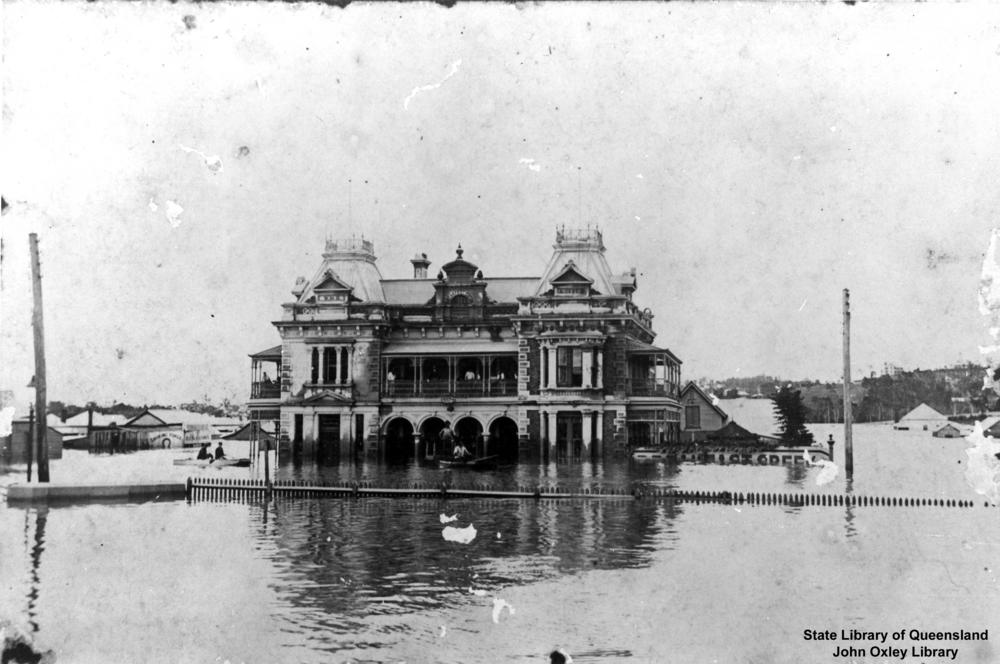
More than a century later, history repeated itself when floodwaters again reached the hotel during the 2022 Brisbane floods. Although the city has changed dramatically since the nineteenth century, the Breakfast Creek Hotel continues to stand as one of the few buildings that has witnessed both disasters.
The Hotel Helped Shape Brisbane’s Pub Dining Culture
The Breakfast Creek Hotel is famous for its steaks, but its influence reaches beyond the menu.
Over the years, the hotel introduced several ideas that became well known across Brisbane’s hospitality industry. One of its most popular traditions allowed diners to choose their own steak from a refrigerated display before it was cooked over an outdoor grill. This remains one of the hotel’s signature attractions today.

The venue also became known for its beer garden dining at a time when outdoor meals were still uncommon in Brisbane. It later introduced one of the city’s early drive-through bottle shops, offering customers a level of convenience that was unusual for the period.
While these ideas may seem ordinary today, they helped shape the way many Brisbane pubs developed during the twentieth century.
For Decades, It Was One of Brisbane’s Favourite Meeting Places
The Breakfast Creek Hotel has long attracted a wide range of visitors.
Its location near the Brisbane River and the city’s wharves made it a popular destination for waterside workers, local businesses and residents from nearby suburbs, including Clayfield, Albion, Hamilton and Newstead.
Queensland’s heritage records also recognise the hotel’s long association with working-class communities, waterside workers, members of the Australian Labor Party and other local organisations that regularly gathered there throughout much of the twentieth century. Alongside these groups, countless families, sporting clubs and community organisations have also made the hotel part of their own traditions.
This long history of bringing people together has helped make the Breakfast Creek Hotel more than a heritage building. For many Brisbane families, it has become a place linked to celebrations, reunions and memorable meals across several generations.
The Famous Name Began With a Simple Breakfast Beside the Creek
The story behind the hotel’s name goes back much further than the building itself.
In 1824, explorer John Oxley travelled through the Moreton Bay area while searching for a suitable location for a new settlement. During the expedition, his party stopped beside a small creek to eat breakfast.
According to the Queensland Places historical records, the waterway became known as Breakfast Creek after that meal. The same records also note that the expedition later had an encounter with local Aboriginal people near the site. Over time, the name was adopted for the creek, the surrounding district and eventually the hotel built there more than 60 years later.
More than two centuries after Oxley’s journey, Breakfast Creek remains one of Brisbane’s most recognisable place names, linking the city’s earliest colonial history with one of its best-known heritage hotels.
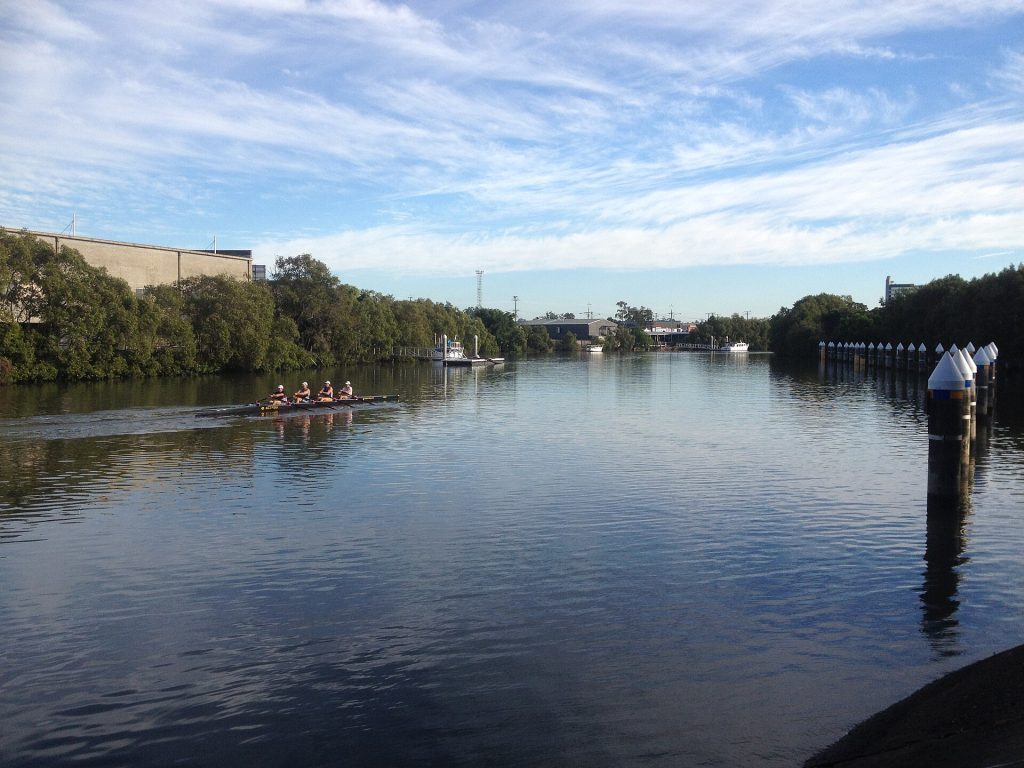
More Than 135 Years of Brisbane History Under One Roof
The Breakfast Creek Hotel has survived changing ownership, devastating floods and Brisbane’s remarkable growth from a colonial settlement into a modern capital city. While many historic hotels have disappeared or undergone major alterations, this landmark has retained much of the character that first made it famous.
Its Victorian architecture continues to attract visitors, but it is the stories connected to the building that leave the strongest impression. Across Brisbane’s northside, including Clayfield, it remains a familiar landmark that connects today’s community with Brisbane’s past. More than a century after it was built, the hotel continues to earn its place as one of Queensland’s most enduring local icons.
Published 26-June-2026