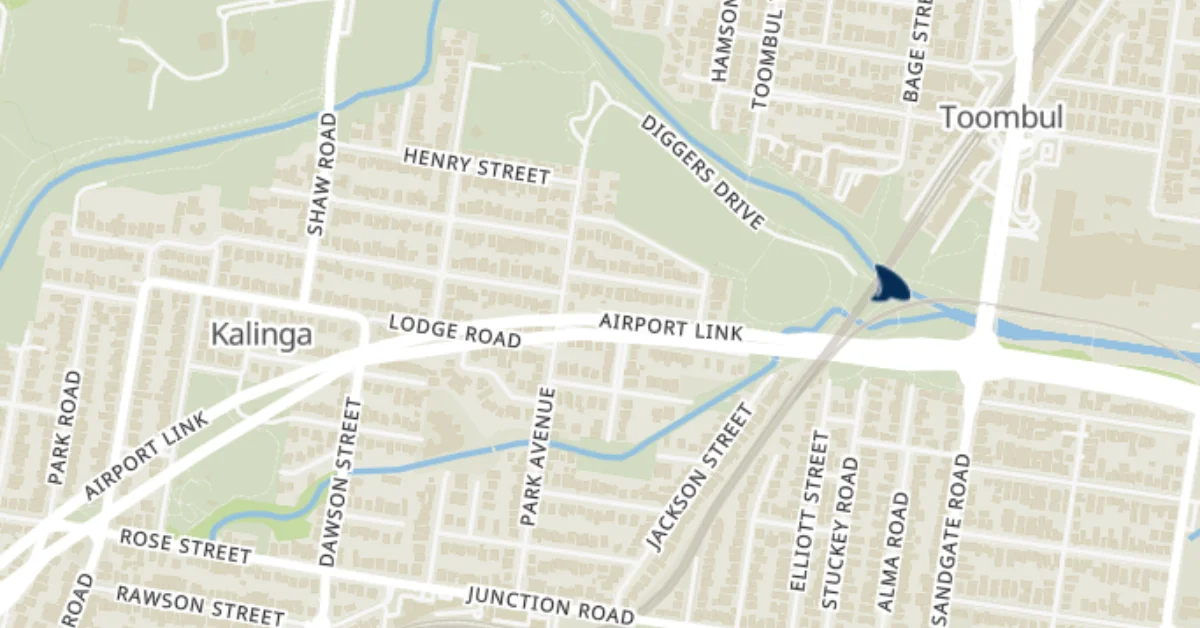
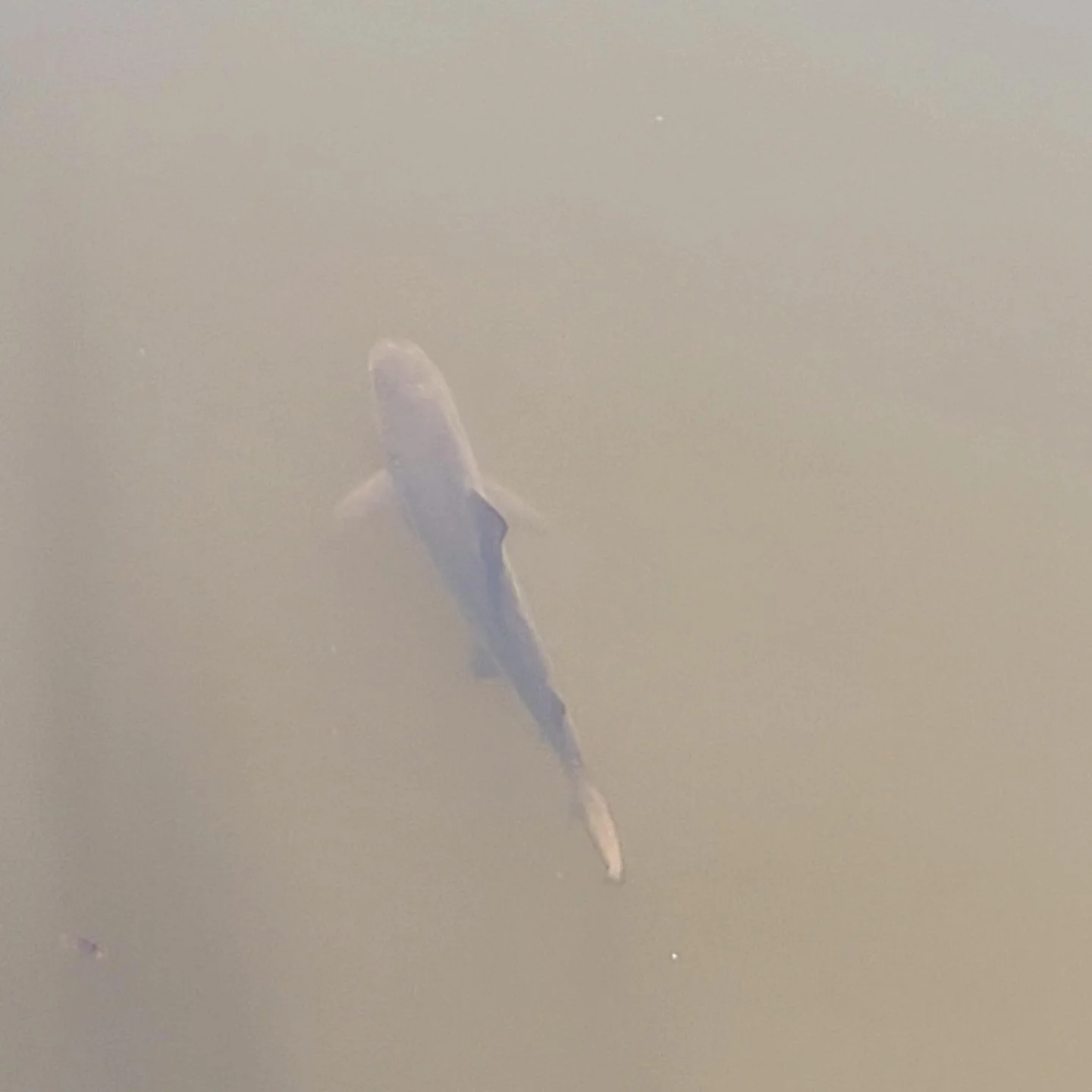
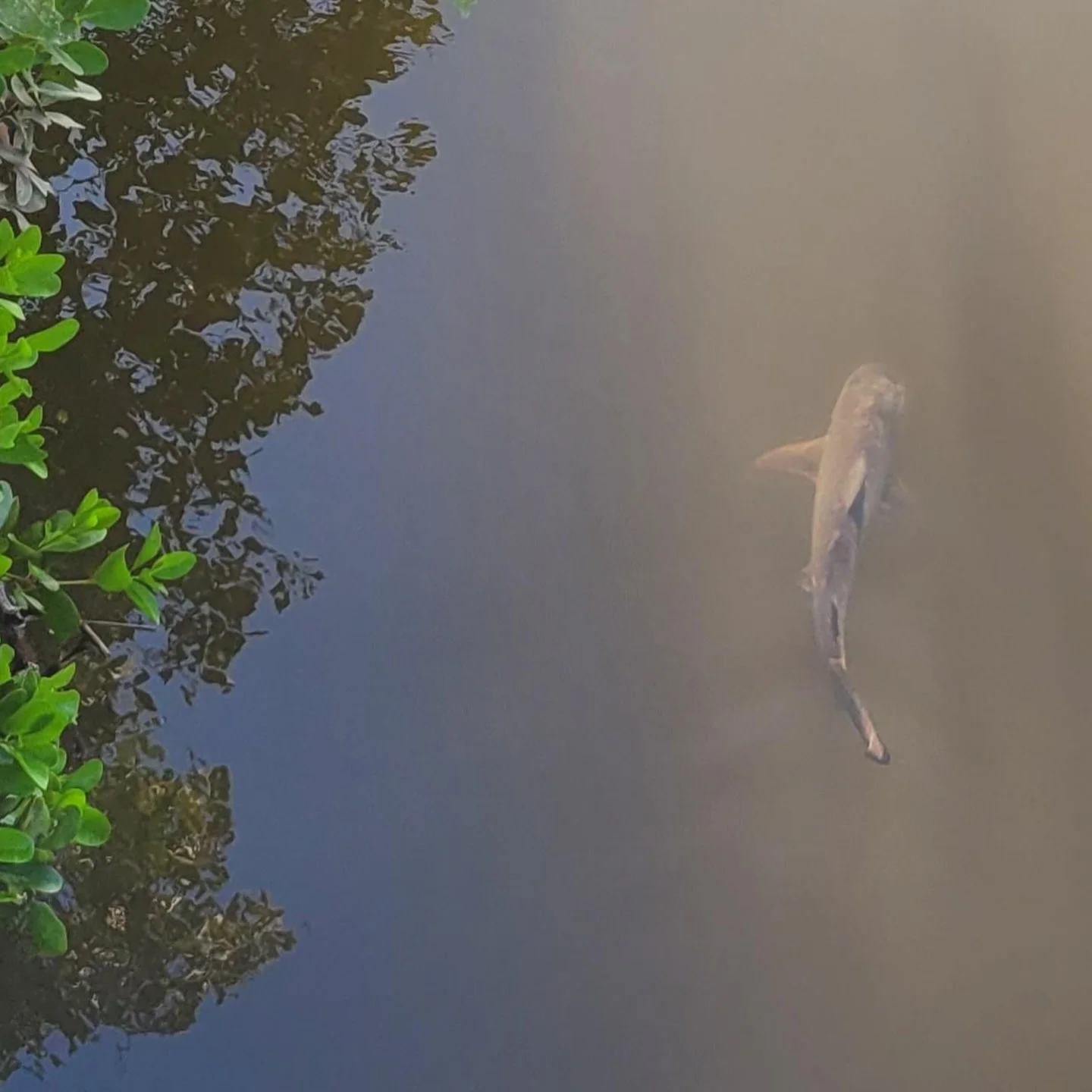
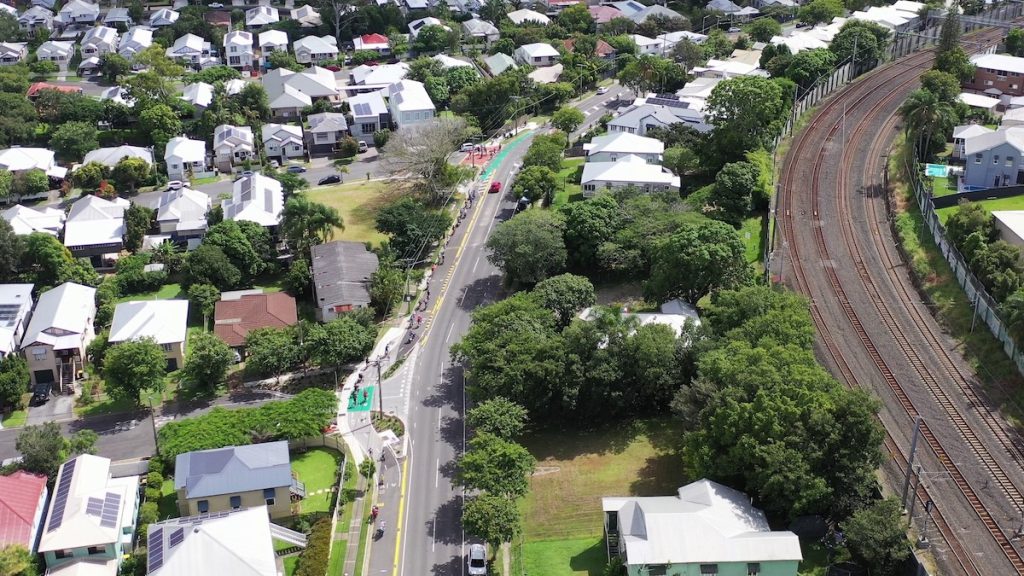
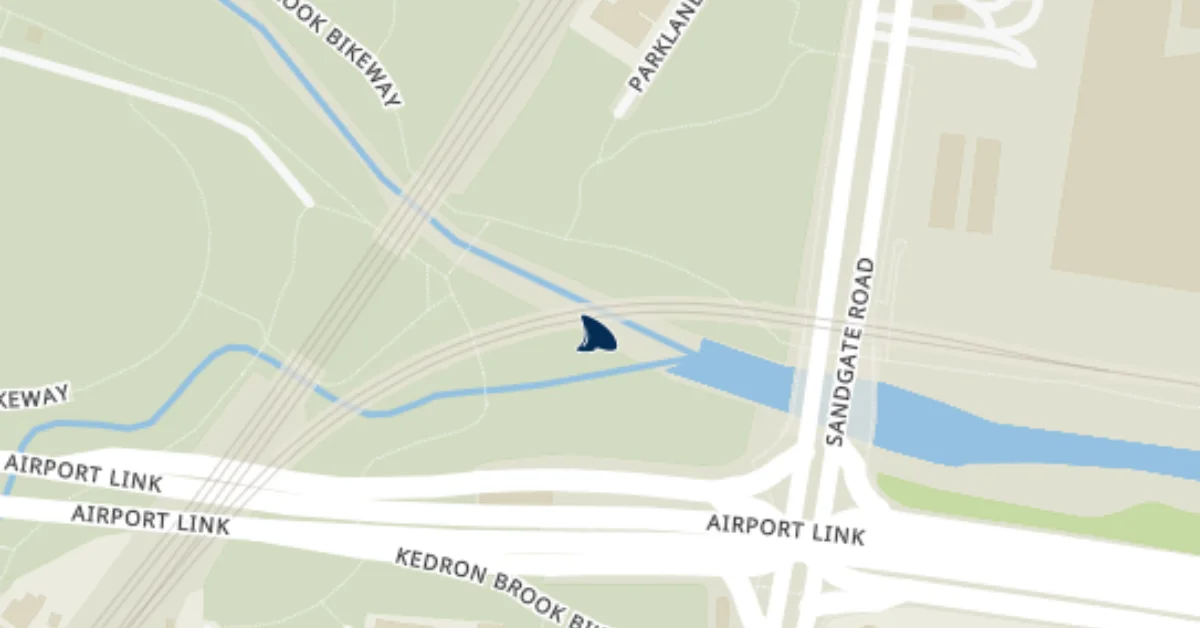
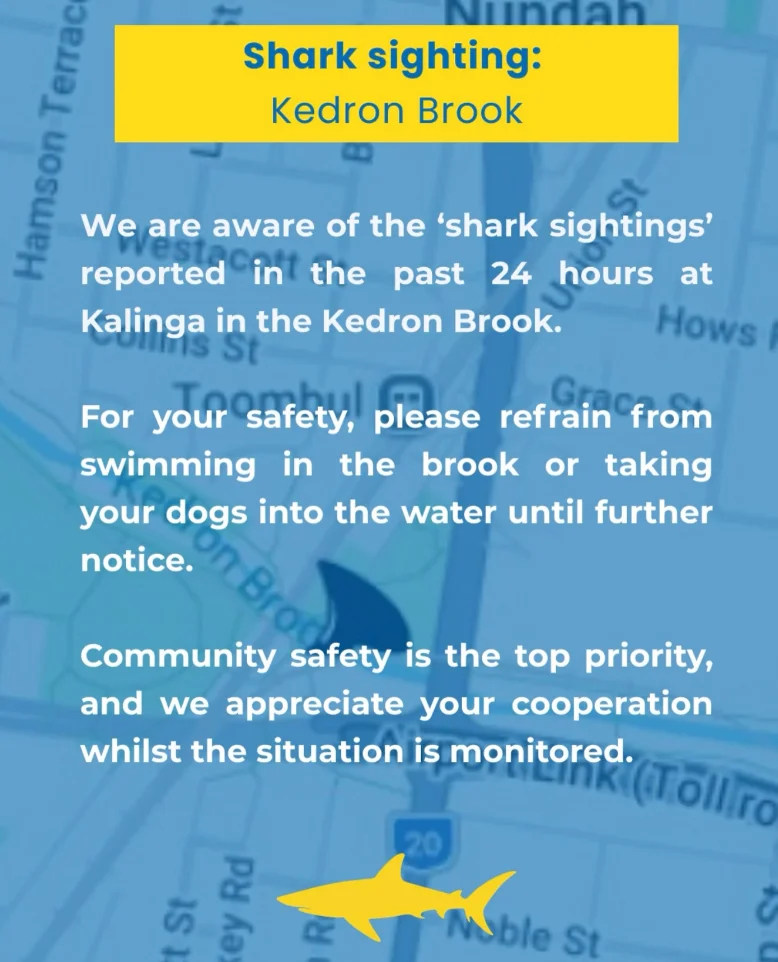
Small sharks have been sighted in Kedron Brook, with recent reports near Kalinga Park and the former Toombul Shopping Centre prompting renewed awareness.
Recent reports have identified small sharks in Kedron Brook, including areas close to Kalinga Park. The sightings were also noted near the former Toombul Shopping Centre, within the same connected creek system.
The reports point to activity along sections of the waterway that run through northern Brisbane suburbs.
Movement Through Tidal Waterways
The sightings have been linked to smaller sharks moving through tidal waterways. Kedron Brook connects to larger river systems, allowing marine species to pass through during tidal movement.
This type of activity is generally associated with natural water flow patterns.
Reports of sharks in Kedron Brook were also noted in February 2026, including sightings near Kalinga Park in shallow sections of the creek. Those earlier observations prompted precautionary advice at the time to avoid entering the water.
The more recent sightings in March reflect continued activity within the same waterway rather than a single isolated event.
No Immediate Cause For Alarm
The sightings have not been described as an emergency situation. Instead, they have been presented as a reminder for people to remain aware when near waterways.
General caution has been encouraged around the creek, particularly in areas where access to the water is possible.
Photo Credit: LMAdrianSchrinner/Facebook
Familiar Sight For Some Locals
Public discussion around the sightings reflects a level of familiarity, with some noting similar observations in Kedron Brook over many years. Comments suggest that sharks have previously been seen in the waterway at different times.
At the same time, others have expressed caution, particularly in relation to pets or people entering the creek.
Kalinga Waterway Remains Widely Used
Kedron Brook remains a shared recreational space across suburbs including Kalinga. The area is commonly used for walking and outdoor activity along the creek corridor.
Music Beat Australia, the Clayfield-based music therapy provider operating from Sandgate Road, has secured a Kickstarter early intervention grant to deliver a 14-month program using group drumming, songwriting and jam sessions to build emotional regulation and social connection in at-risk and neurodivergent young people across Brisbane.
The program, titled “Changing the Tune,” forms part of a broader round of community-led initiatives funded across Greater Brisbane, with Music Beat Australia joining three other organisations sharing more than $1 million in Kickstarter grants. The funding supports programs designed to work with young people before disengagement and antisocial behaviour become entrenched, focusing on re-engagement with community, education and healthy social networks.
For Clayfield and Brisbane’s broader northside, the announcement represents a meaningful investment in prevention-focused youth support, delivered by a provider already woven into the region’s community health landscape.
Music Therapy as an Early Intervention Tool
Music Beat Australia operates its main clinic at Sandgate Road in Clayfield, with additional locations at Nundah, Holland Park, Greenslopes and Bulimba, alongside mobile services reaching schools, kindergartens, childcare centres and family homes. The organisation became a registered NDIS provider in 2021 and brings a team of registered music therapists drawing on a combined clinical experience of 84 years.
The “Changing the Tune” program applies group drumming, songwriting, jam sessions and individual therapeutic support specifically to young people identified as showing early signs of disengagement or antisocial behaviour. The program targets emotional literacy and pro-social engagement as protective factors, with research consistently linking these capacities to reduced long-term offending risk. Music therapy is recognised internationally as a structured, evidence-based allied health practice, distinct from recreational music activity, and has demonstrated effectiveness in building emotional regulation skills across a wide range of populations including neurodivergent youth.
Part of a Broader Brisbane Initiative
The Kickstarter grants program funds community organisations delivering early intervention initiatives focused on reconnecting young people with education, training and community pathways. Music Beat Australia’s program sits alongside three other funded initiatives in the current round, including a bike-building mentoring program for youth in Redlands, a family-focused accountability and emotional regulation program in Deception Bay, and a community-led mentoring initiative in Inala. Together, the four programs reflect a growing emphasis on community-embedded, skills-based early intervention as a practical complement to formal youth support systems across Greater Brisbane.
Music Beat Australia also partners with PCYC Queensland in the delivery of its youth justice work, extending the clinic’s reach well beyond Clayfield and into community settings across the city.
Why This Matters to the Clayfield Community
For Clayfield residents and families across Brisbane’s northside, having a locally based, clinically grounded organisation delivering this kind of early intervention work carries real significance. Music Beat Australia is not an organisation parachuted in from outside the region; it is a Sandgate Road fixture that many northside families already know through early learning classes, NDIS therapy services and free community sessions at parks and recreation centres.
The “Changing the Tune” program extends that community presence into a space where the need is acute. Youth disengagement and its downstream consequences affect families and neighbourhoods across every part of Brisbane, and programs that intervene early, before patterns of antisocial behaviour become entrenched, represent some of the most effective long-term responses available. For a community like Clayfield, which sits within a broader northside corridor experiencing steady residential growth, the presence of well-funded, evidence-based early intervention work locally is a meaningful part of what makes the area a place where families want to put down roots.
About Music Beat Australia
Beyond the “Changing the Tune” program, Music Beat Australia runs early learning music classes for babies, toddlers and pre-schoolers under its Music Beat Kids banner, as well as lessons and tuition in piano, guitar, violin, singing and drama for school-aged children and adults. The organisation also delivers free community music sessions as part of the Active and Healthy program at locations including Wynnum Wading Pool Park, Mt Coot-tha and Kenmore.
NDIS participants can access music therapy through Music Beat Australia as a Capacity Building support under the scheme. Families, educators and organisations seeking more information about therapy services, early learning programs or the “Changing the Tune” project can visit musicbeat.com.au or reach the clinic directly at Sandgate Road, Clayfield QLD 4011.
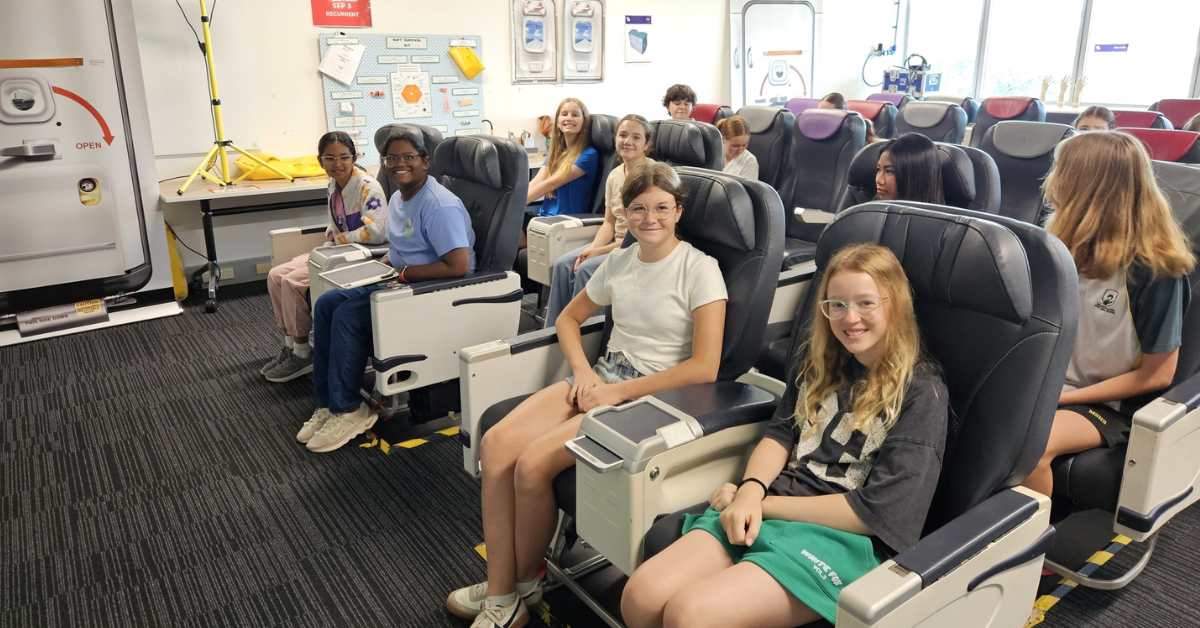
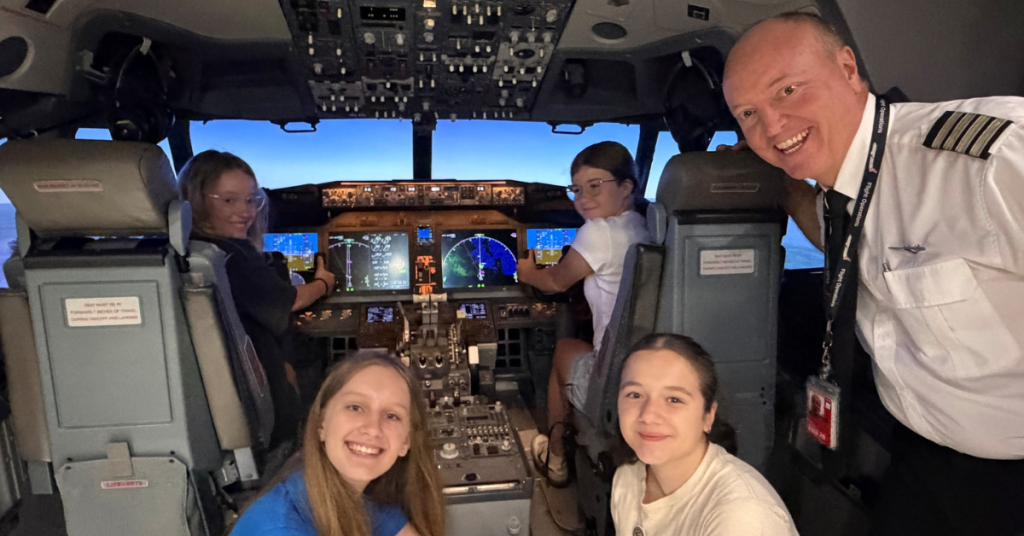
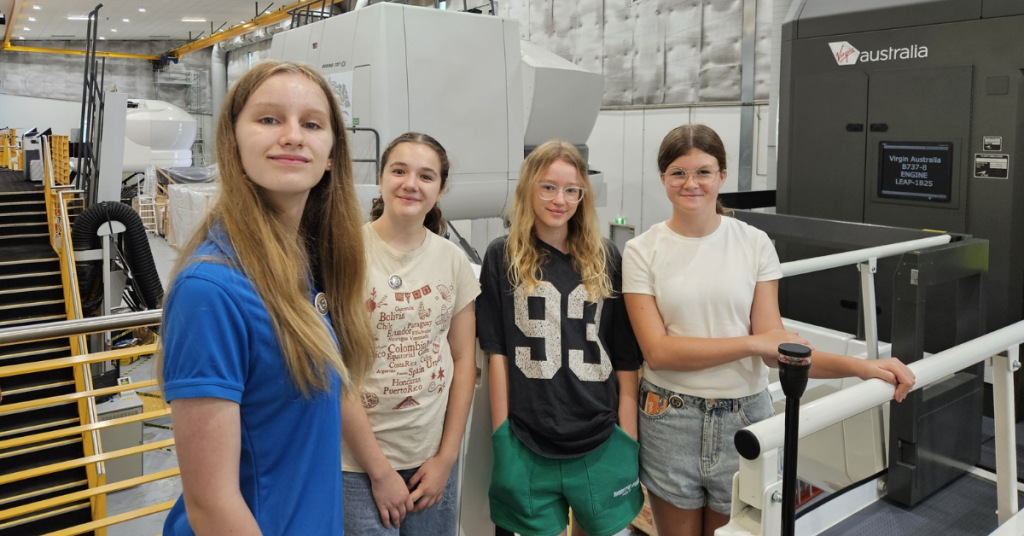
A group of aspiring young aviators from Clayfield swapped their school desks for the controls of a passenger jet as part of a special initiative designed to launch more women into the Australian aviation industry.
The event took place last week as part of an annual initiative timed to coincide with International Women’s Day. While students from southeast Queensland have participated before, the most recent session saw the flight path expand to include teenagers from regional hubs like Townsville, Rockhampton, and Mackay.
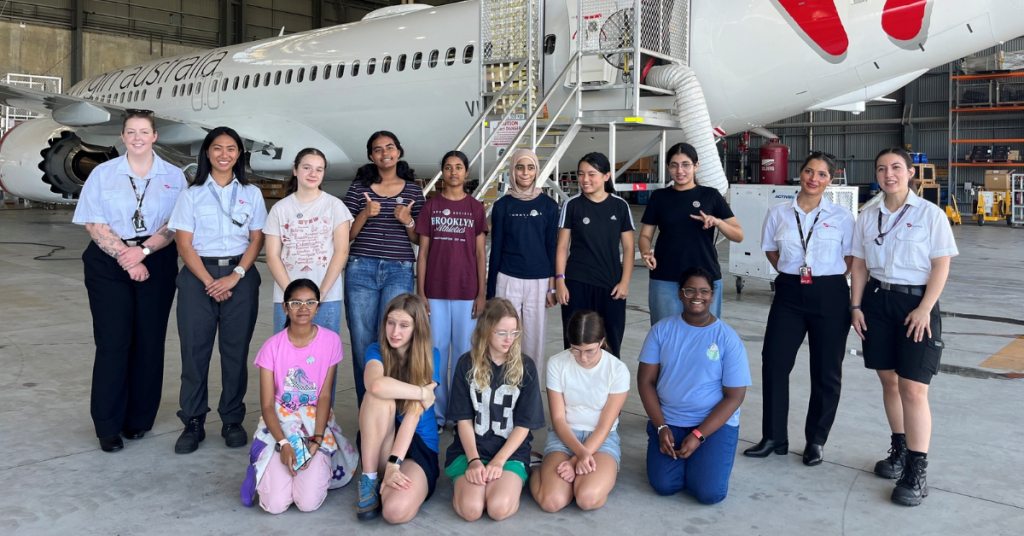
These students traveled to the airline’s Brisbane headquarters to explore career paths that have historically seen low numbers of female workers, specifically in the areas of heavy aircraft maintenance and flight deck operations.
The visiting students moved beyond the passenger terminal to see how massive aircraft are maintained and managed. One participant from Indooroopilly described the visit to the Brisbane flight simulator as a highlight that she would always remember, noting that the experience allowed her to build new friendships with peers from her own school while exploring the technology.
Another student expressed her excitement at visiting the maintenance hangar, where she even had the chance to test safety equipment like oxygen masks. For some, the day was also a personal milestone, providing an opportunity to see their parents working in professional aviation environments.
A major feature of the day involved a tour of the newest Boeing 737 MAX-8 aircraft, which had only just arrived in the country. This specific plane represents a shift toward more sustainable travel, as it is designed to use 19 per cent less fuel and produce 40 per cent less noise than older models.
By showing students in Years 8, 9, and 10 this high-tech equipment, organisers hope to spark an interest in engineering before the girls choose their final school subjects. A student from Townsville mentioned that although she was still deciding on a career, she was particularly interested in learning the high standards required to keep planes safe and airworthy.
The day concluded with a deep dive into the airline’s Integrated Operations Centre, which acts as the nerve centre for managing flights in real time. Industry leaders explained that by reaching out to students in their early high school years, the aviation sector can show that roles in the cockpit or the engineering bay are realistic and achievable goals.
The event, held in partnership with the Aerospace Gateway to Industry Schools Programme, finished with a panel where professional women shared their experiences. This helped the students see a clear map of how to move from the classroom to a professional career in the sky.
Hendra, a suburb with fewer than 5,000 residents, has recorded one of the highest car theft totals in Queensland, with police data showing 735 vehicles stolen, placing the suburb at the top of a statewide list and raising concerns among residents about vehicle security.
The figure was highlighted in a Queensland Police Service crime data report, which found vehicle thefts across the state had climbed to their highest monthly levels since early 2024.
Police statistics show the offence category — unlawful use of a motor vehicle — had 1,797 victims statewide in November alone, one of the highest monthly totals recorded since crime data began in 2001.
While overall victim numbers for vehicle theft in 2025 were slightly lower than the same period in 2024, police data indicate the trend began rising again from August. Statewide figures show 16,805 victims of unlawful use of a motor vehicle between January and November 2025.
Vehicle theft figures are recorded based on where the offence occurs, meaning suburbs with large numbers of parked vehicles or commercial areas can record higher totals even if many offenders live elsewhere.
In Hendra, the statistics stand out because of the suburb’s size. Census data shows the area has just under 5,000 residents, yet its stolen-vehicle count placed it ahead of much larger suburbs across Queensland.
Motoring group RACQ has previously stated that technology could play a role in reducing thefts, noting some modern vehicles can detect erratic driving and may eventually be able to recognise when they have been stolen and limit how the vehicle can be driven.
Community support groups have also reported an increase in people seeking help after vehicle thefts, particularly in cases where victims reported being threatened during the offence.
Queensland Police say they continue to target vehicle theft through enforcement, prevention and disruption strategies.
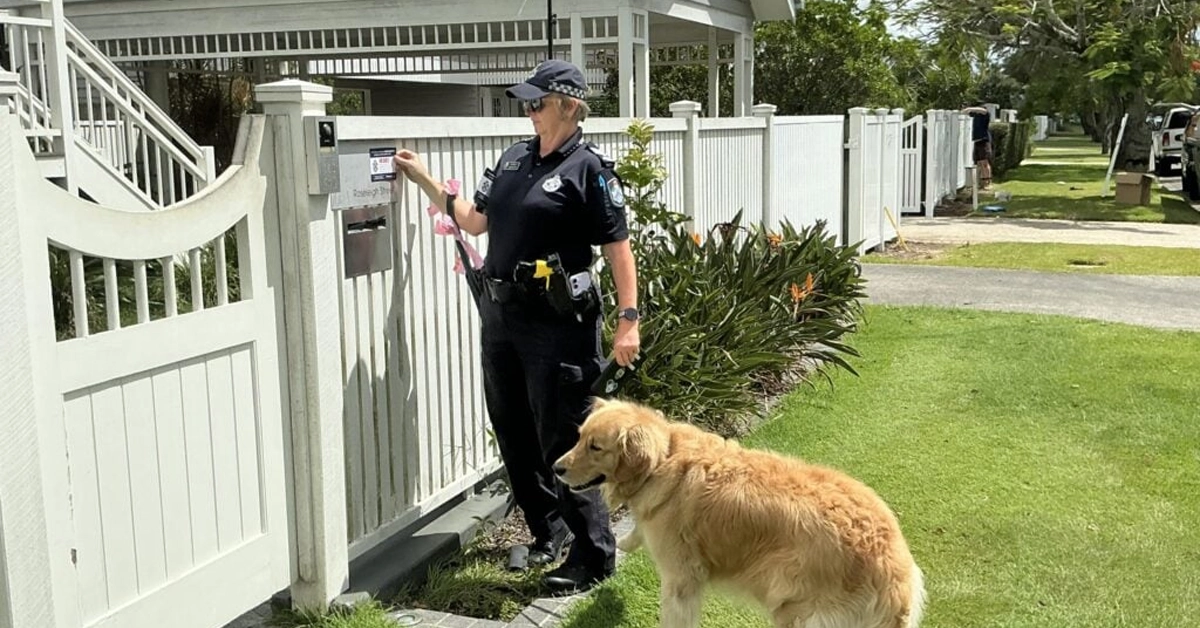
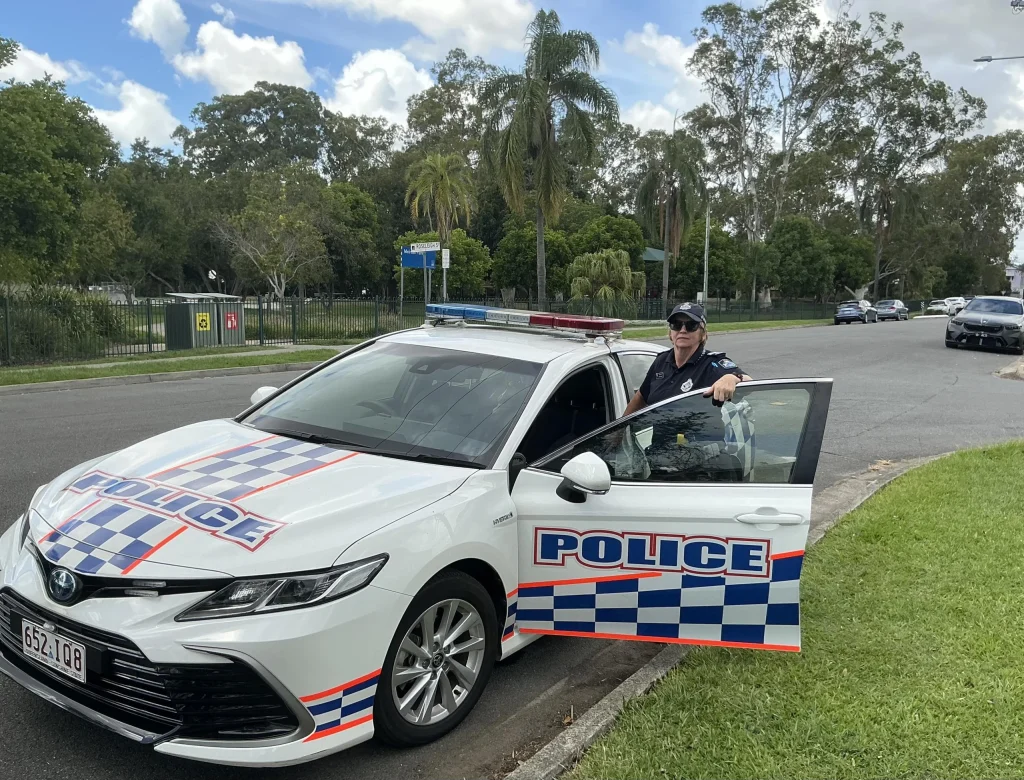
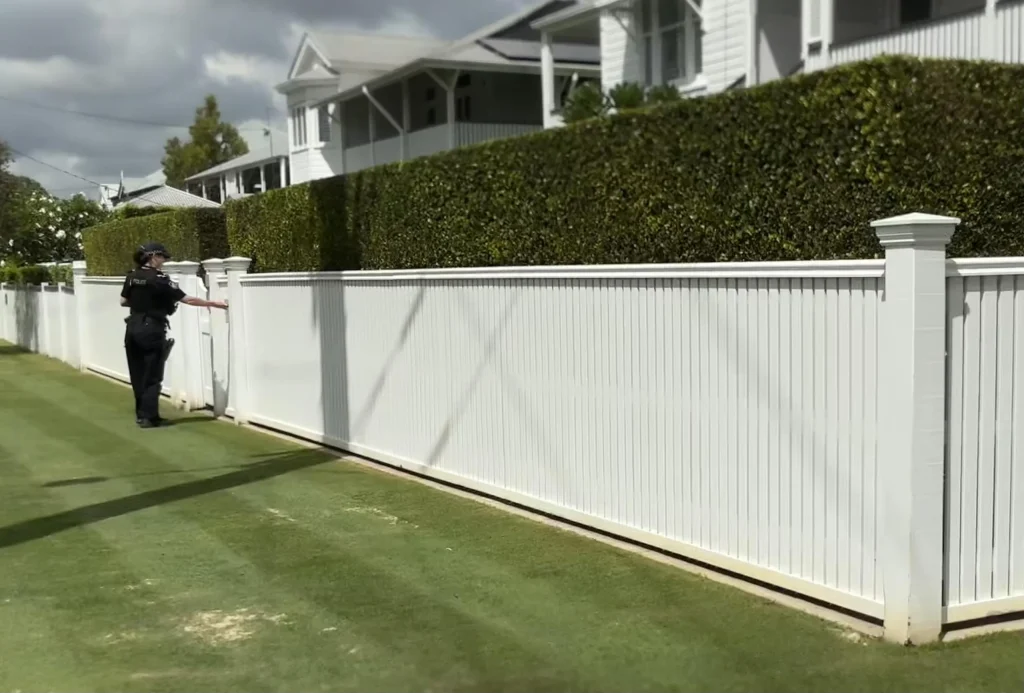
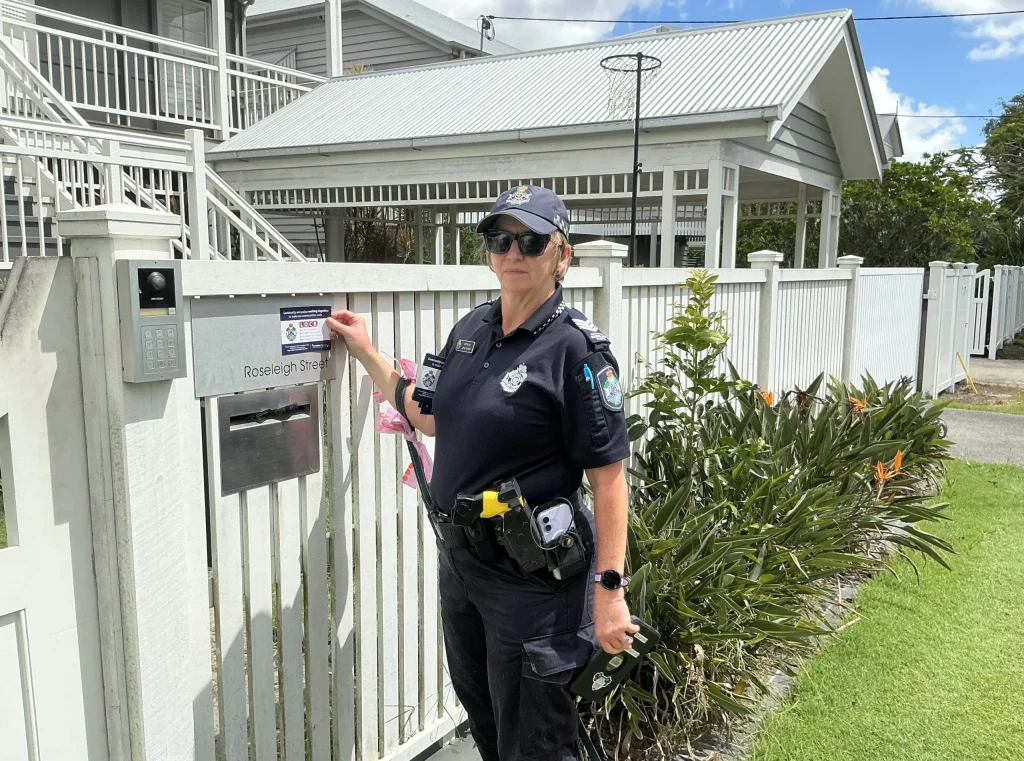
Police officers visited streets in Kalinga this week, distributing home security information to residents as part of ongoing crime prevention efforts in the suburb.
Senior Constable Kim Richter confirmed that officers attended the area around Roseleigh Street and Kent Road on Monday 23 February, providing letterbox drops with information on home security measures and crime reporting options.
The Queensland Police Service visit comes as part of broader community policing initiatives aimed at preventing opportunistic offences in Brisbane’s northern suburbs.
“While offenders are responsible for the crimes they commit, we can work together to prevent opportunistic offences,” a QPS statement said.
Residents have been encouraged to review their home security arrangements, with police recommending several practical measures to deter potential intruders.
Key recommendations include installing key-operated locks on doors and windows to make unauthorised entry more difficult, and marking valuable items with identification such as microdot technology or engraving to make stolen property harder to sell.
Police have also suggested making it more challenging for offenders to exit properties with stolen goods, though specific methods were not detailed in the community information.
Kalinga residents seeking additional crime prevention advice can access the Queensland Police Service’s home and multi-residential security resources online at the QPS website.
Authorities have reminded the community that anyone witnessing a crime in progress or facing immediate danger should call Triple Zero (000). For non-urgent matters, residents can contact Policelink on 131 444 or submit information through the online suspicious activity form available 24 hours a day at www.police.qld.gov.au/reporting.
Those wishing to provide information anonymously can contact Crime Stoppers on 1800 333 000 or visit www.crimestoppersqld.com.au.
The police presence in Kalinga reflects ongoing efforts by Queensland Police to maintain community safety through both enforcement and prevention strategies across Brisbane suburbs.
Assunta Austin, Teacher Librarian at Wooloowin State School since 1999 and a library professional since 1983, has been named a 2025 Queensland Teacher Librarian of the Year by the Queensland School Library Association, an award honouring outstanding professional knowledge, practice and engagement in school librarianship.
Austin, who officially retires this year after more than four decades in the profession, will see her legacy honoured permanently with the Wooloowin State School library renamed “The Austin Library” in recognition of her contribution to the school and its community. She is one of two recipients of the 2025 award, sharing the honour with Lizzy Dixon from Moorooka State School.
The Queensland School Library Association presents the Teacher Librarian of the Year award annually to recognise exceptional dedication to creating dynamic learning spaces, collaborating across school communities and fostering a lifelong love of reading and inquiry. Austin’s career, spanning 42 years since she first became a Teacher Librarian in 1983 and 26 years at Wooloowin State School in the inner north suburb bordered by Kedron, Lutwyche and Clayfield, has been marked by her commitment to creating a vibrant and welcoming library space that extends far beyond the walls of the school.
Building Community Through Books
Austin describes championing reading and books not only to students at her school but also to the wider school community as what gives her the most enjoyment in the role. One of her signature initiatives at Wooloowin State School is “One School, One Book, One Community”, a program that has run for the past three years and brings entire families together to read the same book. The program concludes with an evening event led by the school’s Parents and Citizens association, featuring a presentation from the book’s author. This kind of community-focused programming reflects Austin’s belief that literacy is not just a classroom responsibility but a shared endeavour that thrives when families are actively engaged.
Photo Credit: Wooloowin State School/Facebook
For parents wondering how to encourage reading at home, Austin offers practical and accessible advice. She suggests creating a quiet, comfortable and distraction-free reading space, making reading part of the family’s daily routine, and sitting with children to read to them, read with them and be read to by them. She also recommends talking about illustrations and asking questions about characters, settings and story events to promote meaningful discussions. Most importantly, she emphasises being a good reading role model, which helps build a lifelong love of reading and learning.
The Role of the Teacher Librarian in the 21st Century
Austin’s career has spanned an era of profound change in school libraries. Teacher Librarians today, as defined by the Australian School Library Association, hold both recognised teaching qualifications and qualifications in librarianship, bringing combined knowledge of teaching, curriculum, library and information management to Queensland schools. Their role has evolved significantly with the rise of digital information and the need for students to develop critical information literacy skills alongside traditional reading and research capabilities.
Austin has also served as network coordinator for The Grove Network, a professional group for libraries in the Stafford and Geebung district, reflecting her commitment to supporting fellow library professionals and sharing best practice across schools. Her work in this capacity has helped strengthen the broader community of Teacher Librarians in Brisbane’s north, many of whom face ongoing advocacy challenges as the Teacher Librarian role disappears from an increasing number of Queensland schools despite evidence that access to a school library run by qualified staff improves student outcomes.
A Lasting Legacy
Wooloowin State School, which opened in 1914 and currently serves more than 330 students from Prep to Year 6, suffered a devastating fire in 2003 that caused smoke and water damage requiring the destruction and replacement of all library books. The library was completely restocked with generous donations from other schools and rebuilt to a standard that now includes sections for Junior Fiction, Fiction, Non-Fiction and a computer lab. Students from Years 4 to 6 who pass a test to become Library Monitors assist the librarian and assistant librarian during lunch hours, creating a student-led culture of care and responsibility for the library space.
Austin’s retirement this year marks the end of a chapter for Wooloowin State School, but the renaming of the library as “The Austin Library” ensures that her contribution to generations of students, families and staff will be remembered and celebrated for years to come. Queensland School Library Week, which celebrated school libraries and library professionals across the state in 2025, provided a fitting moment to recognise Austin’s extraordinary career and the profound difference she has made to literacy, learning and community connection in Brisbane’s inner north.
Clayfield and Kalinga are among 18 Brisbane suburbs where planning rules may change to allow more housing close to public transport and local shops, with a community consultation period now open until Friday 20 March 2026.
The More Homes, Sooner initiative proposes updates to the low-medium density residential zone, known as the LMR zone, which covers around 14 per cent of Brisbane’s residential land and includes pockets of both suburbs. The changes aim to make it easier and more affordable to build the kinds of homes that key workers, younger buyers, couples and downsizers are actually looking for, in suburbs they already know and love, rather than pushing growth to the city’s fringes.
New dwelling approvals in LMR zones across Brisbane fell from around 1,100 homes per year to just 445 in 2023, as rising construction costs made smaller infill projects increasingly difficult to stack up financially. The proposed changes are designed to reverse that trend.
What Could Change in Clayfield and Kalinga
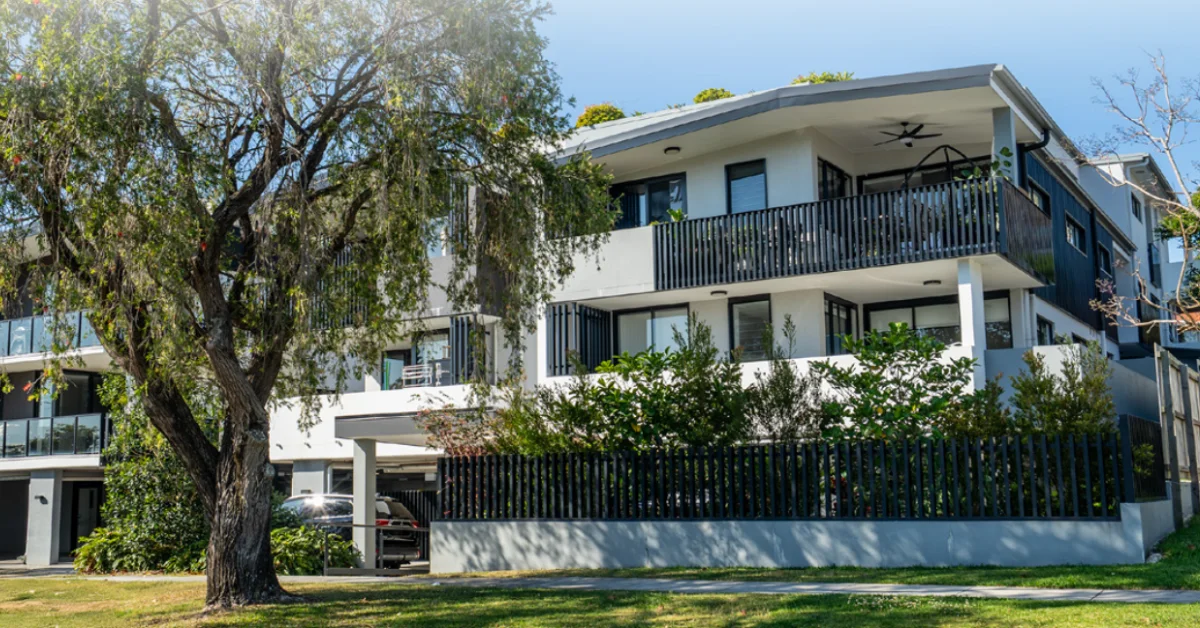
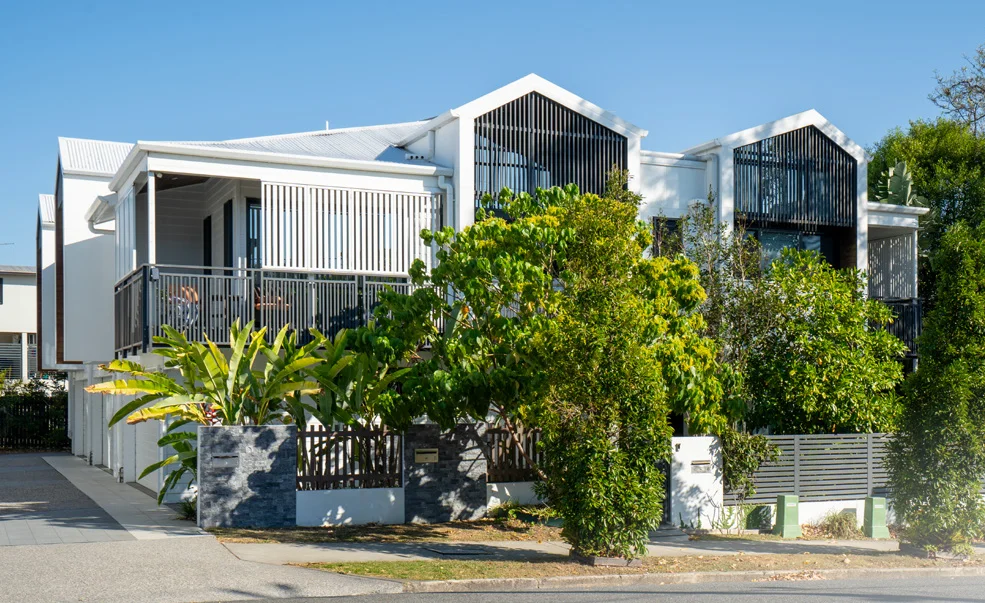
The LMR zone in Clayfield and Kalinga currently allows for two to three storey buildings on lots of at least 400 square metres, accommodating townhouses, duplexes, row houses and small apartment buildings. Under the More Homes, Sooner proposals, the baseline height allowance across LMR zones would rise to a consistent three storeys. Properties within 400 metres walking distance of a high-frequency public transport stop or a shopping centre, classified as Key Locations, would be eligible for up to four storeys on lots of 800 square metres or more.
Minimum lot sizes are also proposed to change, dropping to 120 square metres in some circumstances to enable small freehold houses and terrace-style homes on compact blocks. Low density residential properties within 300 metres walking distance of a shopping centre would also become eligible for subdivision into 300 square metre lots, expanded from the current 200 metre threshold.
Photo Credit: BCC
On-site car parking requirements would be adjusted citywide to reflect declining car ownership and improved access to public transport. A two-bedroom unit currently requires two car spaces; under the proposed changes that would reduce to 1.5 spaces, or 1.2 spaces in Key Locations. The planning document notes that a single car park space can add up to $82,000 to the cost of a unit outside the inner city, and that reducing this requirement directly improves affordability for buyers and renters.
Neighbourhood Character Protected by Design
The changes come with design safeguards built in. Minimum setbacks from existing freestanding houses, maximum building footprints, and requirements for street tree planting are all part of the proposed framework to ensure new development integrates into existing streetscapes rather than overwhelming them.
Planning consultants from Brisbane firm Therefor Group have noted that character-protected areas in suburbs with heritage overlays are unlikely to be affected. In Clayfield and Kalinga, where well-maintained Queenslander homes and post-war cottages define much of the residential streetscape, that distinction matters. The LMR zone typically occupies pockets near transport corridors and centres rather than the broadest residential streets, meaning character areas and designated heritage precincts sit largely outside the scope of the proposed changes.
Photo Credit: BCC
More than half of all Brisbane households are made up of single people or couples without children, yet 71 per cent of the city’s homes have three or more bedrooms. The initiative responds directly to that mismatch, aiming to create housing pathways for people at every stage of life within established, well-serviced suburbs.
How to Have Your Say
Formal community consultation on the More Homes, Sooner draft amendments is open now and closes Friday 20 March 2026. Residents can share their feedback online at brisbane.qld.gov.au by searching “More Homes, Sooner”, by emailing strategicplanninghousing@brisbane.qld.gov.au, or by calling 07 3403 8888. Written submissions can also be posted to Strategic Planning (More Homes Sooner), BCC, GPO Box 1434, Brisbane QLD 4001.
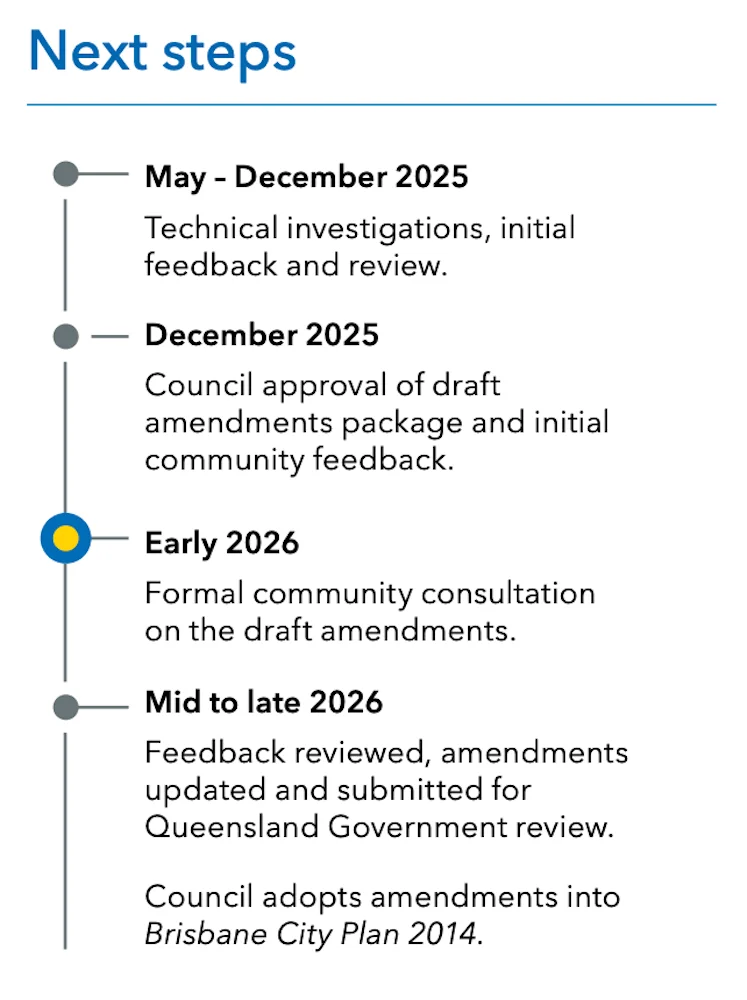
Following the consultation period, feedback will be reviewed and amendments updated before being submitted for state review and formally adopted into Brisbane City Plan 2014. That process is expected to conclude by late 2026.
Families in Clayfield can book a visit to a local early learning centre as Guardian Childcare and Education rolls out its 2026 Tour Month across its network.
The Clayfield centre, located at 791 Sandgate Road, is accepting tour bookings while the national campaign is underway. The site operates Monday to Friday from 6:30 a.m. to 6:30 p.m. and has indicated limited spaces are available.
Tour Month highlights Guardian’s To BE Me learning framework, introduced in 2025. The program is structured around each child’s age, stage and interests, with milestones recorded as part of their early development.
Guardian states that tours also provide families with an overview of centre environments, safety measures and food programs across its network.
Photo Credit: Guardian Childcare & Education
Learning Programs At Clayfield Childcare
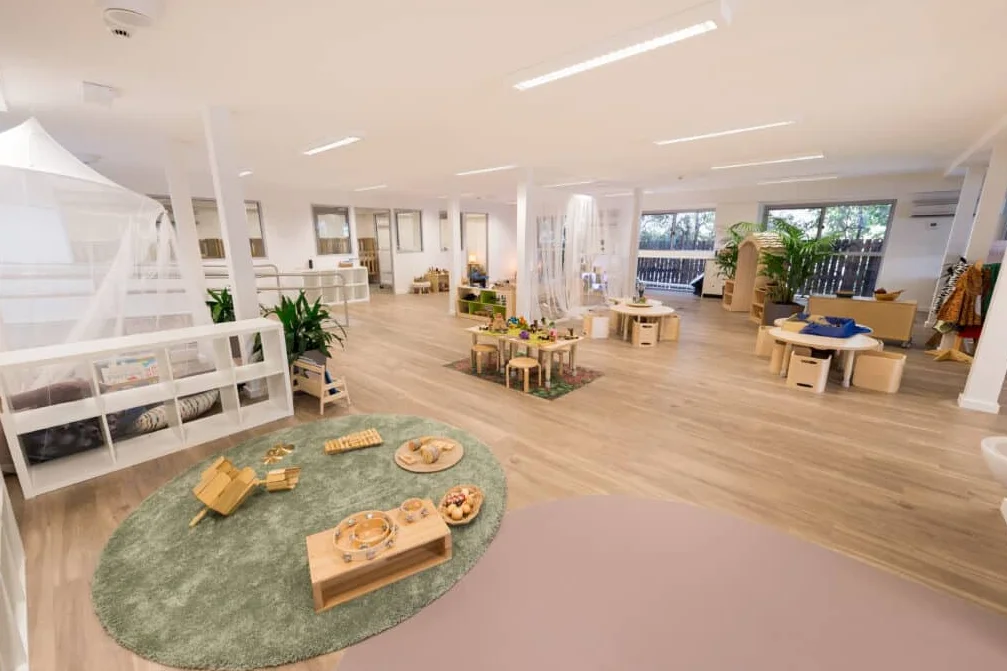
At the Clayfield centre, programs are offered from nursery through to a Flying Start to School kindergarten pathway. The centre outlines a daily rhythm that includes indoor and outdoor learning experiences, meal times, rest opportunities and educator handovers at the end of the day.
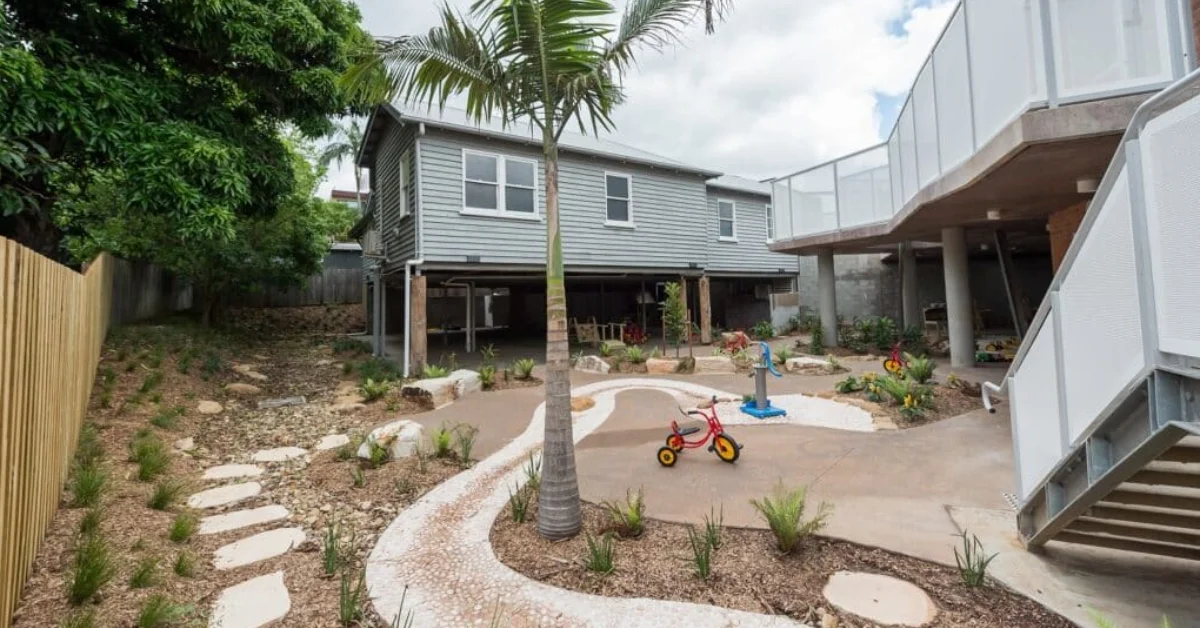
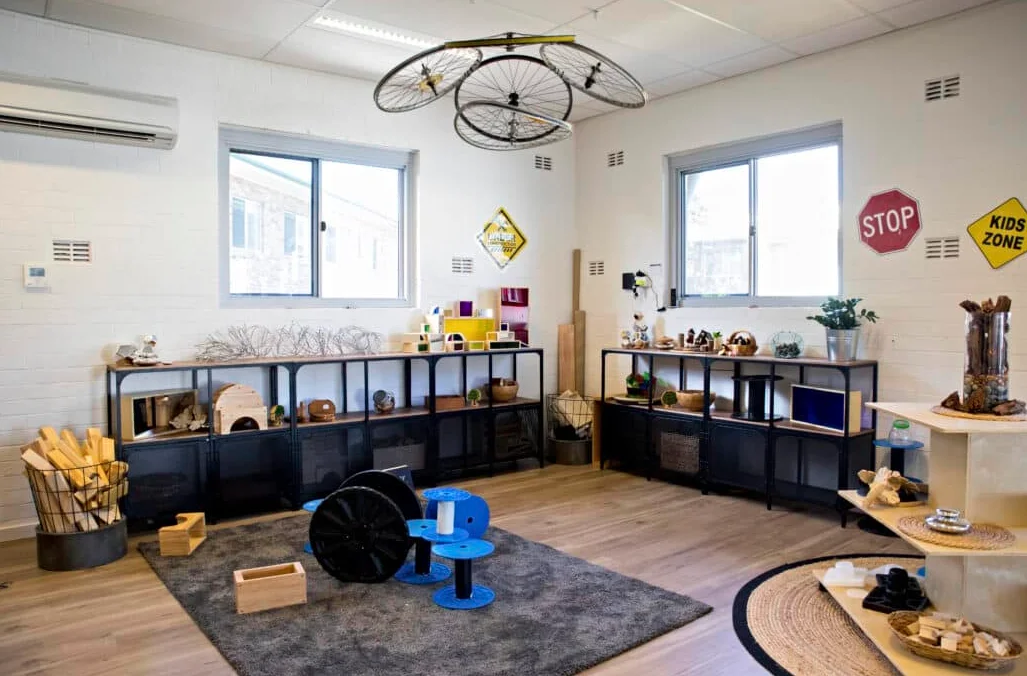
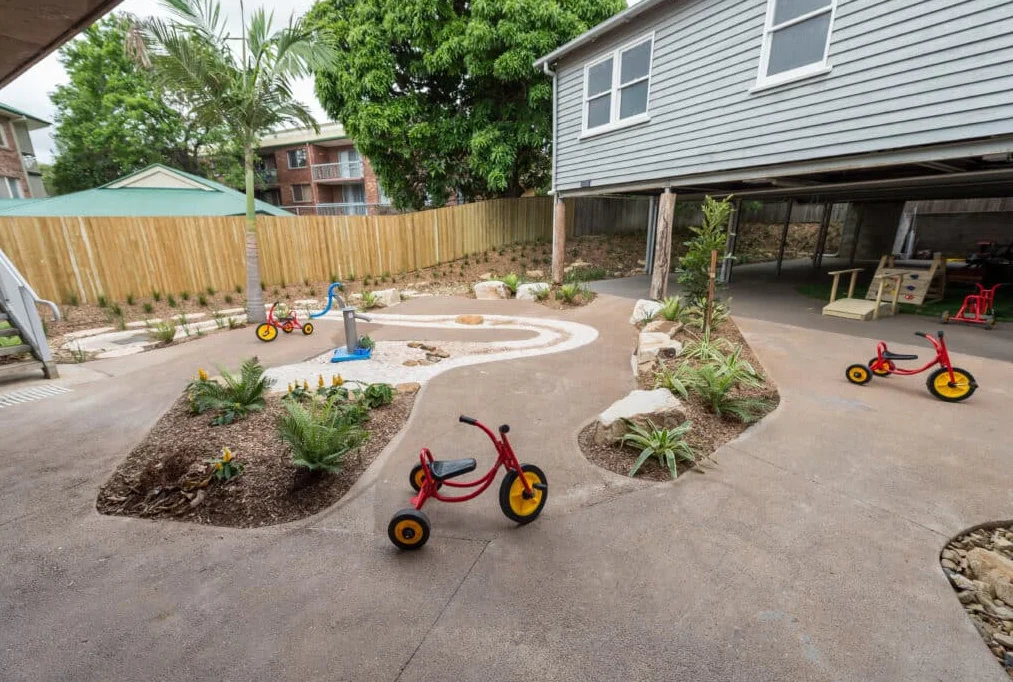
The outdoor environment includes native gardens, a water pump, a creek bed and natural play structures. Indoor spaces are set up with age-appropriate learning resources designed to support early development.
Photo Credit: Guardian Childcare & Education
Safety And Supervision Measures
Guardian outlines a range of child safety measures across its centres. These include Working With Children Checks for team members, reference checks, annual suitability declarations and mandatory child safety training.
Operational practices include visibility requirements in care areas, supervision policies requiring staff to be within sight or sound of one another, daily risk assessments and restrictions on personal phones or devices in learning spaces. Visitor access controls require sign-in procedures and photo identification before entry.
Daily rates at the Clayfield centre are described as all-inclusive, with no additional charges for incursions, excursions or learning programs. Estimated out-of-pocket costs vary depending on Child Care Subsidy eligibility.
Queensland Government funding is available to support up to 15 hours of free kindergarten per week for eligible children who turn four by 30 June in the year before primary school. Families can seek further details about eligibility and fee reductions when touring the centre.
After booking a Clayfield childcare tour, families receive confirmation by email and SMS, followed by reminder messages including directions to the centre. Changes to bookings can be made by contacting 13 82 30.
Guardian operates around 180 centres nationally, including in Brisbane, Sydney, Melbourne, Adelaide and Canberra, with tours currently open across participating locations.
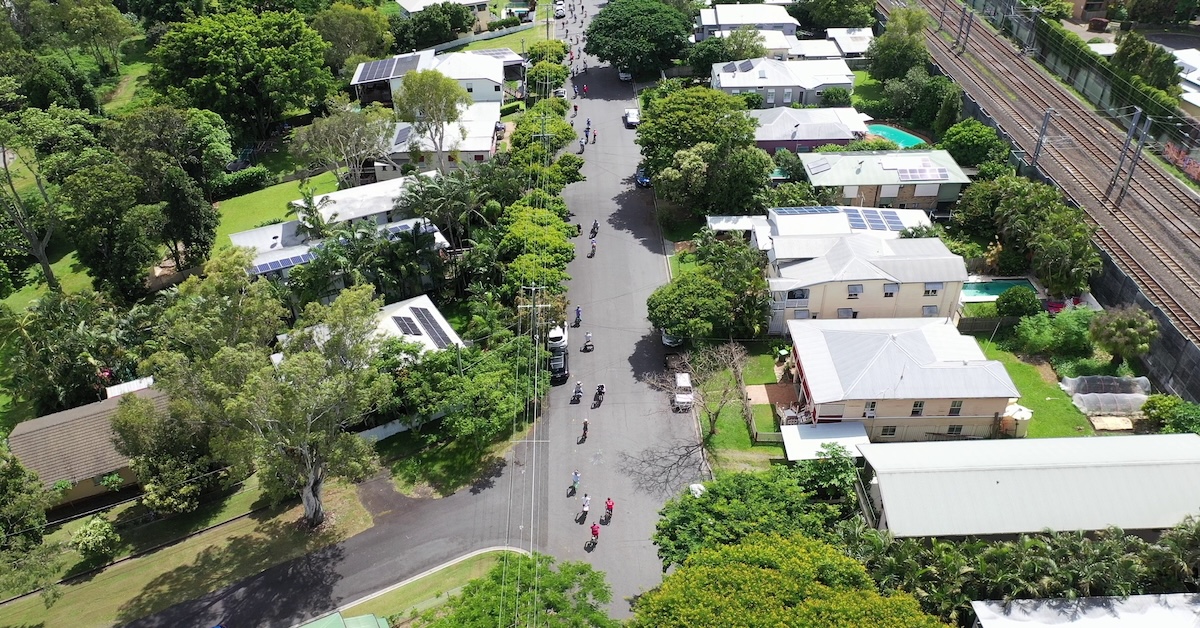
Clayfield sits at the centre of a safety concern that riders say stretches across Brisbane’s northside, after a key link in the North Brisbane Bikeway ends near Eagle Junction and pushes people on bikes into traffic and parked cars.
An online petition calling for safer cycling on Dickson Street drew 636 signatures before it closed on 26 March 2025. The petition lists its principal petitioner as a Wooloowin resident and focuses on the Clayfield–Eagle Junction area, where the protected bikeway is set to stop at Price Street.
It argues that many riders will still use Dickson Street to reach Eagle Junction station and other connections, but will be forced to ride between parked cars and faster-moving traffic. The petition asked Council to lower the speed limit from 60 km/h to 40 km/h and remove on-street parking along about 500 metres of Dickson Street.
They said the change would reduce the risk of collisions and improve safety for people traveling to Eagle Junction and nearby workplaces, including jobs linked to Brisbane Airport.
Why the Issue Reaches Beyond Clayfield
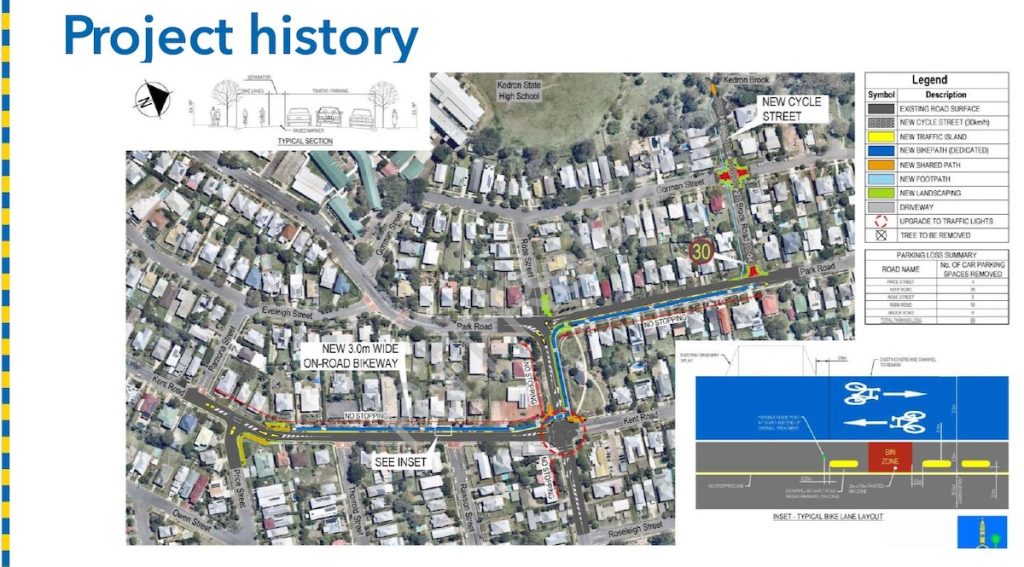
Although the petition focuses on a short section of road, the route it discusses forms part of a wider network used by riders travelling between suburbs. The petition describes how the North Brisbane Bikeway would be routed away from Dickson Street via Price Street, Kent Road and Brooks Street before rejoining the Kedron Brook corridor.
For people travelling through the area rather than living in Clayfield, the concern is that the most direct path to Eagle Junction can still run along Dickson Street, where riders say conditions feel less protected once the separated bikeway ends.
What the Working Group Supported
In a Facebook post dated 8 February 2026, the cycling advocacy group Space4cyclingbne said it had seen a 2024 Community Working Group report reviewing the alignment and design of what was intended to be Stage 5 of the North Brisbane Bikeway. The group stated that the working group supported building the missing connection by continuing north along Dickson Street after Price Street, through Eagle Junction, and then connecting to the Kedron Brook Bikeway via Jackson Street, with minor design changes suggested.
Photo Credit: Space4cyclingbne/Facebook
Brisbane City Council’s North Brisbane Bikeway Stage 5 project page confirms a Community Working Group met in early 2024 and later notes that broader community concerns were raised about the Price Street to Kedron Brook alignment after the working group ended. Council states it has discontinued work on that alignment and will return to a previous Kent Road-based concept that uses surrounding streets to connect to the Kedron Brook Bikeway.
What Residents Say They’re Still Waiting For
Space4cyclingbne said campaigners were disappointed construction did not proceed in 2025 and claimed some petition signatories had not seen a clear update nearly a year later. Council’s project page states responses to two petitions were endorsed by Council committees on 20 January 2025, while the petition page itself does not display a detailed public reply.
For locals and riders passing through the area, the practical issue remains the same: the protected bikeway currently stops at Price Street, and the route toward Eagle Junction is left to on-road conditions.
Photo Credit: Space4cyclingbne/Facebook
Community Interest Hasn’t Faded
The Brisbane North Bicycle User Group highlighted the petition campaign in a 2025 post, encouraging residents to support calls for safer conditions in the Dickson Street corridor, which it framed as a current local concern for riders. The group’s update is available at Brisbane North BUG.
With Council’s attention now on a different alignment, advocates have indicated a Kent Road connection could still add value, but they continue to argue that safety on Dickson Street matters for people trying to reach Eagle Junction and connect into the wider network.
Reports of shark sightings along Kedron Brook near Kalinga Park have prompted a community advisory shared online, cautioning people and pets to stay out of the water as a precaution.
Multiple community reports over recent days have described sharks being seen at different points along Kedron Brook, with the most recent sightings noted near Kalinga Park. The sightings were described as occurring in shallow sections of the waterway that are regularly accessed by walkers and dog owners.
Early warnings focused on dogs entering the creek, reflecting concerns about pets swimming in the water. The advisory was later broadened to include people, following reports that some individuals were also entering the creek.
A notice shared online accompanying the reports advised avoiding swimming in Kedron Brook until further notice. The warning was framed as a safety measure rather than an emergency response, encouraging caution while sightings continue to be reported.
No timeframe has been given for when the advisory may be lifted. The guidance remains in place for both humans and animals, particularly in areas where the creek is commonly used for recreation.
The exact species involved has not been confirmed. Earlier descriptions suggested the shark may resemble a blacktip reef shark, while others believed it could be a juvenile bull shark. These assessments were based on visual observations only. No expert identification has been published. Bull sharks are known to move between ocean and river systems and can tolerate fresh water.
Reports have acknowledged the uncertainty and stressed that the presence of any shark in a shallow, urban waterway warrants caution regardless of species.
Local Use Of The Creek
Kedron Brook flows through several northern Brisbane suburbs and is widely used as a shared recreational corridor, including off-leash dog walking areas near Wooloowin and Wavell Heights. Dogs are commonly allowed to enter the water, particularly during warmer weather.
Public information about nearby dog-walking areas already includes general cautions about water quality during stagnant conditions due to potential health risks for pets. The recent shark sightings have added an additional safety consideration for creek users.
While sightings continue to be reported, there has been no confirmation of how many sharks may be present or how long they may remain in the area. Until further updates are available, the advice remains to avoid swimming and keep pets out of the water along affected sections of Kedron Brook.