
Enderley Road Heritage Precinct: From Pineapple Farms to Clayfield’s Best Street

The Enderley Road heritage precinct in Clayfield has heritage homes that epitomise the alluring and enduring characteristics of well-designed houses from the 1890s to the 1930s. Did you know that the area was once a pineapple farm? Here’s a look back on how one of Clayfield’s best streets metamorphosed into the neighbourhood of choice of some of Brisbane’s most influential people over the years.

Oliver Jonker

Development started in Enderley Road upon its purchase by Deed of Grant around the 1850s. Properties were subdivided and sold for farming pineapple and producing dairy, or as a semi-rural retreat for privileged families.

Photo Credit: Nundah & Districts Historical Society Inc.

Stanley Hall

One of the first grand houses to be built on Enderley Road was Stanley Hall in the 1880s for produce dealer John William Forth, who had 10 children with his wife Selina. The Forths, however, lived in the house for a short period only following the death of one of their daughters and Mr Forth.

Stanley Hall
Photo Credit: Queensland State Library  

The mansion was turned over to Herbert Hunter, a family friend, pastoralist, grazier, and horse racing enthusiast. Stanley Hall appealed to him not only because of the house’s architecture but for its proximity to the racecourse at Eagle Farm. Mr Hunter did subsequent redevelopments to the house but he eventually sold the property to pastoralist and racehorse owner Edward Goddard Blume in 1910. 


Mr Blume subdivided most of Stanley Hall, with 4.5 acres going to the Order of the Sisters of the Presentation. The sisters built the St. Rita’s Convent on the land in 1926. Nearly a decade later, the sisters expanded and built a school that has thrived until today. 

Stanley Hall, now St. Rita’s College, is in the Queensland Government’s Heritage Listing

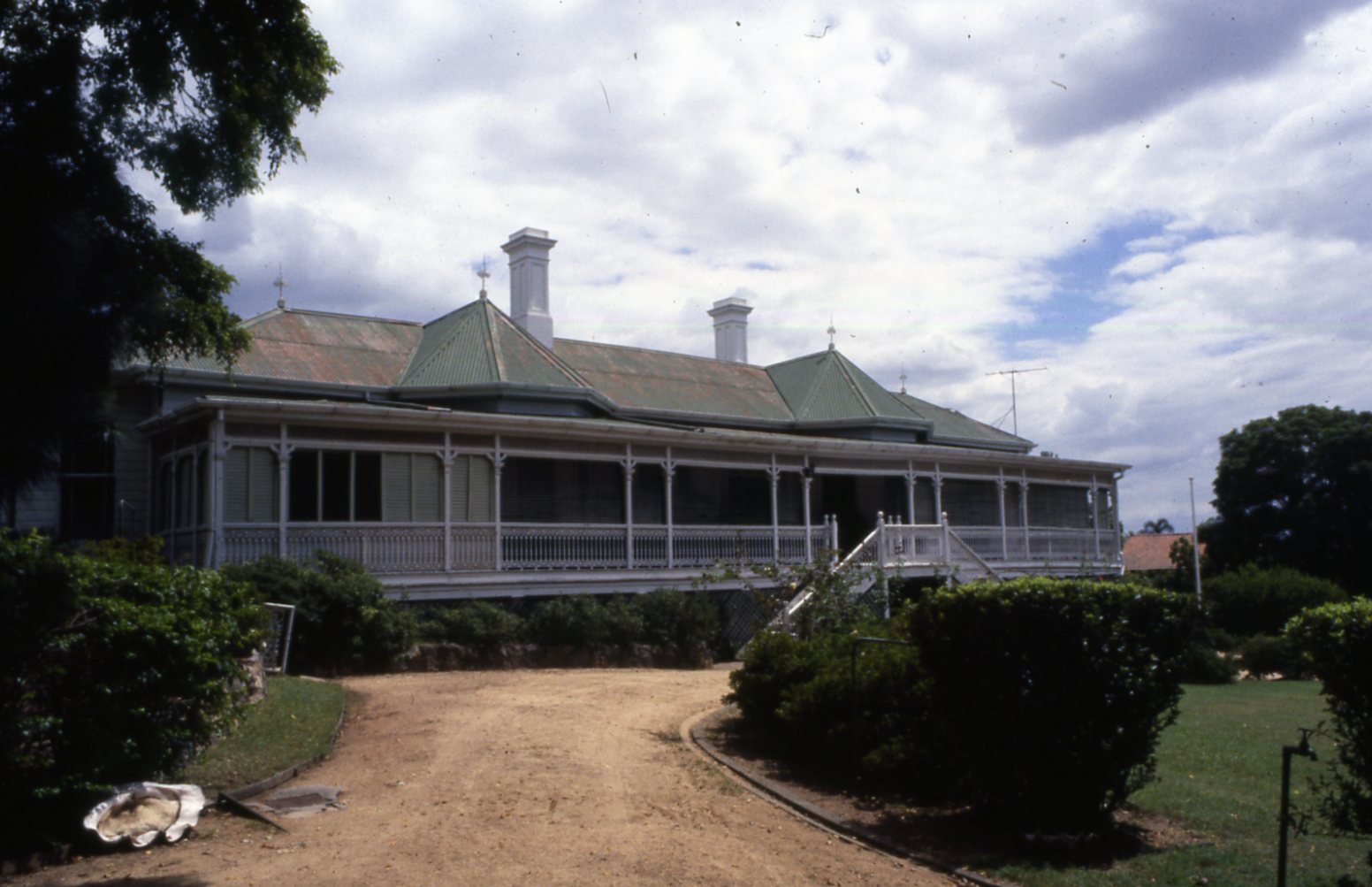
Ralahyne

Ralahyne on 40 Enderley Road was built in 1888 for Robert Gray, then the colonial secretary, by architect George HM Addison. Mr Gray, who became the Commissioner of Railways,  lived in the house until his death in 1902.

The home changed owners several times following the death of the public figure until Henrietta Watson bought the house in the 1920s. Ralahyne remained with the Watson family until 1985, when it was bought by private owners. 

Ralahyne is also in the Queensland Government’s Heritage Listing

Ralahyne
Photo Credit: Brisbane City Council Library

The Lynton house on 58 Enderley Road, constructed in 1918 for Gilbert Lees, covered three-quarters of an acre of the Ralahyne property. This land was further subdivided into blocks of houses in the 1950s.
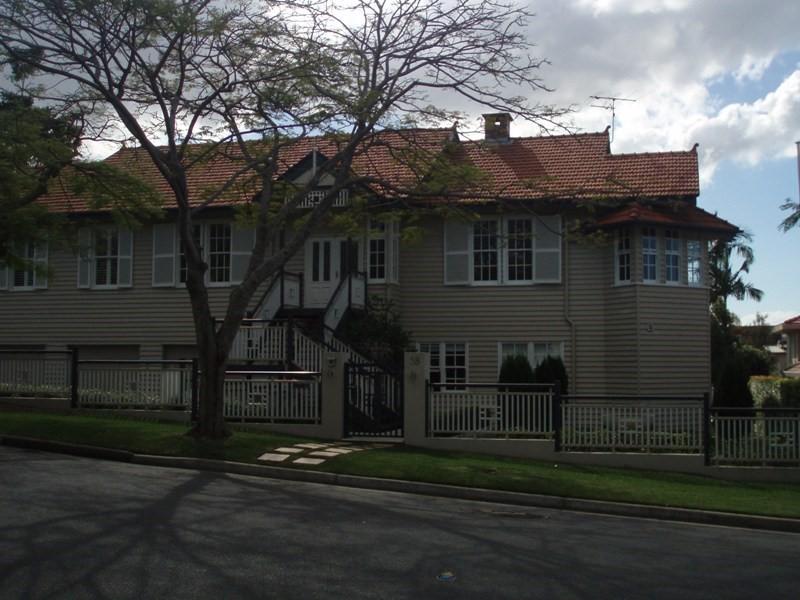
Lynton
Photo Credit: Local Heritage Places/BCC

Second Wave of Development

Aside from Stanley Hall and Ralahyne, three other properties stood out in Enderley Road in the early 1900s:  Huntington, Fortland, and Stanwraith but only the latter remained in the modern times. Stanwraith, constructed in 1901 on 32 Enderley Road, was the home of architect Montague Talbot Stanley, the son-in-law of Sir Thomas McIlwraith, a former Queensland premier. 

Stanwraith
Photo Credit: Local Heritage Places/BCC

By the 1920s, another wave of development washed over Enderley Road with Interwar houses like the Girrawheen, the Breffney, the Linstarfield, and its neighbouring houses.

The Breffney on 83 Enderley Road was owned by Mr and Mrs Hendry Drew. The Spanish Mission house was designed by prestigious Brisbane architects Hall and Prentice. It had a tennis court, a pool, a stucco garage, and heaps of tropical plantings.
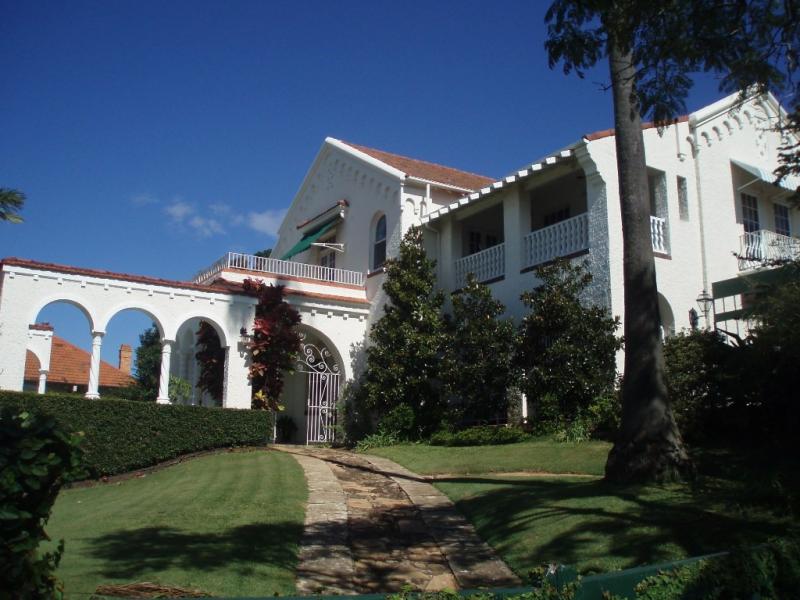
Breffney
Photo Credit: Local Heritage Places/BCC

Girrawheen

Girrawheen on 71 Enderley Road was built in 1923 for insurance manager James Milne and his wife Edna. This property was subdivided from Mr Blume’s land that surrounded Stanley Hall. The Milne family lived in Girrawheen until the 1950s.

In 1956, Sir Walter Campbell, a distinguished lawyer who went on to become the Chief Justice of Queensland and the Governor of Queensland, lived in Girrawheen with his family for three decades. The house went through many alterations during this period but the redevelopments generally retained the character of the Interwar home.
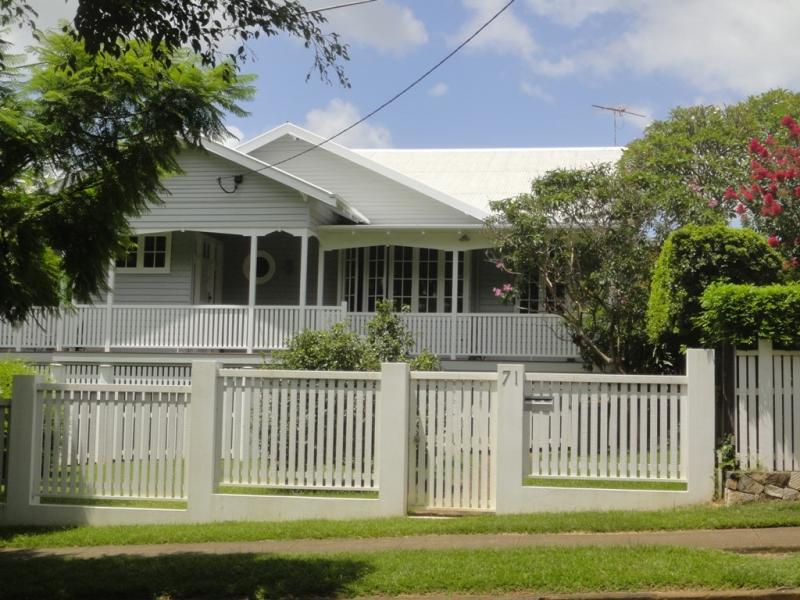
Girrawheen
Photo Credit: Local Heritage Places/BCC

Linstarfield

The Linstarfield on 64 Enderley Road is a Federation-style timber villa built for mine owner PD Rylance, whose son, Mervyn Rylance, grew up to become a prominent Brisbane architect. A few years later, the house also became the home of another wealthy mine owner, HG Noble, an active figure in Brisbane’s business and society gatherings. 
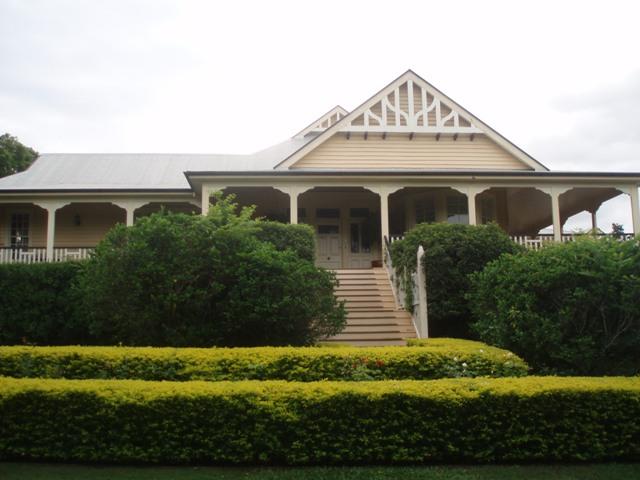
Linstarfield
Photo Credit: Local Heritage Places/BCC

Some alterations and demolition were done to the house through the years and into the modern period, whilst still maintaining its elegant and very recognisable architectural features.

Mr Noble’s wife, Agnes, purchased the neighbouring lots around Linstarfield that became vital to the heritage-listed precinct. During World War II, the grounds of the Linstarfield were used as a private air-raid shelter and were further subdivided as a family lot. 

Beside the Linstarfield is a modern house on 72 Enderley Road. The home is technically not part of the heritage precinct though its development has to be regulated by the Heritage Code.

Also on the former Linstarfield lot is the home on 82 Enderley Road, a house with a terracotta tiled roof. It was built for Mr and Mrs James Ernest Stewart. 
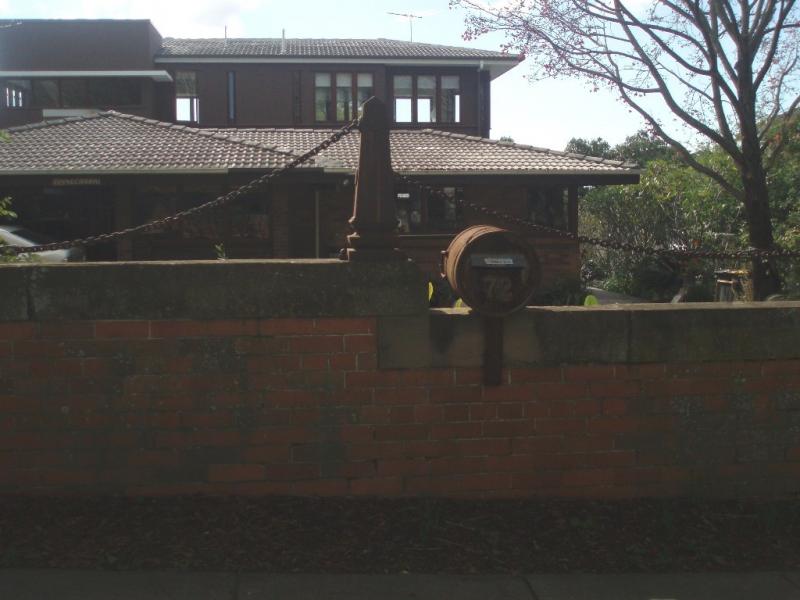
82 Enderley Road
Photo Credit: Local Heritage Places/BCC

The neighbouring house on 92 Alexandra Road is part of the heritage precinct because it contains part of the former Linstarfield wall and was erected in the 1920s. At least four more houses on Alexandra Road are part of the former Linstarfield wall and are also included in the heritage precinct listing.
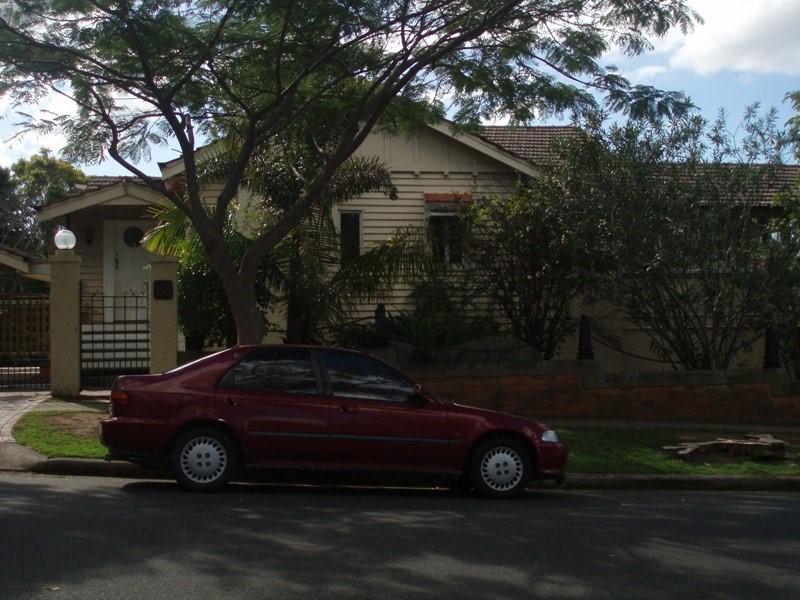
92 Alexandra Road
Photo Credit: Local Heritage Places/BCC

Camara, Delcotta & Fetlar

Camara, Delcotta, and Fetlar were also built in the 1920s and are considered integral properties to the Enderley Road Heritage Precinct. 

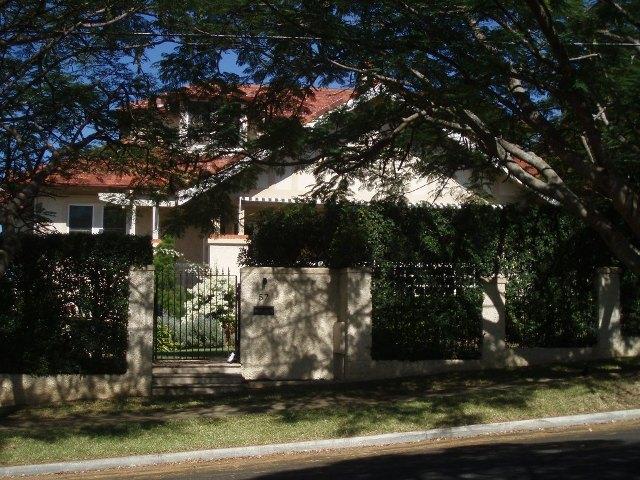
Camara, on 24 Enderley Road, is a timber house with a curved front verandah and was originally built for a draper, Cecil Bowerman.  Delcotta, on 19 Craven Street (formerly 51 Enderley Road), is a stylish Tudor home designed by influential Brisbane architect EP Trewern for the dentist A. Ure McNaught and his wife. Fetlar, on 57 Enderley Road, was constructed in 1923 for wool expert Mr Richard Baxter. The house stands out as a California bungalow.  
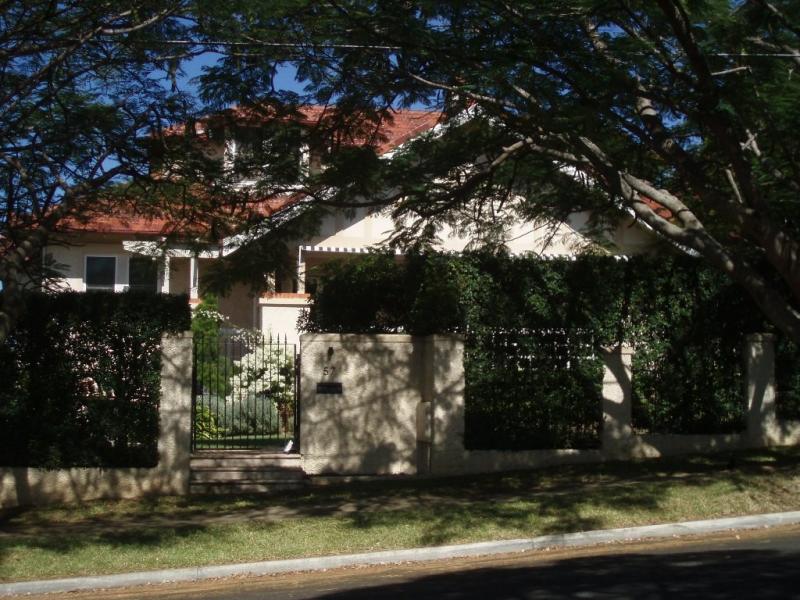
Fetlar
Photo Credit: Local Heritage Places/BCC


The Enderley Road Heritage Precinct was entered into the local heritage listing in 2011.

Today, Clayfield is a highly desirable suburb with generously sized properties in a neighbourhood that has an appealing family vibe and plenty of lifestyle amenities within easy reach. Local providores know people by name. Highly rated schools abound and areas like the Enderley Road Heritage Precinct provide a unique heritage appeal that gives people an enduring connection to the suburb’s roots.

Watch! Owner of Mamaku in Clayfield Featured in ‘Mother’s Table’ Documentary for BrisAsia Festival

Mie Mie Wing Kee, the owner of Mamaku in Clayfield, has been featured in a documentary special running at the BrisAsia Festival highlighting the inspiration behind her home-style Indonesian restaurant: her mum, Julia, 91. 


“Mother’s Table,” which will be running at the online-only installation of the BrisAsia Festival until 20 Feb 2022, follows three local restaurant owners as they talk about how the food they grew up loving shaped the culinary culture of Brisbane. Also featured in the special are Maggie Nguyen of Cafe O-Mai in Annerley and Taro Akimoto of Taro’s Ramen in the CBD. 

Mamaku, which means “mother” in Indonesian, is found along Sandgate Road in Clayfield. The restaurant offers street food fares commonly found in Jakarta, where Mie Mie’s mum and grandmother are from. 

Mie Mie recalls that she used to cook and serve the family’s fried noodle dish at weekend barbies back in Darwin and the guests would compliment by encouraging her to open a restaurant. But running a family restaurant, where Mie Mie’s mum also helped in the kitchen, came with some challenges. Despite this, however, the business expanded and thrived and now involves four generations of the family. 

Mie Mie was only 20 years old when she immigrated to Australia and then vowed to work hard so she could move her mother with her as well. She talks about her journey with her daughter, Angela, in the below video. 

The documentary feature on Mamaku is written and directed by Lark Lee and produced by Sounds Across Oceans for Brisbane City Council’s BrisAsia Festival 2022. 

Meanwhile, check out Mamaku’s menu online. The restaurant accepts online orders as well. Follow their Facebook page for updates.


“Best Indonesian style food in Brisbane likely the country. Cooked by cooking masters who have fined tuned their skills over an entire lifetime. Beautiful quality food and good pricing. Can I join the family please, surely that involves free meals?”

Daniel McLeod

“Went here for dinner tonight,  six of us,  ate like kings, took some food home as well and still had change out of $160. Hidden treasure in Clayfield. Very basic but clean and tidy.  Delicious authentic food, decent portions, friendly family, great customer service. Would highly recommend to anyone.”

Michelle Amurri

“Takeaway order was 100% correct and food, super tasty! Sorry, no photos, as it was eaten quickly. The Laksa reminded me of one eaten in Singapore. Brought back my travelling days!!”

Donna Smith

Clayfield: Revisiting the Historical Places That Made This Suburb Great

Let’s revisit the historical places and heritage landmarks that have helped Clayfield evolve from a mid-19th century settlement to the highly desirable suburb we know today.

Clayfield: What’s in a Name?

The suburb’s name was derived from the “clay fields” in the mining town of Albion, where large deposits of clay were transported to Hendra and the neighbouring suburbs for brickmaking. This industry was vital to the growth of the settlements in the north. 

With settlements dating back to the mid-1870s, the Clayfield community started with the opening of a Baptist church catering to Clayfield and Hendra.

From the 1870s to 1901, allotments of subdivisions and estates were advertised and auctioned off with Clayfield turning into a locale with heaps of large residences rivaling that of homes in Hamilton and Ascot, where the old rich also settled. 

Clayfield’s appeal was underpinned by its elevation and accessibility to the racecourse and central Brisbane.

North Coast Railway

Stages in the evolution of Clayfield were marked by houses or structures that reflected the suburb’s progress and development. One of the developments that greatly influenced the placement of houses in 19th-century Clayfield was the North Coast Railway.

The North Coast Railway opened in 1882 with a line running from Clayfield, Eagle Junction, and Albion. The post office opened the following year. It did not take too long after that before European families started to build houses in the area.

Ralahyne

One of the most notable homes that were established during this period is the heritage-listed property, Ralahyne (1888) in Enderley Road. The house was also called East View, Nowranie, Koojarewon, and Huntington as it changed owners. 

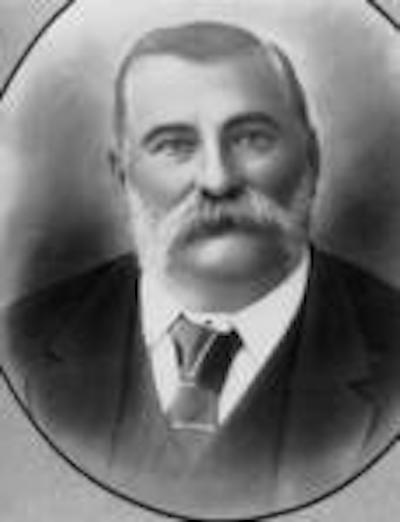
Clayfield resident Under Colonial Secretary Robert Gray
Under Colonial Secretary Robert Gray
Photo Credit: State Library of Queensland

The single-storey timber residence with iron roof stands on an eight-acre property that Under Colonial Secretary Robert Gray bought. George HM Addison designed the modest four-bedroom home, then known as East View.

The house had distinctive wide verandahs with cast-iron balustrading and frieze panels. On the north side of the house, the verandah opened to a large ballroom with dome ceilings and skylights.

Most of the rooms in Ralahyne had timber ceilings while the dining room featured moulded beams. The drawing room had a Carrara marble fireplace with two fluted columns. 

In 1904,  the firm of Halls & Dods renovated the house after Ada Laird bought the property from Gray. Three years later, Laird sold the house to Anne Millar and her family lived here until 1918.

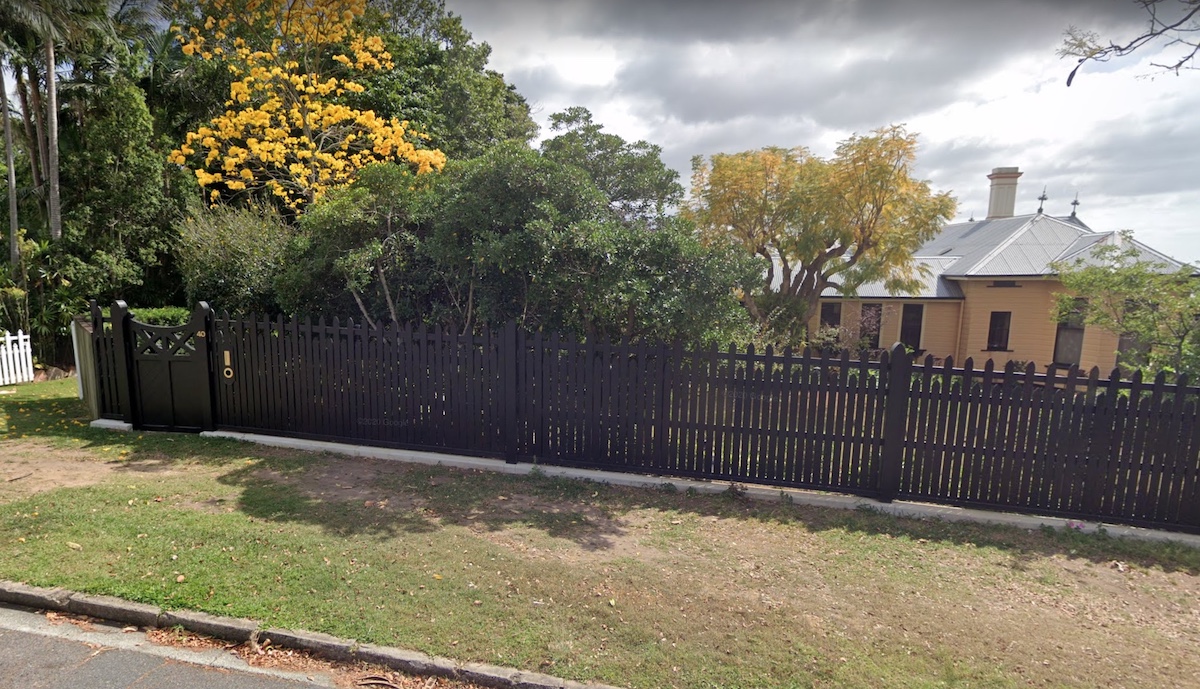
Ralahyne
A peek at Ralahyne
Photo Credit: Google Maps

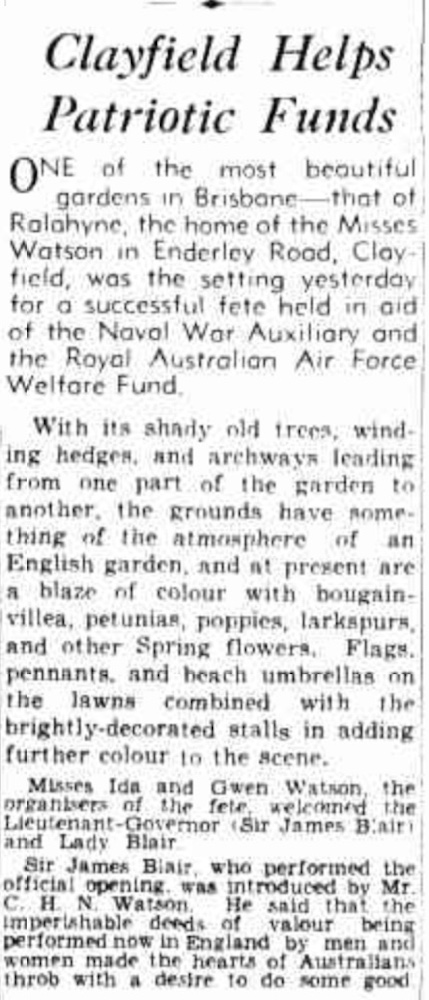
Ruby Winten owned the property until she sold this to Henrietta Watson, who renamed the house to Ralahyne.

Story on fundraising social in Ralahyne
Photo Credit: National Library of Australia

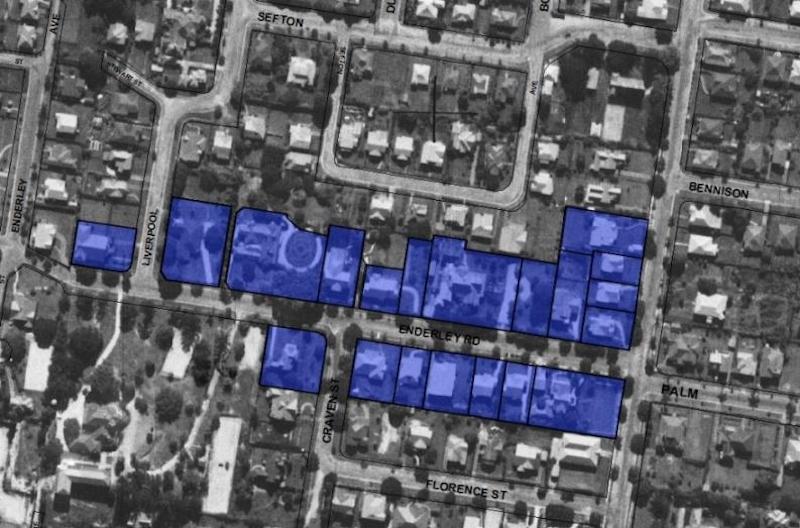
Enderley Road Heritage Precinct 

The Watson family owned Ralahyne until 1985, when its current private owners bought the place. The property was subdivided several times during the various phases of ownerships, forming what is known today as the Enderley Road Heritage Precinct.  

Enderley Road Heritage Precinct
Photo Credit: BCC

Clayfield and Ascot locals are proud of the homes in this precinct, including the surrounding street of Alexandra Road, for its aesthetic and historical value. Enderley Road became a model for historical architectural styles in Brisbane as the houses were designed by prominent architects and built during significant times in history — Federation 1890-1914, World War I 1914-1918, Interwar 1919-1939.

The housing styles in these prestigious locations included California Bungalow, Free Classical, Old English, Queen Anne, Spanish Mission. Aside from Ralahyne, the Delcotta house on Craven Street (formerly 51 Enderley Road) has been highlighted for its Tudor design. Delcotta was built around 1929 to 1930 for Mr A. Ure McNaught, a dentist, and his family. 

Delcotta House in Clayfield
Delcotta House, Clayfield
Photo Credit: University of Queensland Library

Incidentally, Clayfield has the largest concentration of Old English house designs in Brisbane at 18, followed by Hamilton (12), St Lucia (9), Ascot (8) and New Farm (6). Old English houses were deemed out of reach for the average Brisbane homeowners but some local architects believed it did not fit into the climatic and living conditions of Queensland. 

Fetlar, the California Bungalow, was designed by Chambers and Ford for Richard Baxter, who was regarded as a wool expert. He named the house Fetlar for his Scottish roots.

Fetlar House in Clayfield
Fetlar House, Clayfield
Photo Credit: BCC 

The Interwar house featured large hallways with spacious living and dining rooms. It has the classic elements of a housing style introduced in Australia around  1910, such as low pitched roofs with street-facing gables, roughcast rendering, and sleep-outs.
Baxter’s property was sold in 1965 to a private owner following his death.

Sandgate Road Electric Tram

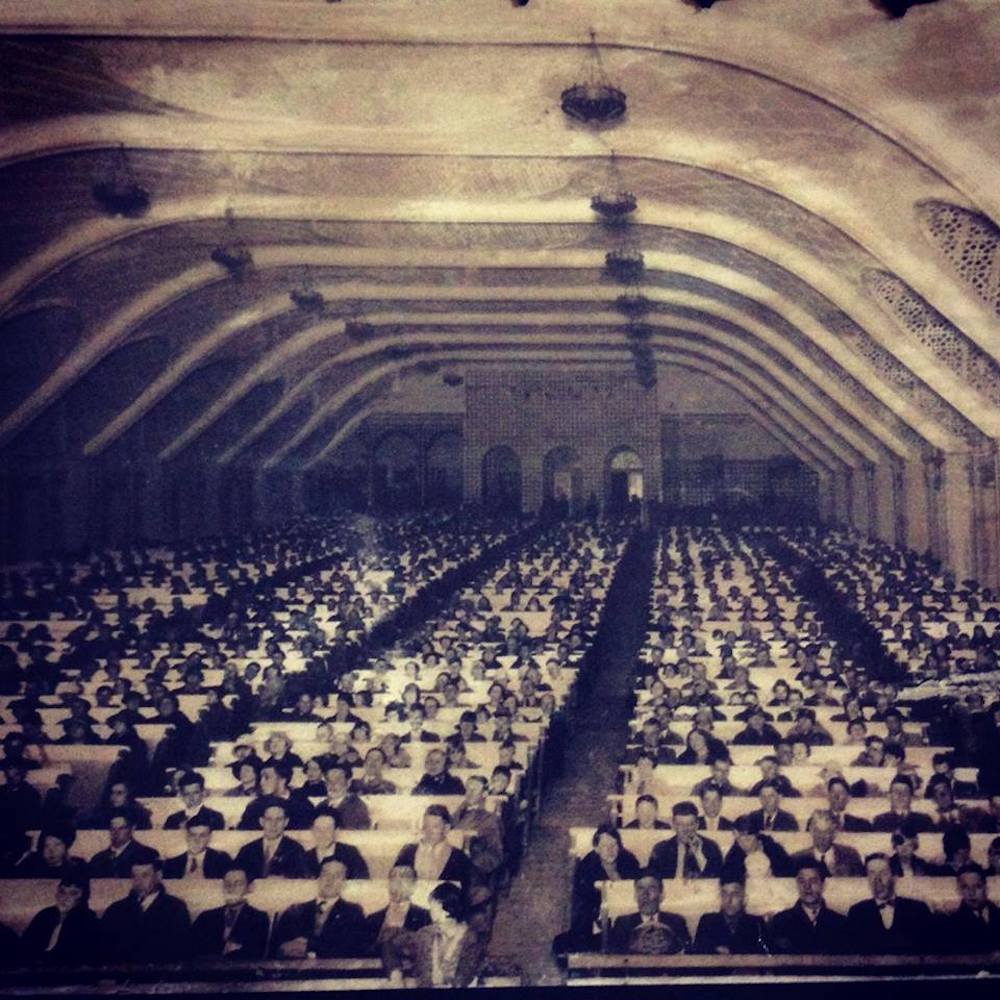
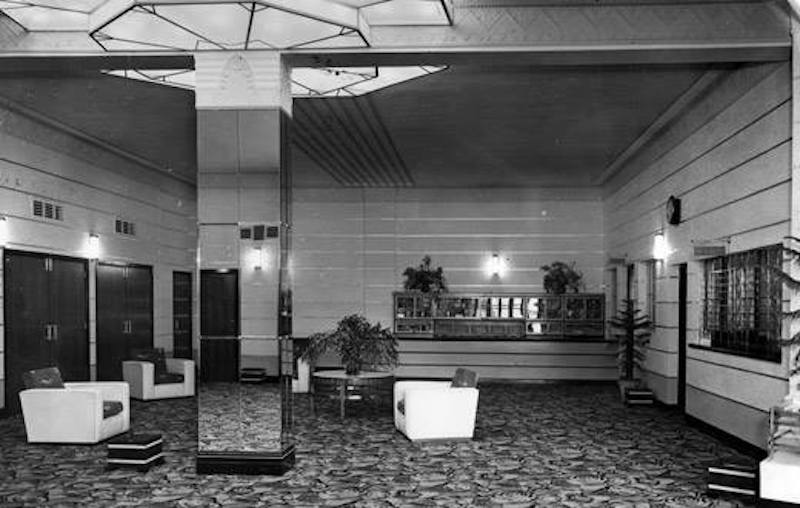
When the Sandgate Road electric tram opened in the early 1900s, Clayfield’s housing and building structures also flourished. Spanish mission-style buildings were becoming popular with the opening of the Savoy Theatre, which had a major art deco renovation in 1937. The building was characterised with bevelled glass mirrors and light fittings from sandblasted glass. 
Old Savoy Theatre in Clayfield
Inside the Old Savoy Theatre
Photo Credit: Lost Brisbane/Facebook
Savoy Theatre foyer
The foyer at the Savoy Theatre
Photo Credit: Lost Brisbane/Facebook

Unfortunately, Savoy Theatre ceased to exist in 1962, in the advent of the popularity of television at homes.

Clayfield Schools 

From 1895 to 1926, a boom in educational institutions defined the suburb, beginning with the opening of the Eagle Junction Primary School.

Brisbane Boys’ College (BBC), now known as Clayfield College, started operating in 1902. 

BBC moved to its present site in Toowong when the school community had outgrown the campus, allowing Clayfield College to open a primary school on the site, which was named the Somerville House. By 1935, Clayfield College established its secondary school followed by its boarding school a decade later. 

Clayfield College continued its expansion amidst the construction of the tunnels in Sandgate Road to provide access to the east of Brisbane. The school bought the former Turrawan Private Hospital and increased its boarding facility. 

Turrawan Private Hospital
Photo Credit: BCC

The heritage-listed Turrawan Private Hospital is a two-storey masonry building designed in the Interwar Georgian Revival style by prominent local architect Eric Percival Trewern. It was regarded for its high level of care. Matron Amy Olive Aitkin sold the hospital in 1971 but it continued to operate as intended until Clayfield College took ownership.

In 2023, Clayfield College will begin its transition to co-educational learning.


Meanwhile, other Anglican churches in the suburb also built their own schools, such as St Marks in Bonney Avenue, St Michaels in London Road, and St Rita’s College in Enderley Road. St Rita’s College was established in a former house built for produce dealer John William Forth and his wife Selina. 

Outside Stanley Hall in Clayfield
Stanley Hall
Photo Credit: Wikimedia Commons 

Stanley Hall, now a heritage-listed property, went through different stages of construction. Most of the building’s rich ornamentation was retained, including the elaborately detailed Dutch gables.

Inside Stanley Hall in Clayfield
Inside Stanley Hall
Photo Credit: Wikimedia Commons 

Stanley Hall has grand rooms with interlinked modest service rooms. The main entrance is marked by stained glass surrounded by a hibiscus motif, alongside a cedar staircase with carved balusters and fine timber panels. Stanley Hall also has free-flowing wrap-around verandahs. 

St Rita's College in Clayfield
St Rita’s College
Photo Credit: Wikimedia Commons 

In 2021, St Rita unveiled its new state-of-the-art Trinity Learning Centre.


By the 1970s, many of the suburb’s lavish dwellings, especially around Bayview Terrace were turned into units. Property prices rose when the shopping strips filled with essential businesses were established. 

For the 12-month period ending September 2021, Clayfield’s median house price sits at $1,380,00 and the median unit price is at $400,000, according to Property Market Updates


Upcoming Events for All Ages at Urban Xtreme in Hendra

Urban Xtreme, a top indoor sports centre in Hendra, has lined up some exciting events and adventures for all ages, including the extension of the school holiday programs to keep the children active and pre-occupied.


Extended School Holiday Programs

For a fabulous school holiday summer adventure, Urban Xtreme unleashed its special offer for kids, which consists of two hours of fun at the Adventure Park at $28 and an extra third hour for free.

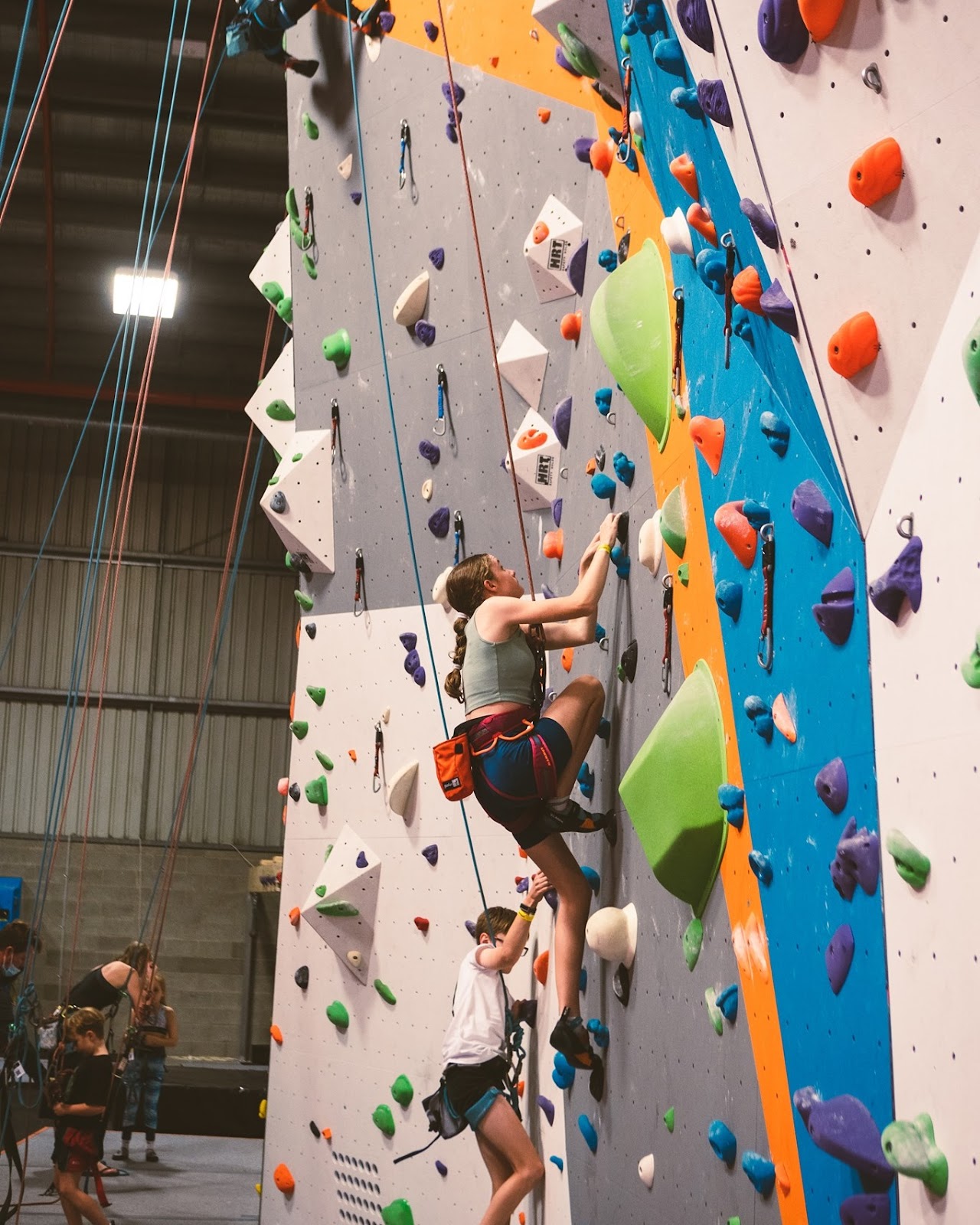
Because of the extension of the school holidays, Urban Xtreme will also continue with the supervised school holiday programs until Saturday, 6 Feb 2022. These programs consist of six hours of access to the  Ninja, Parkour, Rock Climbing, Trampolines, Launch Jump, Dodgeball & Laser Tag for kids between the ages of six to 14 years old. 

Meanwhile, all other events and workshops from four years old to 14 years old, such as the  Xtreme Ninja, aerial cross-training, rock climbing, snowsport, laser tag, and parkour will run as scheduled. The venue is committed to “spread fun safety” with increased daily sanitation, social distancing, and other measures to protect both guests and staff. 

Pinnacle Sports 2021 Queensland Lead Youth & Junior State Titles

On 29 and 30 Jan 2022, Urban Xtreme will host the Pinnacle Sports 2021 Queensland Lead Youth & Junior State Titles. Saturday will be reserved for Qualifiers Day with registration starting at 2:00 p.m. This event will run until 8:15 p.m. On the other hand, Sunday will be Finals Day and will start at 7:00 a.m. 

Photo Credit: UrbanXtremeAdventureSportsPark/Facebook

The Youth Lead Climbing Titles is open for the following age groups:

  • Junior (born 2002/2003/2004)
  • Youth A (born 2005/2006)
  • Youth B (born 2007/2008)
  • Youth C (born 2009/2010)
  • Youth D (born 2011 – 2014)

Singles Night and Womxn’s Night

The Single Rock Climbing at Urban Xtreme happens first Wednesday of the month. Also known as the Climb Singles Night, this is a social night for climbing and runs from 6:00 p.m. to 9:00 p.m. 

On the other hand, the first Thursday of the month is dedicated to the Womxn Climb Night. Learn to rope, lead routes, auto-belays, or race a friend on the speed-walls, whilst making new friends with like-minded women.  

For more updates about the adventure sports park’s events, follow their updates on Facebook.


“The staff are absolutely wonderful.  So kind and happy.  From Reception staff to the Kiosk to the activities staff they could not have been more lovely.”

Rosemary Sheen

“My kids have joined in a few different days for the school holiday program and have been having a blast. They have done some days with their siblings and some days with friends and they are really enjoying the different activities. Plus it tires them out for the rest of the day which is awesome! Thanks guys for having this fun activity during school holidays.”

Anika Hope

“Urban Xtreme provided my niece a great place to develop skills in a dynamic, safe, well-staffed and maintained space.  I wish this type of centre was around when I was a kid!  I really enjoyed the encouraging atmosphere of ‘give it a go’ that was scaffolded well by all the attentive and friendly staff.  Well done!”

ClareMarie Apelt

Clayfield College Upgrades Continue, Science Lab Now Being Updated

At Clayfield College, upgrades and building works continue, with the science laboratories now being updated, following the completion of a competition-size tennis court in mid-2021.


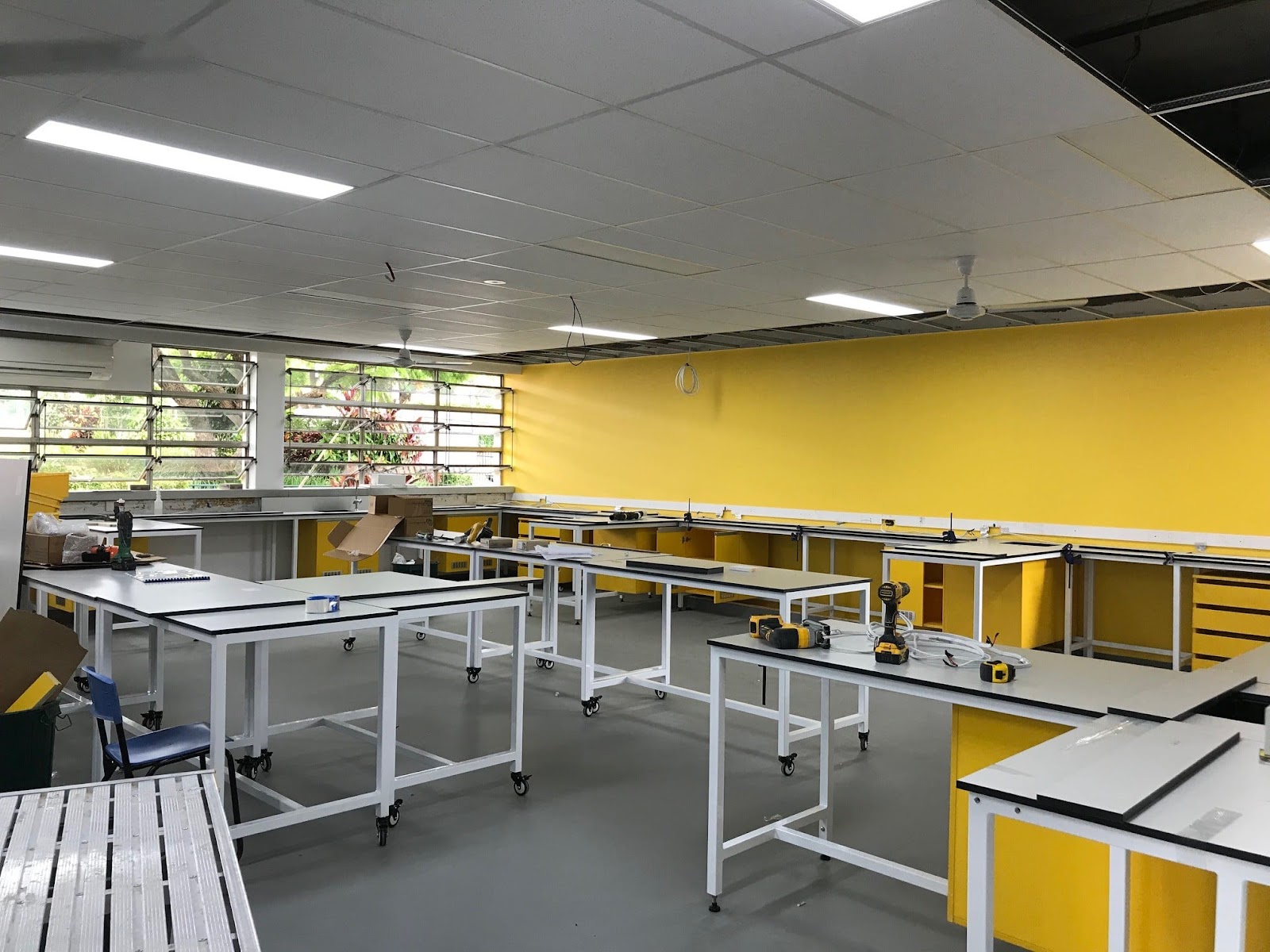
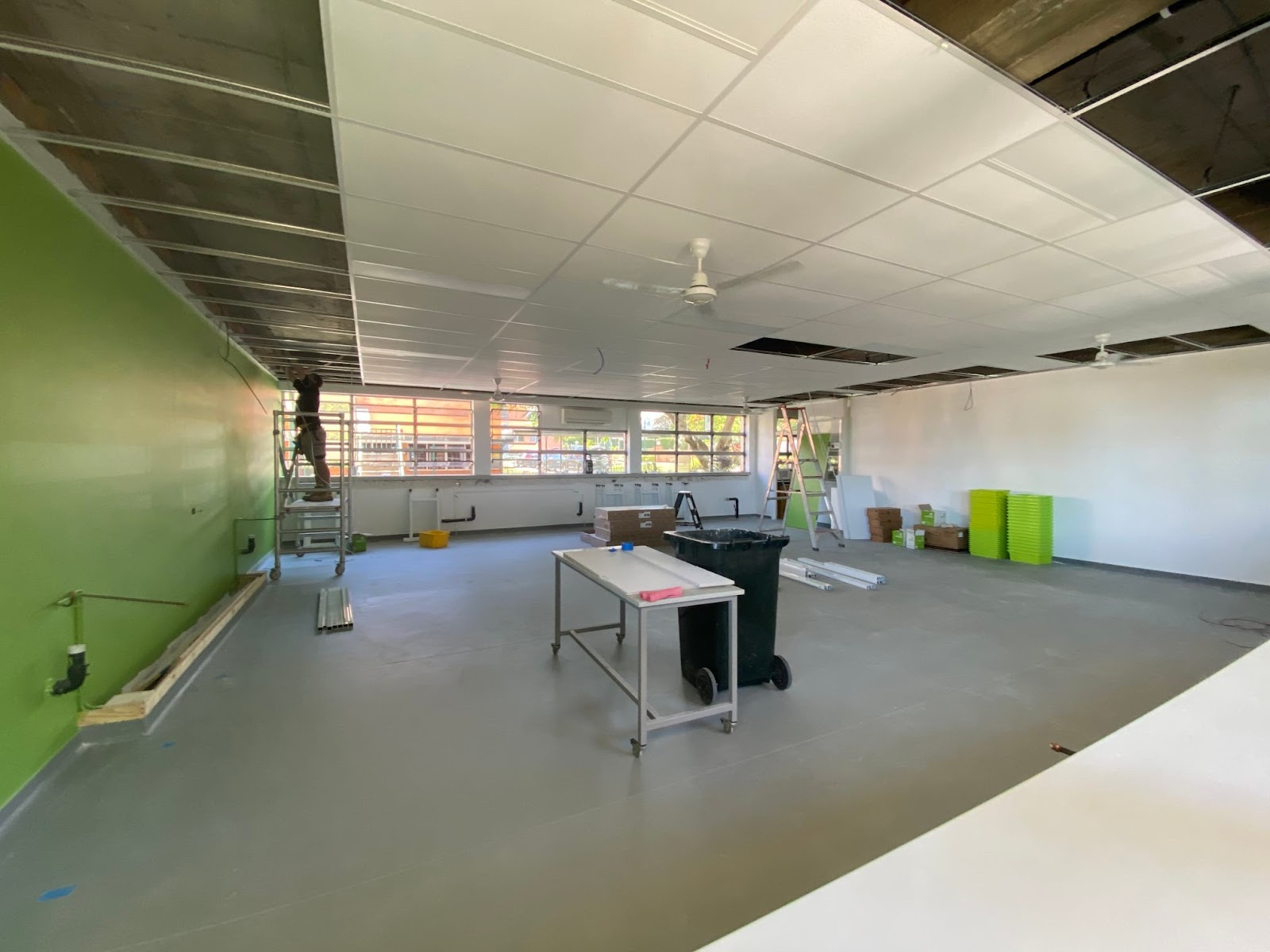
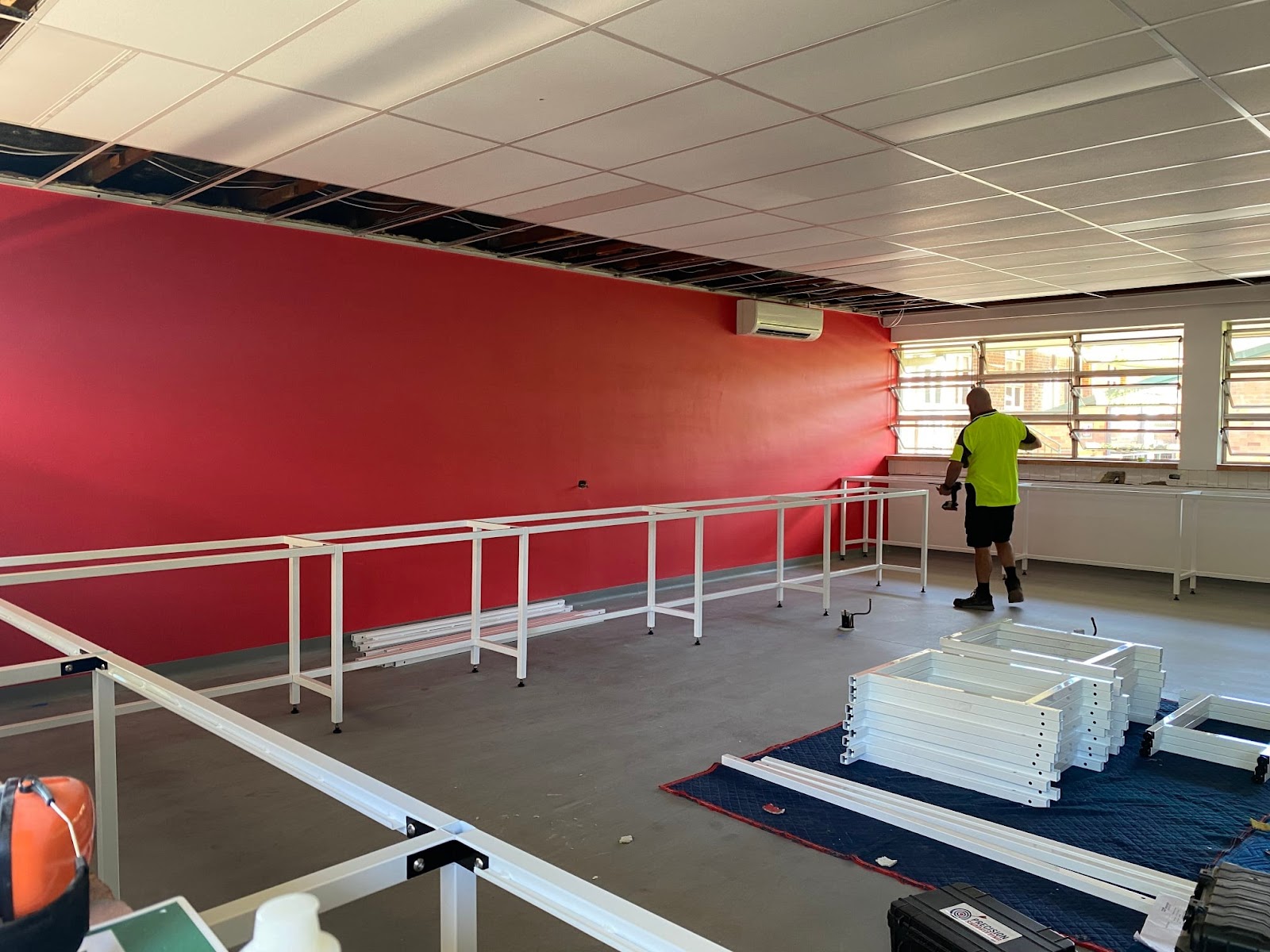
Work on the science labs started in mid-December 2021 with plans to paint each room with different colour themes. New furniture, cupboards, and equipment to match the upgraded rooms will also be installed before the new school term starts. 

Science lab upgrades
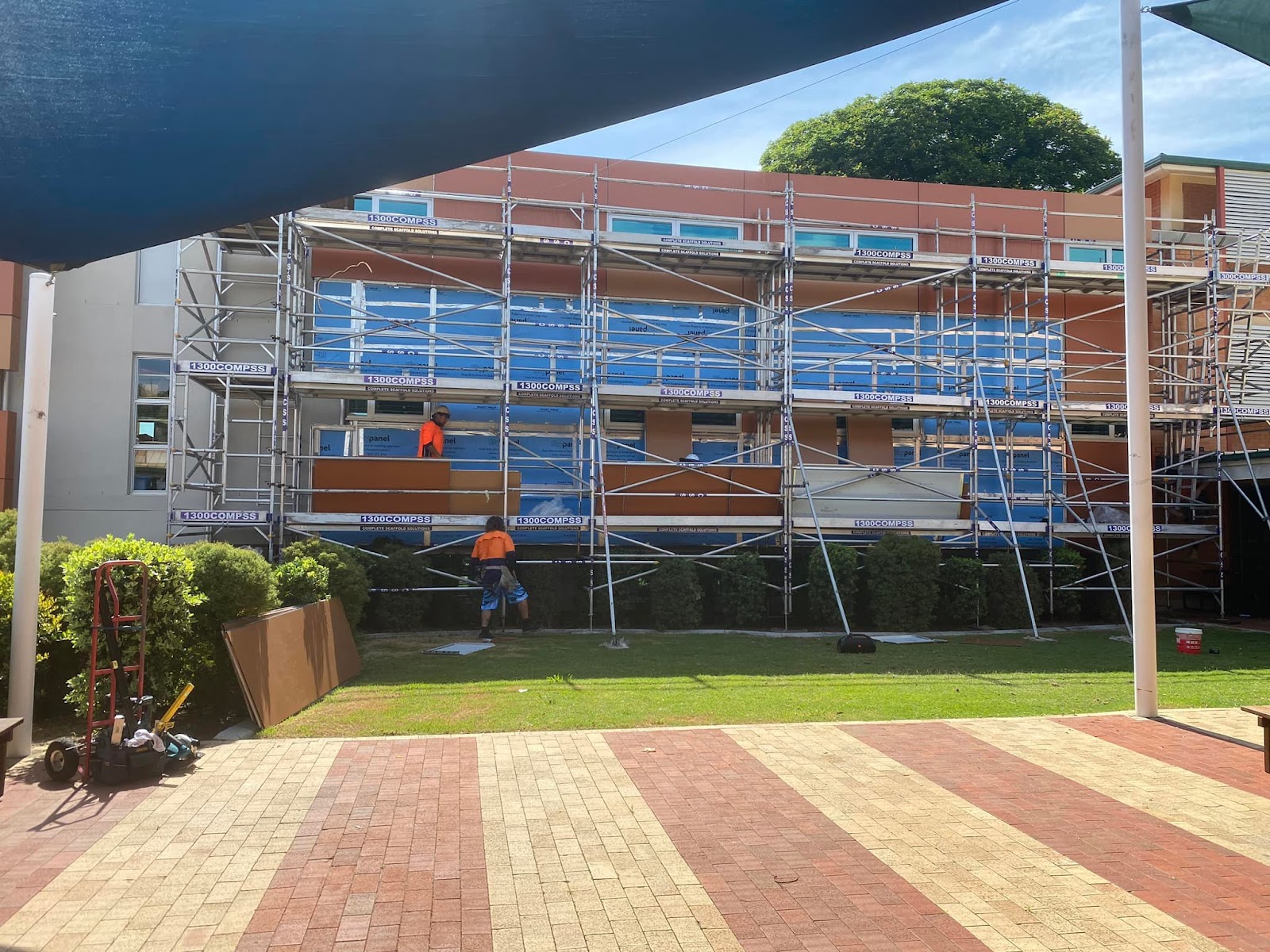
Installation of panels
Science lab upgrades

Whilst this is ongoing, MondoClad installation will also continue in the Year 7/8 Building. MondoClads are energy-efficient, low-maintenance solid aluminium panels that can withstand the harsh Australian environment. 

Clayfield College building work

According to Dr Andrew Cousins, the principal of Clayfield College, the campus refresh is expected to enhance student learning.

Apart from the new tennis court and the upcoming science labs, the campus also underwent a refurbishment of the Assembly Hall, and the welcome wall on Bayview Terrace last year.

The next phase of the renovation, set for the June/July 2022 school holiday, will include the demolition of the Whitesands Apartments, Vacant House and Maintenance House. 

“While these three buildings may be Clayfield College landmarks, they have reached the end of their useful life,” Dr Cousins said.

“Their removal provides a starting point to modernise and visually open up the campus. At this point in time, the areas left by the buildings will, for the most part, provide additional green space for our students.”


The campus refresh received support from the P&F Association and the Old Collegians’ Association and Foundation.

These upgrades come as Clayfield College is set to transition into a coeducational institution in 2023. Director of Corporate Services Director of Corporate Services Mr Dan Drewe also said that they school will be releasing a new Strategic Vision for 2022 to 2025.

“Building on our rich 90-year history, this will be a period of growth and development for our College, and we can’t wait to share this journey with our Clayfield family.”

Clayfield Property Market Maintains Strong, Robust Growth

Buyers, investors and savvy sellers are taking advantage of the strength of the Clayfield property market as the median house price shows another robust increase, rising 12.88 per cent to $1.38 million for the period covering October 2020 to September 2021. 


Highlights

  • From October 2020 to September 2021, Clayfield’s property market rose by 12.88 per cent with the median house price now sitting at $1,380,000.
  • The unit market’s rise has also been unstoppable with a 10.65 per cent increase with a current median unit price of $400,000.
  • Clayfield has been attracting a broad market of first home buyers, established families, single professionals, and investors or flippers, all competing for a slice of the strong and robust market.

House Price Growth

First home buyers, established families, and single professionals, along with investors and flippers, are competing for a slice of the Clayfield property market due to its attractive rates per land size, at least above 600 square metres, as these provide opportunities for the new owners to build their dream house or renovate and turn for a profit.

Thus, with the bustling market activity, Clayfield grew by 12.88 per cent within the said 12-month period with the median house price now at $1,380,000, according to Property Market Updates

Photo Credit: Property Market Updates

From October 2020 to September 2021, 165 properties were sold within an average of 55 days on market, where most buyers have been quickly snapping houses with three to four bedrooms.


In July 2021, a historical family residence spanning 2,226 square metres sold the highest for $5,800,000. Dubbed as the “Tarranalma,” this house, a Clayfield landmark, went on the market for the first time after 23 years after a quality restoration that kept much of its architectural features intact. 

Unit Price Growth

Clayfield’s unit market was also unstoppable, with an uptick of 10.65 per cent for the same period, with a current median unit price of $400,000. Young families wanting a foothold in a highly desirable location and retirees on the market for low-maintenance homes close to sought-after schools and essential shops were the heavy investors. 

Among the 271 units sold for this period, 167 were two-bedroom apartments. Apartment listings stayed an average of 50 days in the market. 

Photo Credit: Property Market Updates

About Clayfield

Clayfield belongs to the top 30 most liveable places among 260 suburbs in Brisbane, per a 2019 Domain Liveable Brisbane study. This northern location receives high marks for its public transport accessibility and affordability whilst still close to the CBD. 

With its tree-lined streets and plenty of green spaces, Clayfield offers a peaceful suburban lifestyle where families live in heritage-listed homes or modern residential blocks. This suburb has its own thriving cafe scene despite its proximity to popular dining hubs in New Farm and Teneriffe. 

Photo Credit: Google Maps


“Living in Clayfield…depends which part of Clayfield. But closer to Eagle Junction train station would be ideal if you rely on public transport on a daily basis for work etc. I mean, it’s serviced by quite a few bus routes too but not in some areas, more around Sandgate Road. If you live closer to the Albion side then I’d say it’s good distant from the city and a quick trip back from the valley on night outs.

Sam

“I’ve been in Clayfield for six years. Great space in my opinion, have lived up on Sandgate Rd but now down near Eagle Junction. Both are exceptionally convenient for work and travel with good public transport coverage and $15 (or less) Uber to the airport. I’d recommend trying to get a place near to EJ if possible just because it’s an extremely convenient train station (nine minutes to the city, express trains and access to almost every line). In saying that, it really depends on what you’re looking for. Clayfield in my opinion is a standard “upper middle class” suburb.”

Cathy

Alison Woodroffe Joins ‘100 Club’ as Carinity’s Newest Centenarian

Alison Woodroffe joined Carinity Clifford House aged care centre in Wooloowin as its newest resident in early 2021. A few months after, she turned 100 and officially became a member of Carinity’s 100 Club.


Born on 1 December 1921 in Ascot, Alison has witnessed the growth of Brisbane, from a city of 218,000 to one of over 2.8 million locals today. The middle child of drapery business owners Marion and Frederick Ash, Alison attended Ascot State School and Somerville House, ranking among the top five students in Queensland in the 1930s. 

After finishing school, Alison worked in a bank where she met her husband, Norm Woodroffe. They married in 1943 and were blessed with five children. They lived a long and happy life together, until Norm’s passing 62 years later.

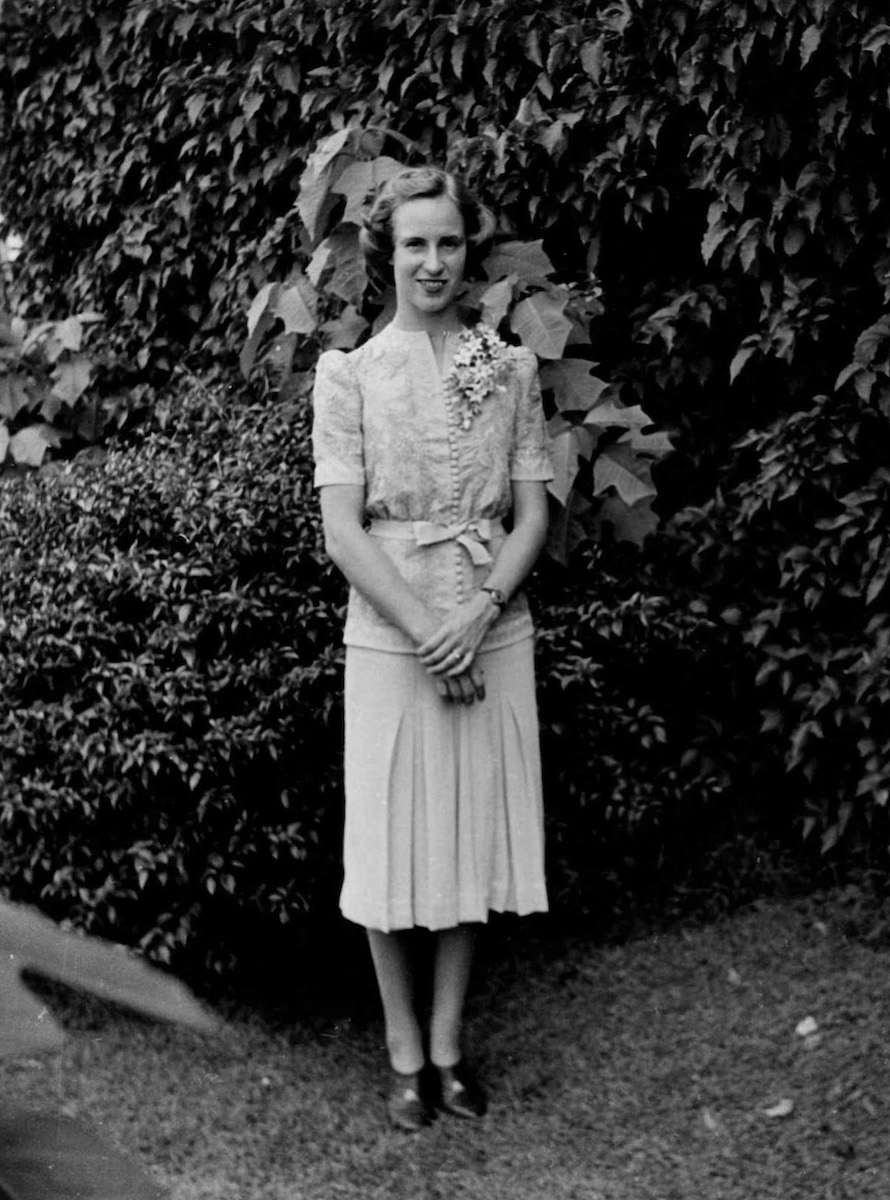
Alison Woodroffe pictured on her wedding day in 1943.
Photo Credit: Supplied

The Woodroffes travelled extensively overseas, visiting England, Ireland, Europe, Southeast Asia, North America, Japan, and New Zealand. Alison volunteered for Meals on Wheels, delivering food to seniors in need. Working in a charity thrift shop and knitting rugs for communities overseas were some of her other altruistic contributions.

In her young life, Alison was also a proficient tennis player and sprinter, and bowled to win tournaments with her husband in her 50s. After serving two terms as the president of the Clayfield Bowls Club, she retired from playing sports at 85 years old but took up a new hobby: competitive bridge. 

Alison Woodroffe pictured as an 18 year old in 1940.
Photo Credit: Supplied 

Her 100 years, however, were marked by a devasting loss during World War II as Alison’s brother, Ron, who was a Royal Air Force pilot, died during a mission in Germany in 1940. Her husband also enlisted in the infantry and had tours of duty in the Middle East, Papua New Guinea, Kokoda and Milne Bay.

Alison recalled that she frequented Wesley House in the city to serve breakfasts for soldiers on leave. She would then go to work before volunteering to make camouflage nets at Eagle Farm Racecourse in the evening and also helped run concerts to support the war effort. At that time, most household items and foodstuffs were in short supply and rationing was part of everyday living.


Having “seen it all,” Alison believes that her generation was one of the lucky ones. She explained that after marriage, women were not encouraged to stay in the workforce but were homemakers, allowing mothers and children much time together. Looking back, Alison believes she has led a full and happy life doing things she loves best and being with her family.

Alison is the third centenarian of Carinity Clifford House, after Ann Damen, 102, and Jean Clifford, 101. 

My Mistress Cafe In Clayfield Launches Bar And Takeaway Coffee Station

My Mistress, Clayfield’s popular all-day breakfast cafe, now has a fully decked-out courtyard that doubles as a bar and takeaway coffee station. 


Read: How Harris Farm Markets’ New Initiative ‘Re-Purposeful Picks’ Combat Food Waste Problem


Photo credit: Nathan/Google Maps

Grab your specialty coffee courtesy of Allpress Espresso during the day or if you’re not into caffeine, go for milkshakes, smoothies, and juices. Then in the evening, from Thursday to Saturday, the space transforms into a bar where you can sample locally produced and organic wines, alongside signature cocktails with an Asian spin.

Photo credit: Zhenyu Wang/Google Maps

Coinciding with the expansion, the cafe will be giving their breakfast menu an overhaul by launching a day-time alcohol line-up for a boozy brunch. On Fridays, Saturdays, and Sundays, get a chance to try the cafe’s heavenly donuts courtesy of Doughluxe Doughnuts.

Photo credit: My Mistress/Facebook

And if that isn’t enough, the new tapas and cocktail bar lets guests delight in their Japanese-fusion style share menu with choices such as wasabi-spiked guacamole with lotus root chips, pulled pork and kimchi croquettes, and slow-cooked lamb ribs.

Photo credit: baby Jiayou/Google Maps

My Mistress is open for dining in, takeaway, and delivery. A special car delivery service, which will allow patrons to order online at home and then go to the store and have their purchase brought straight to their car out front, is also on the cards.

To stay updated about My Mistress’ offerings, follow them on social media or check out their website for more information. 

My Mistress

Phone: +61 7 3256 0590

Facebook: https://www.facebook.com/mymistresscafe/ 

Instagram: @mymistresscafe


How Harris Farm Markets’ New Initiative ‘Re-Purposeful Picks’ Combat Food Waste Problem

Did you know that out of the 7.6 million tonnes of food that goes to waste in Australia each year, around 70% is still edible? Clayfield’s Harris Farm Markets tries to make something out of these potentially usable food items through ‘Re-purposeful Picks.’


Read: Harris Farm Markets’ Online Service Now Delivering to Brisbane


Re-purposeful Picks is a product range made from upcycling perishable food items into premium quality products with longer shelf life.

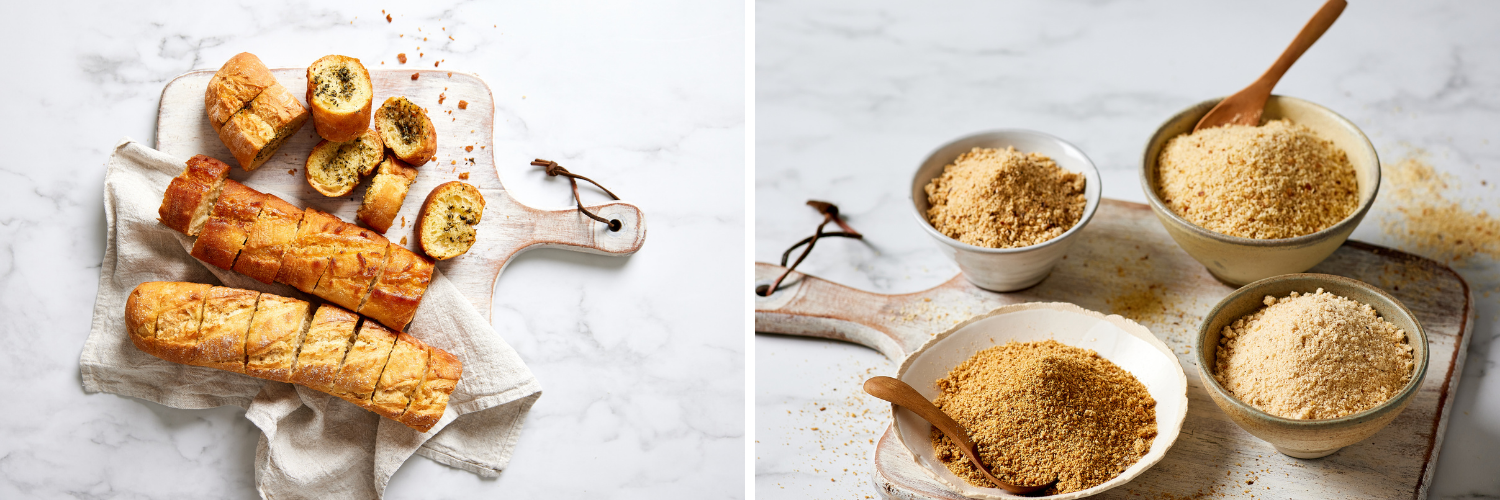
Beginning with over 30 products that are only available in-store, the Re-purposeful Picks range will extend the shelf life of items that would have otherwise been thrown away by up to two months. This includes upcycling fruit into smoothies, bread into breadcrumbs and vegetables on delicious pizzas. 

Bread upcycled into breadcrumbs (Photo supplied)

As food waste differs from store to store based on the daily shopping lists and consumption of customers, Harris Farm Markets has equipped each store with the facilities to repurpose its food waste in-house to create this new range of upcycled products.

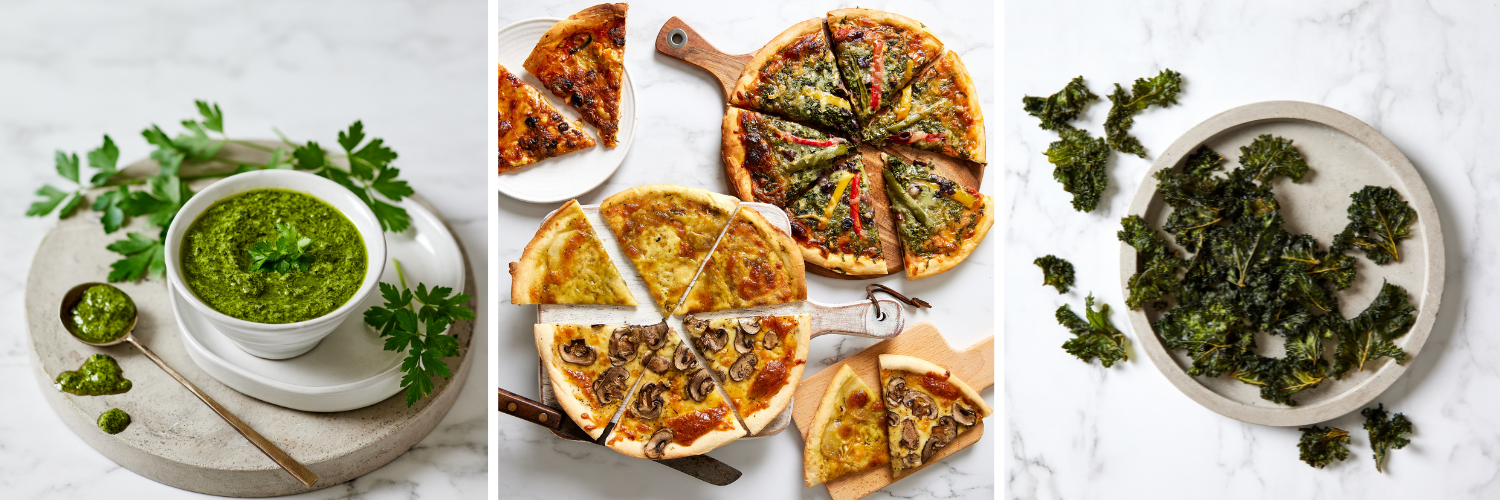
Vegetables turned into salsas, vegetable chips and pizza toppings (Photo supplied)

Harris Farm Markets Co-CEO Tristan Harris the Re-purposeful Picks range was created as a way for Harris Farm to take action at a store level to combat climate change, empowering each branch to reduce its daily food waste.

“Harris Farm has listened to the concerns of its customers about food waste in stores, and for more than a year we have been working on a way to make a meaningful impact without compromising our daily offering to customers,” he said.

“Through this new initiative, we will end up with less products on shelves that are nearing their expiry dates as items will be rotated sooner to create the Re-Purposeful Picks range. This means overall, we are creating longer life cycles to minimise food wastage across all 25 of our stores,” Mr Harris said.

Australia’s Food Waste Problem

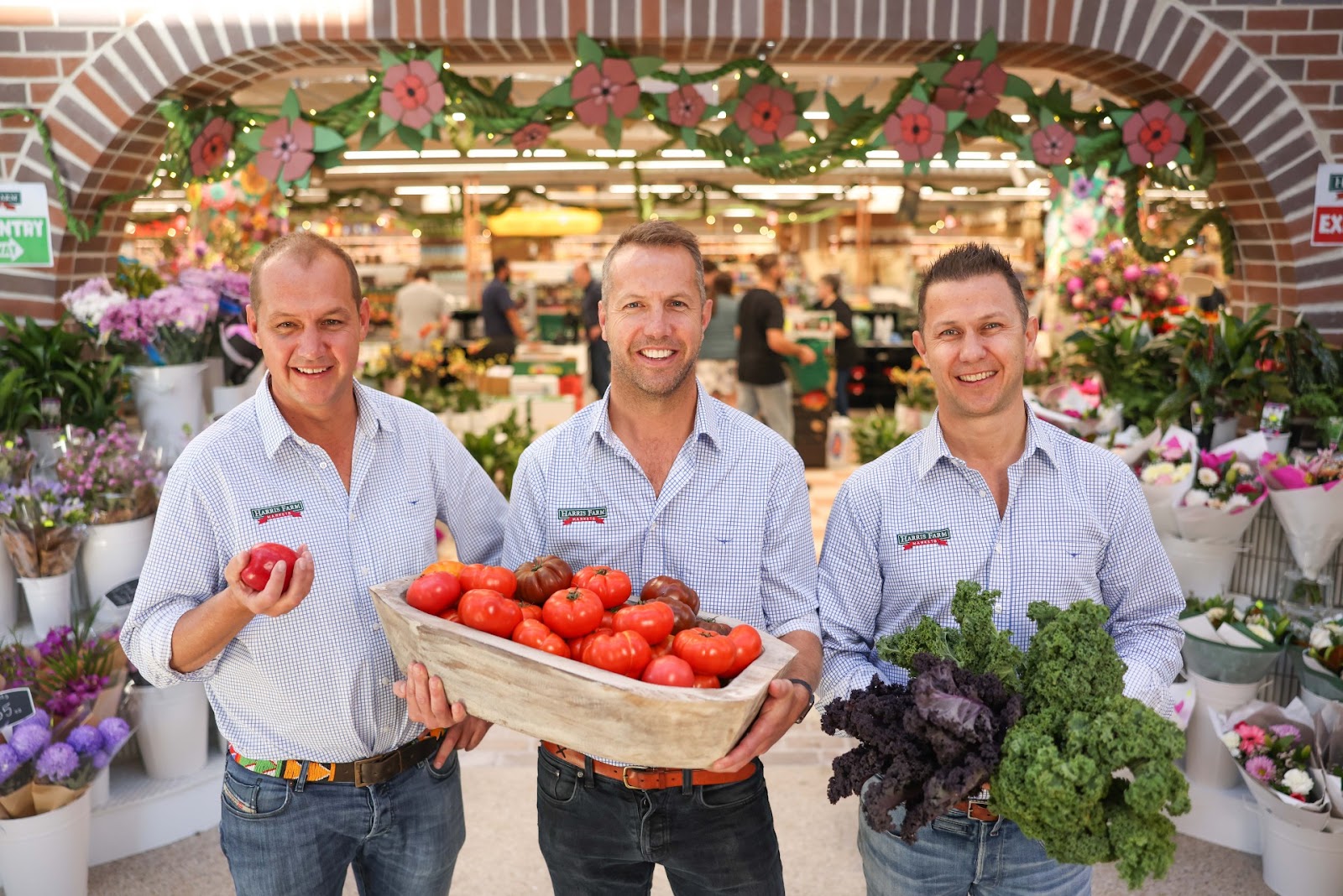
Luke,  Angus and Tristan Harris at the new West End store (Photo supplied)

Food waste costs the Australian economy more than $36 billion each year. The retail sector contributes more than 500,000 tonnes to this total according to the 2021 National Food Waste Baseline. 

Harris Farm has been a pioneer in the retail space for sustainable initiatives, being the first chain store retailer to ban the plastic bag at the beginning of 2018 as well as the first to challenge established food perceptions on fruit and vegetable with its Imperfect Picks range in 2014.

To date, Harris Farm has invested more than $16 million into its sustainability initiatives, which have collectively eliminated over 31,000 tonnes of food waste.

Libby Munro Launches First Bluegrass Hat Co Collection in Albion

Accomplished actress and NIDA graduate Libby Munro has launched her first collection of handmade hats under her new label, Bluegrass Hat Co. The Hollywood Collection was unveiled to more than 100 guests during a special event at Collingwood Black Espresso in Albion.


Ms Munro, the daughter of William David Munro, a fourth-generation cowboy west of Charleville,  has been known for her signature Akubra hat for most of her life. Whilst staying in Los Angeles in 2019, she was gifted a custom-made Meshika “Alberto” hat by her partner, Nick King, and designed this piece with all the hatband elements that fortified her creative experience.

Whilst stuck back home in Australia during the lockdowns, Ms Munro thought back to this custom-made hat. After getting in touch with milliner Brenda Treasure on the Sunshine Coast, Ms Munro trained one-on-one as a hat designer for six months during the pandemic. Out of this venture, Bluegrass Hat Co was born. 

Photo Credit: Supplied

It was her mother who blurted out the name “Bluegrass” whilst she was brainstorming ideas. After doing some reading on the origins of Bluegrass music, Ms Munro realised that it was a link to her long-deceased cowboy father.

Photo Credit: Supplied

Bluegrass Hat Co’s The Hollywood Collection features The Bogie, Eastwood, The Duke, The Pitt, The Monroe, The Blue Angel, The Bacall, and The Taylor, which are named after the actors who have inspired Ms Munro, as a cinema and theatre buff.

Libby also makes custom designs specifically to suit a person and personality, just like her experience with the Alberto hat during her time in Venice. In between her new hat business, Libby has been working on a project with Netflix. 

Order Bluegrass Hat Co handmade hats online and follow their Facebook page for updates on the next collection.