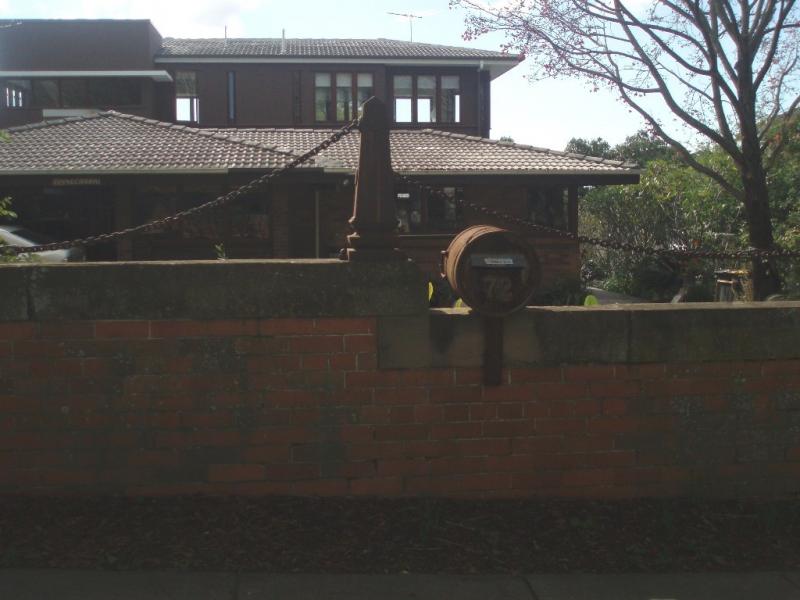
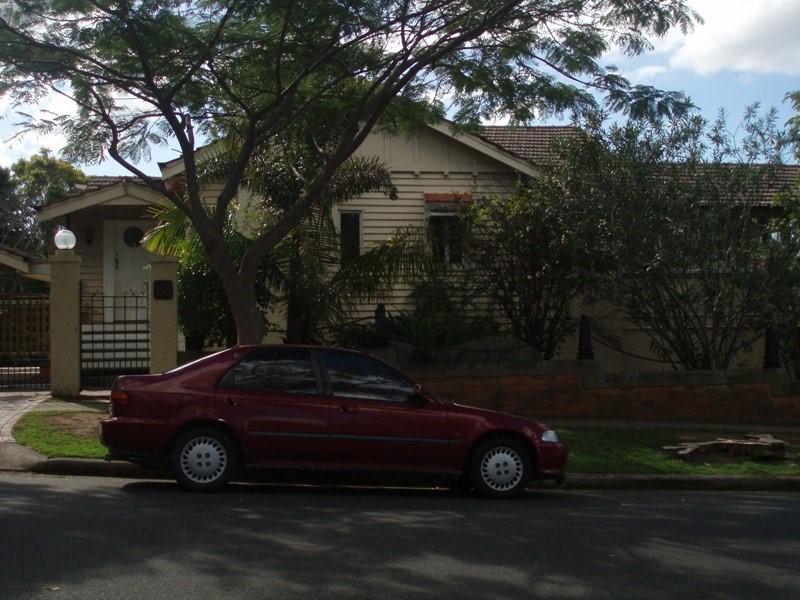
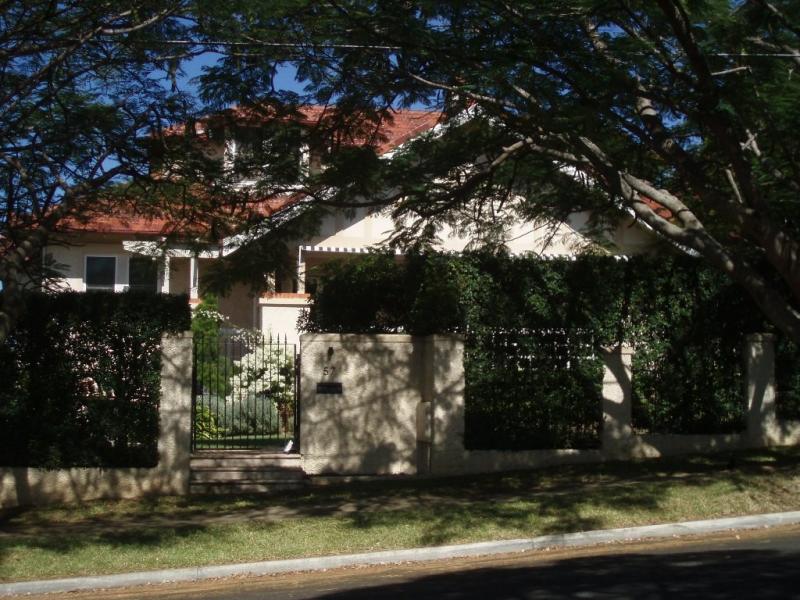
Along Junction Road stands a shop and former residence, one of the early 20th-century commercial buildings that demonstrate the development of commercial and retail services in Clayfield.
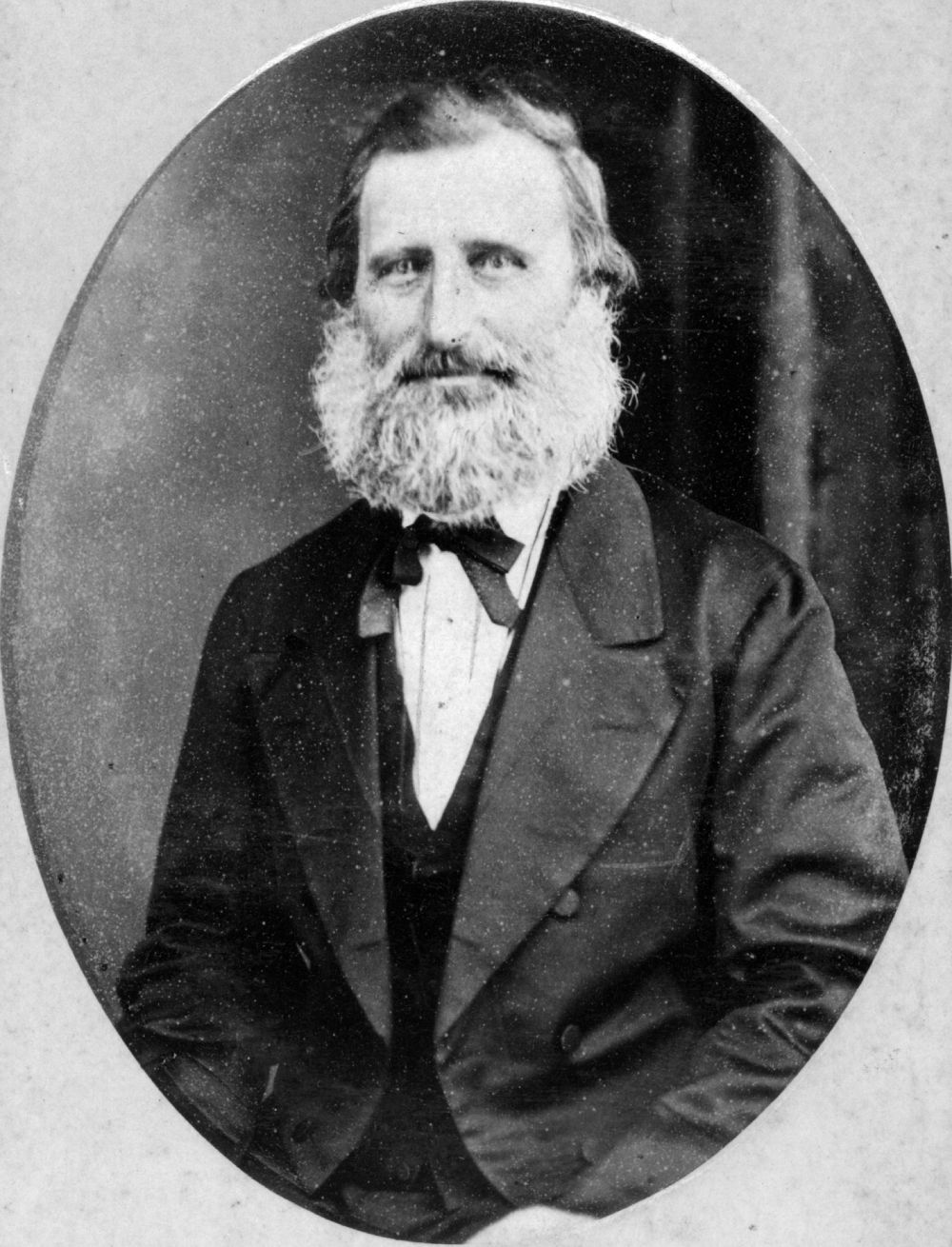
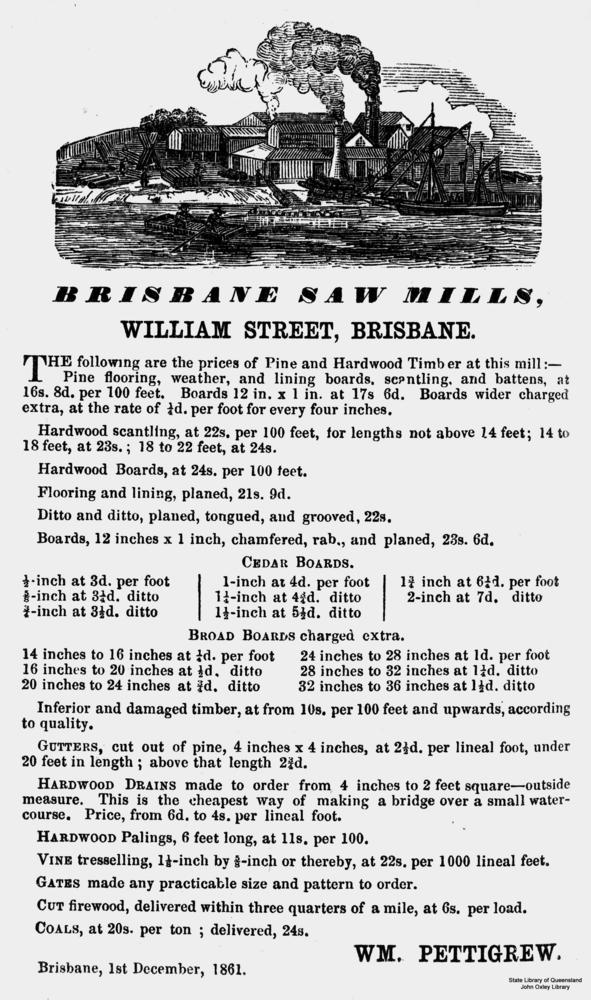
Originally, the land on Junction Road was owned by William Pettigrew, a 19th-century alderman and a former mayor of Brisbane. Prior to his life as a public servant, he was also a surveyor who managed a sawmill business, thus he was familiar with the quality and profitability of timber.
Photo Credit: Wikimedia Commons
When the railways opened, Clayfield attracted more residents as well as businesses. In the 1860s, his property on Junction Rd was sold and subdivided for residential and railway developments.
Photo Credit: Wikimedia Commons
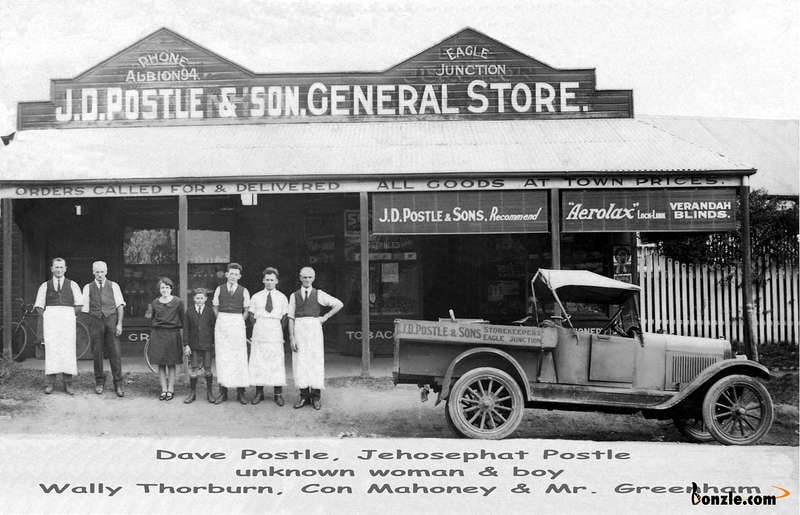
In 1920, the Hough family constructed a store with a residence along this site on Junction Road, which was close to the Sandgate railway station. Two years later, Henry and Lilias Greenham acquired the building from the Houghs. The Greenhams ran a grocery store but did not live on the property.
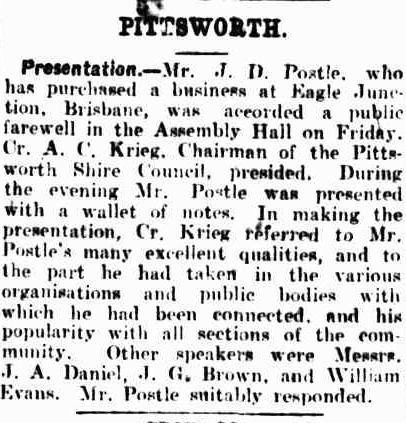
When Mr Greenham died in 1951, the site was sold to a new owner. By then the Postles had left Brisbane, except for Albert (the leftmost person in the photo), who established AV Postle Real Estate, which remains active to this day.
Photo Credit: NLA/Trove
After the Postles, the shop and residence became Lukey’s Groceries with a framing shop, owned by Ted and Bertha Lukey. They had a son who grew up in the area, went to the Eagle Junction School, and served in the war.
The shop and residence was also the home to the first outlet of Margaret Woodcarft Cheesecake. In the ’60s, the site was a barbershop operated by Trevor Mellit. In the ’70s, the shop and residence became an antique store managed by Kerry Murphy.
The building became a restaurant in the 1980s until Queensland Rail acquired the property. In 2012, the site was sold for $650,000 to its new private owners.
In 2015, the shop and residence became the Wooden Horse Restaurant & Bar owned by siblings Dane and Morgan Hoey. The establishment is known for its brick oven pizza and has continued to operate post-pandemic.
The site was entered into Brisbane’s Local Heritage Places in 2005 for demonstrating the evolution of commercial services in Clayfield. The building is also cited for its use of early 20th-century traditional timber and corrugated iron roofing.
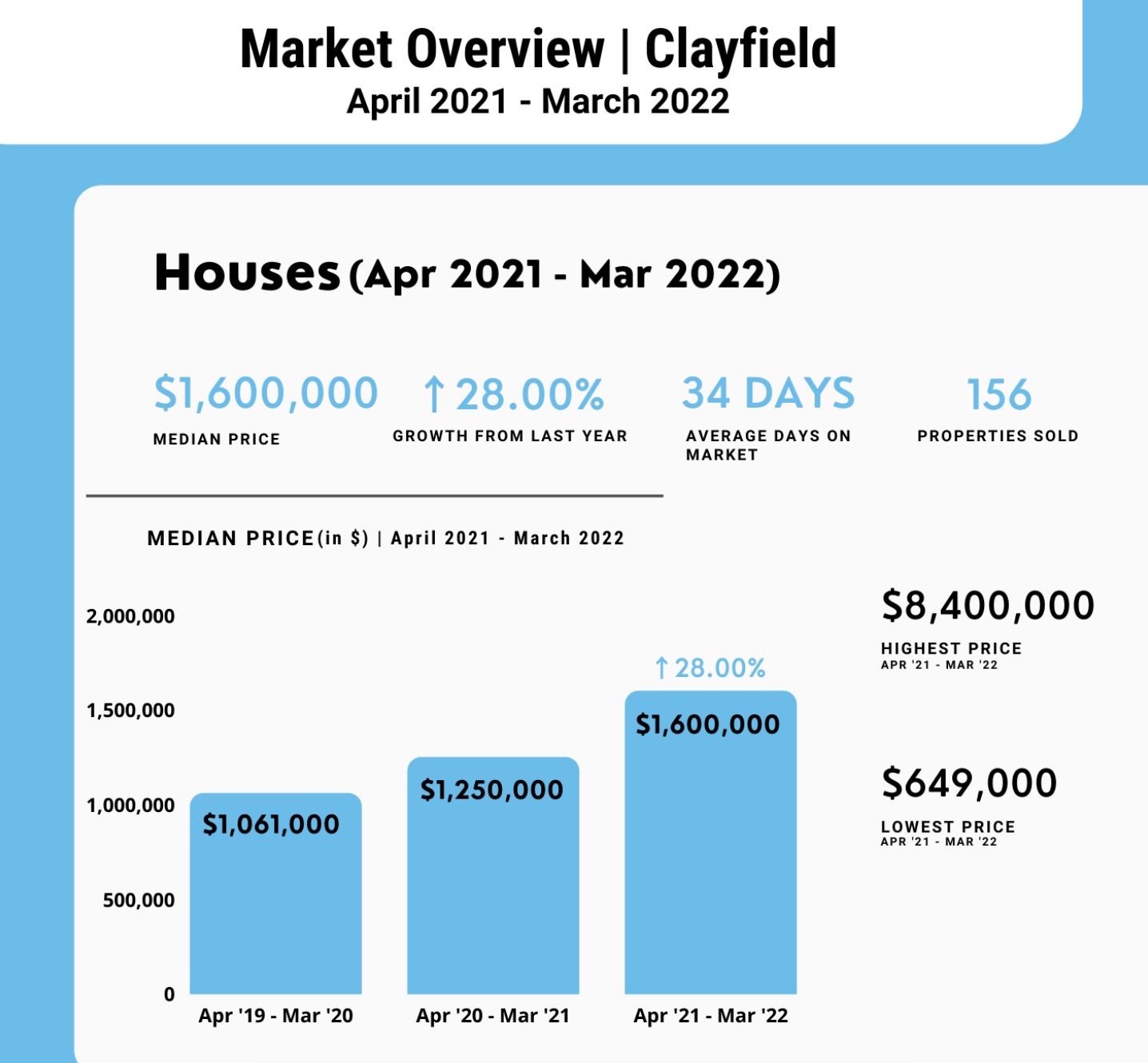
Rain and flooding across many suburbs of Brisbane did not quite dampen the Clayfield property market, which showed a 28 per cent median house price growth in the 12-month period ending Q1 2022, amidst strong demand and renewed interstate and overseas buying activity.
Clayfield’s median house price continues to trend upwards, reflecting a 28 per cent growth for the period of April 2021 to March 2022. According to Property Market Updates, Clayfield’s median house price is now at $1.6 million, up from $1.25 million in the previous 12-month period.
For this period, 156 properties were successfully closed within an average of 34 days on market. Three-bedroom homes sold the fastest at less than a month average time on market.
A mansion on Union Street with over six rooms closed a record-breaking deal for a high price of $8.4 million. The buyer is said to be from overseas but the border’s reopening is bringing cashed-up expats back home who are ready to invest in the property market.
Alongside these affluent buyers, however, are a lot of frustrated buyers who have missed out on opportunities to snag their dream homes in the Clayfield property market, amidst stiff competition.
Clayfield Unit Price Growth
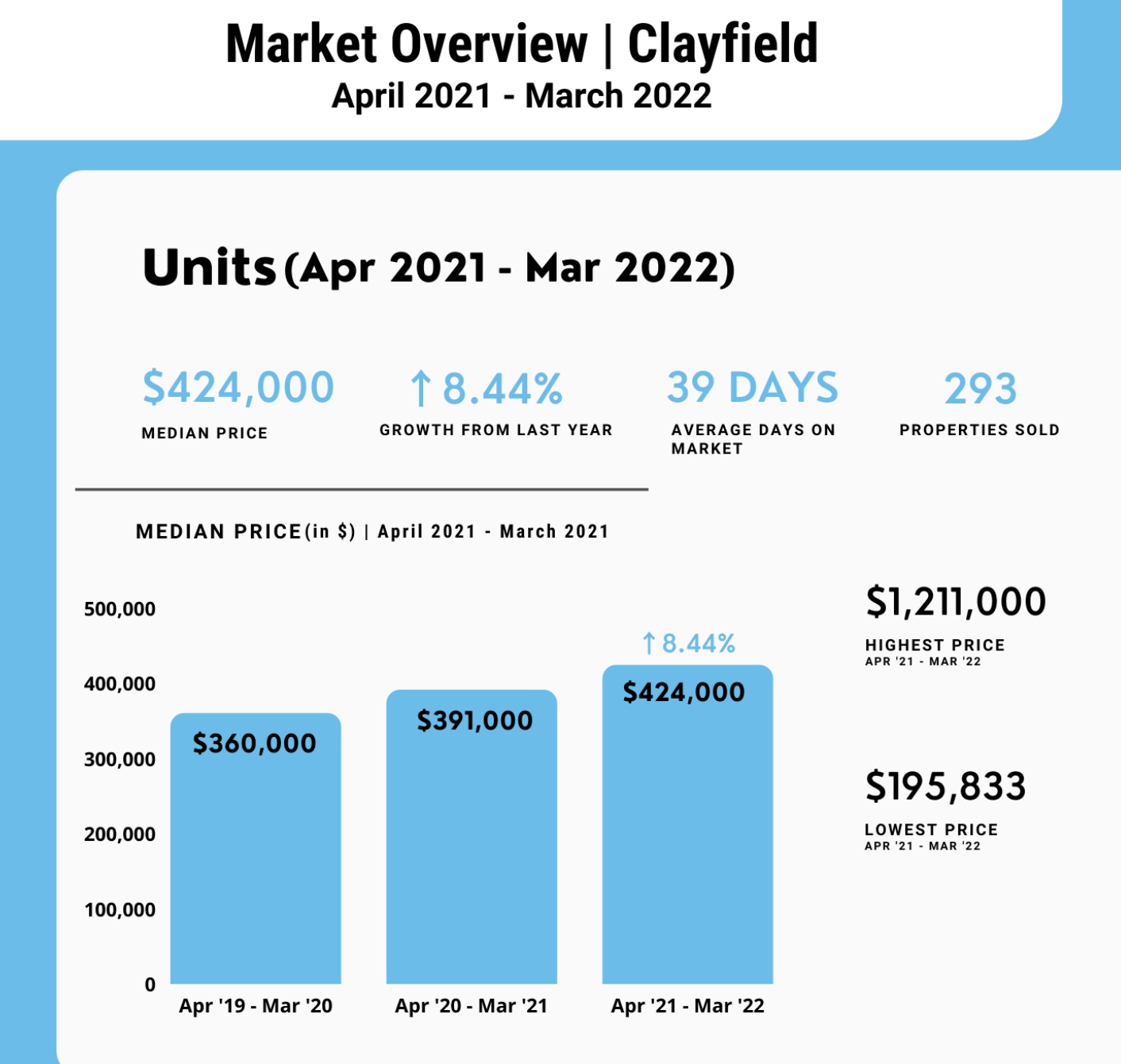
The unit market in Clayfield has also been tracking upwards, with an 8.44 per cent increase observed from April 2021 to March 2022. The median unit price is at a comfortable $424,000. This is still quite affordable for first-home buyers looking to buy into a prestige suburb.
About 293 units were sold during this period at an average of 39 days on market, per figures from Property Market Updates. The majority of the buyers hunted and closed deals for two-bedroom units in desirable Clayfield streets, which means that the properties will grow in value over time.
About Clayfield
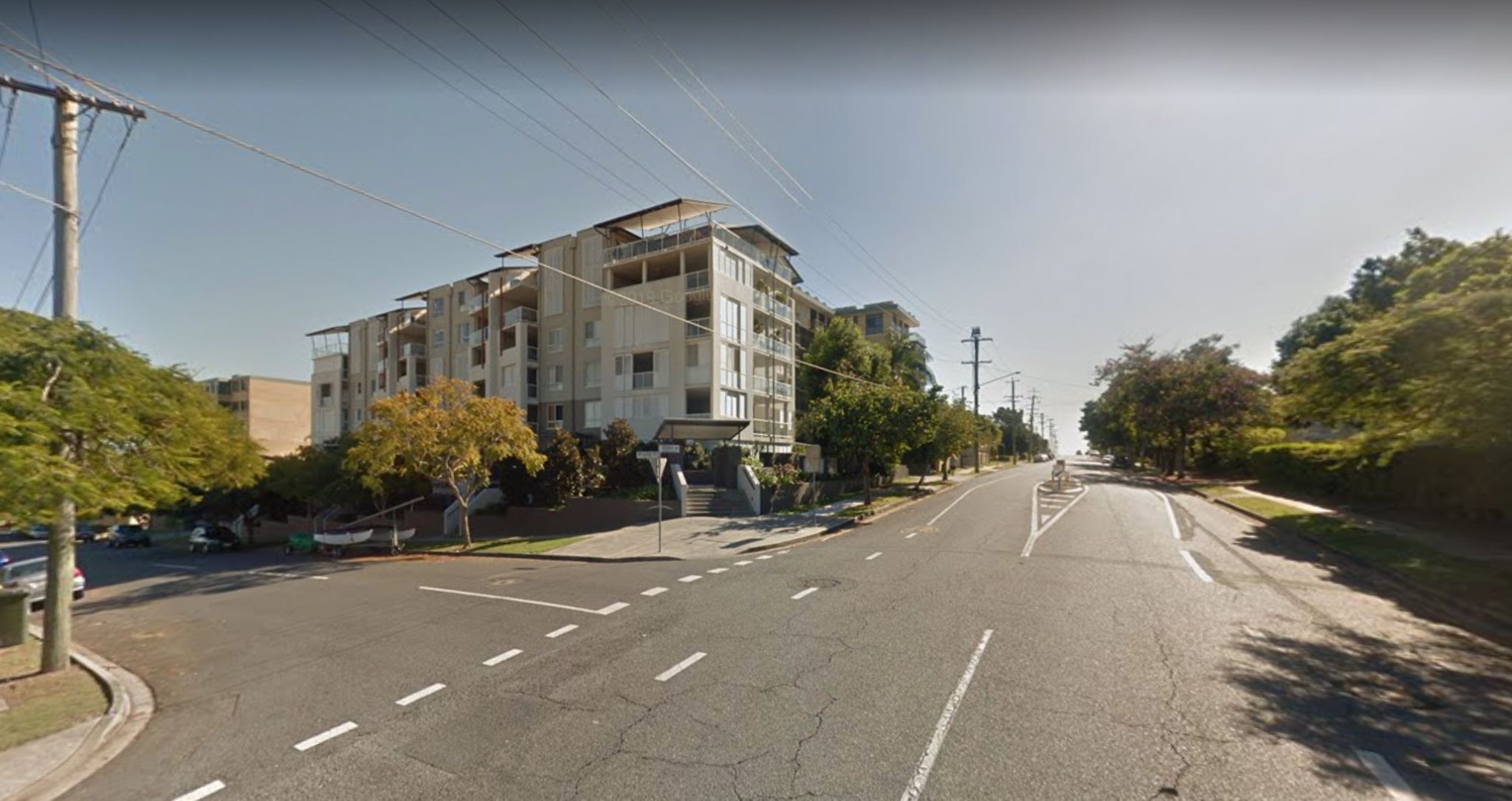
Clayfield is one of Brisbane’s well-connected suburbs, with access to train stations, the nearby Airport Link and Inner City Bypass. Located just six kilometres northeast of the CBD, Clayfield is one of Brisbane’s most prestigious suburbs.
Photo Credit: Google Maps
The locale is dominated by heaps of post-war homes, Queenslanders and the more modern brick and tile properties alongside tree-lined streets. Because the suburb has many parks and good private schools, Clayfield is very attractive to young families who want to set their roots in Brisbane for the long term.
Another wonderful feature of Clayfield is its close proximity to other suburbs like Ascot or Nundah, where lifestyle precincts for dining, shopping, and recreation are quite accessible.
“I live in Bonney Av, very close to the rail station. The suburb is peaceful and enjoyable. I love its proximity to the City as I study engineering at UTS. I work in South Brisbane, which takes me less than 30 mins to get to work. I find people friendly and welcoming. Love Nundah cafes & the local library.”
Phil
“Clayfield is a great suburb to live in and it is very handy to everything. There is a mix of housing and it ranges from several pockets of very expensive houses through to older style quite affordable units. I would highly recommend Clayfield as a great suburb to live in.”
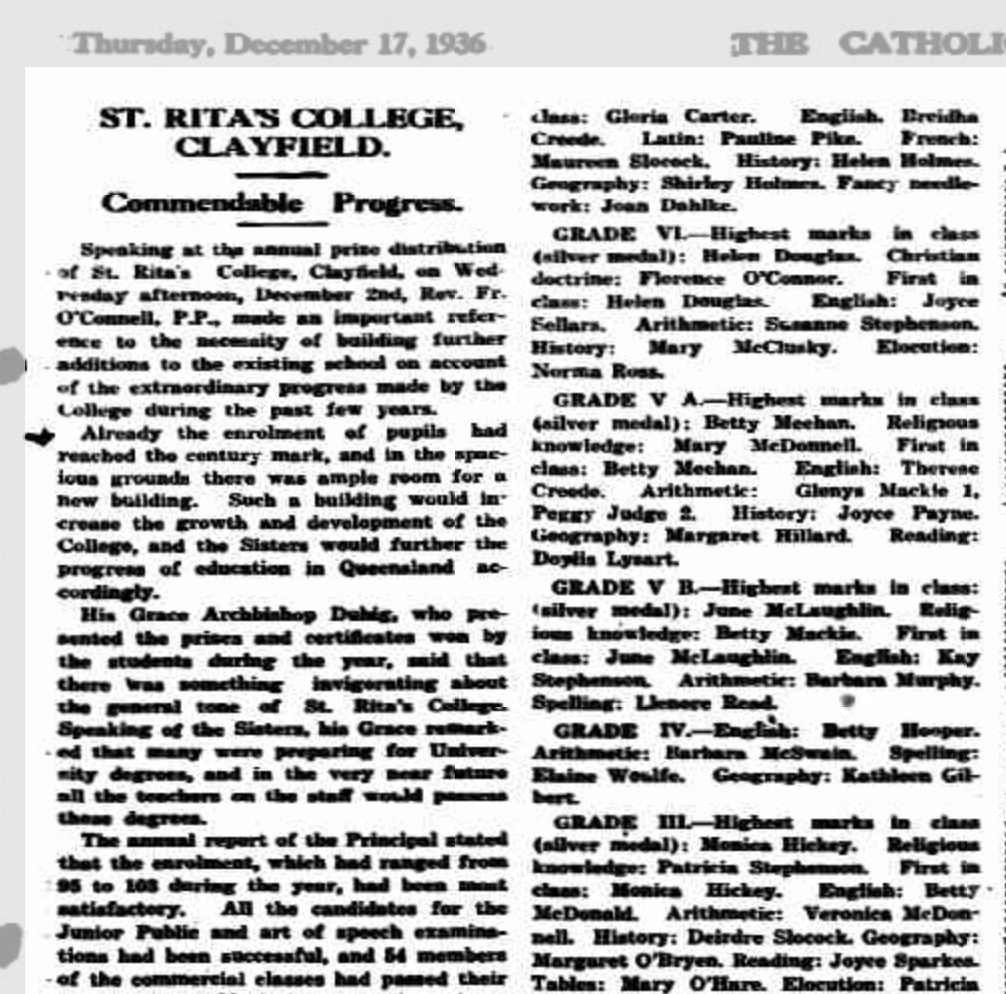
St Rita’s College, an independent Catholic secondary school for girls, was established by the Presentation Sisters in 1926. Do you know where the school got its name from, and where and how it began?
The story goes that St. Rita’s College was named after Sister Rita, a member of their order. Others say the school was named after the saint of hopeless causes, St Rita of Cascia. Apparently, the Presentation Sisters were in a bit of a predicament as they had quite a debt to clear just to establish the school in Clayfield.
The Early Days
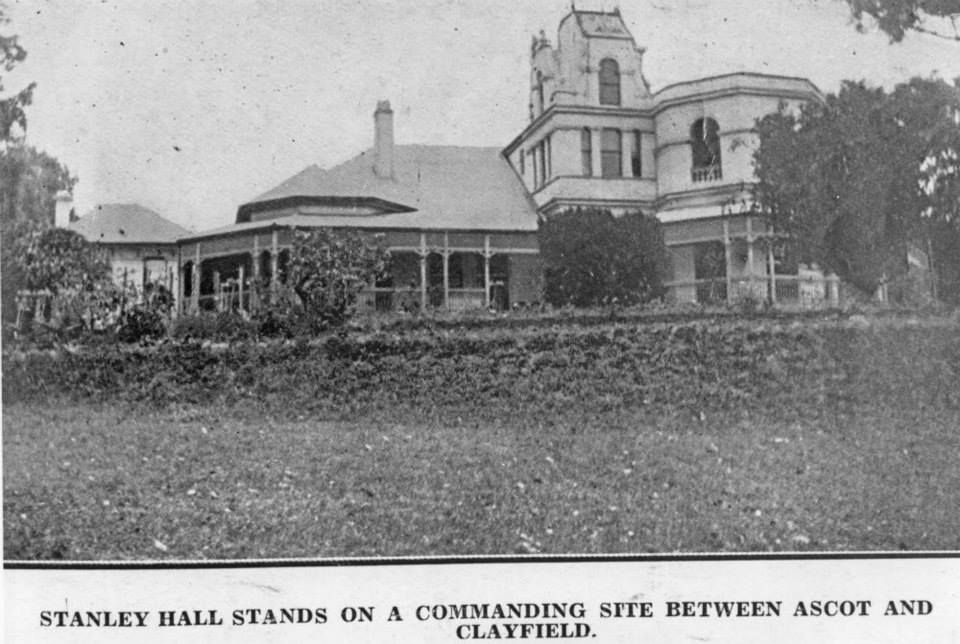
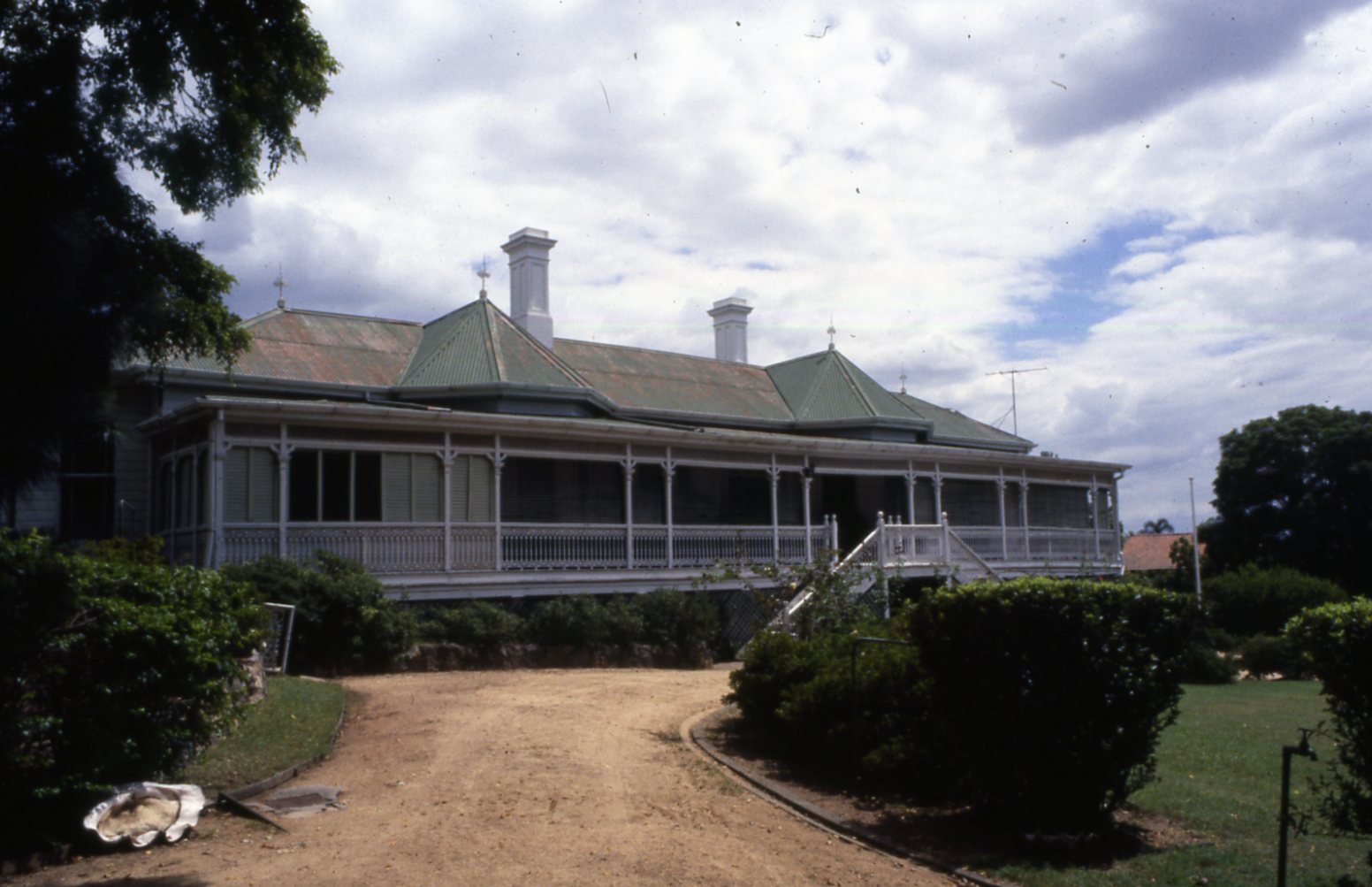
St Rita’s College was established in a prominent Clayfield residence known as Stanley Hall.Stanley Hall was originally built for Herbert Hunter in 1888 but it became the property of Edward Blume and his family from 1911 to 1926.
Mother Alice Ursula Kennedy and Mother Mary Patrick Madden negotiated with Mr Blume, whose family was planning to move out of Stanley Hall, for the five-acre property. The sisters secured a bank loan worth £22,000 with Mr Fred Martin, the brother of Sister Rita Martin, as the guarantor.
Stanley Hall was an answered prayer for the Presentation Sisters who were still living at the presbytery of St. Agatha’s parish school a few meters away. Despite their debt, the sisters managed to make interior changes at Stanley Hall to prepare the site for primary school students.
The first classroom welcomed students in a humble heritage room with only 14 kids between six to 15 years old. The school still lacked amenities on account of the cash-strapped sisters.
In 1927, the Department of Public Instruction granted St Rita’s College approval as a Queensland secondary school. But the Great Depression followed thus no additional facilities were built due to lack of funding. According to the Convent Annals, the Presentation Sisters were considering selling Stanley Hall and downsizing.
However, in spite of the bad state of the economy at that time, the school community thrived and secured years of new enrollees with the opening of the kindergarten department.
From Post-War Struggles to High Academic Standards
In 1938, the Kennedy Centre was built, which was named after Mother Alice, who was also the first principal of St Rita’s. The school also offered boarders and day boarding for its secondary students.
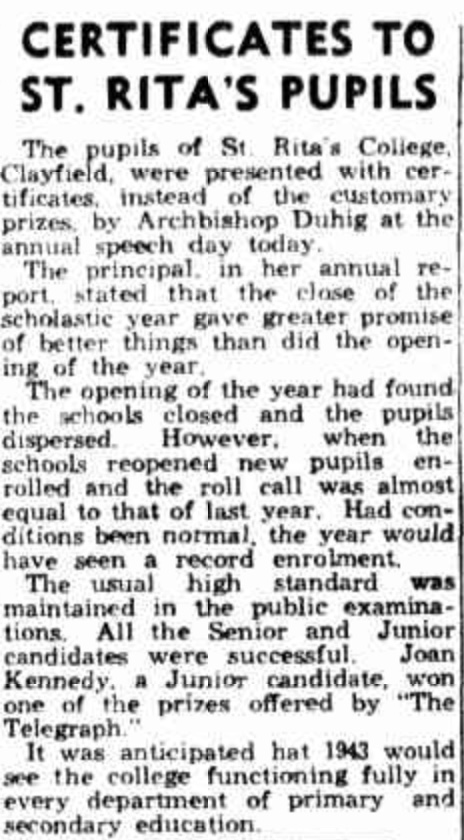
During World War II in 1941, the sisters and the boarders had to be evacuated to a convent in Murgon miles away from Clayfield. Upon the reopening of St Rita’s in 1943, subjects like Science, Music, Art, and Drama were introduced and have remained a major part of the school’s curriculum.
By the 1950s, St Rita’s was flourishing as a school offering high academic standards and a noteworthy music and drama department where the creative students were encouraged to pursue their dreams. In the 1960s, the school added the Sacred Heart Centre with more classrooms as well as the art physics centre.
Progressing With School Improvements
In the 1970s, the school scrapped the boarding facilities and built the Nano Nagle Centre with four science laboratories. It was named after the Irish pioneering founder of the Sisters of the Presentation of the Blessed Virgin Mary in the 1700s.
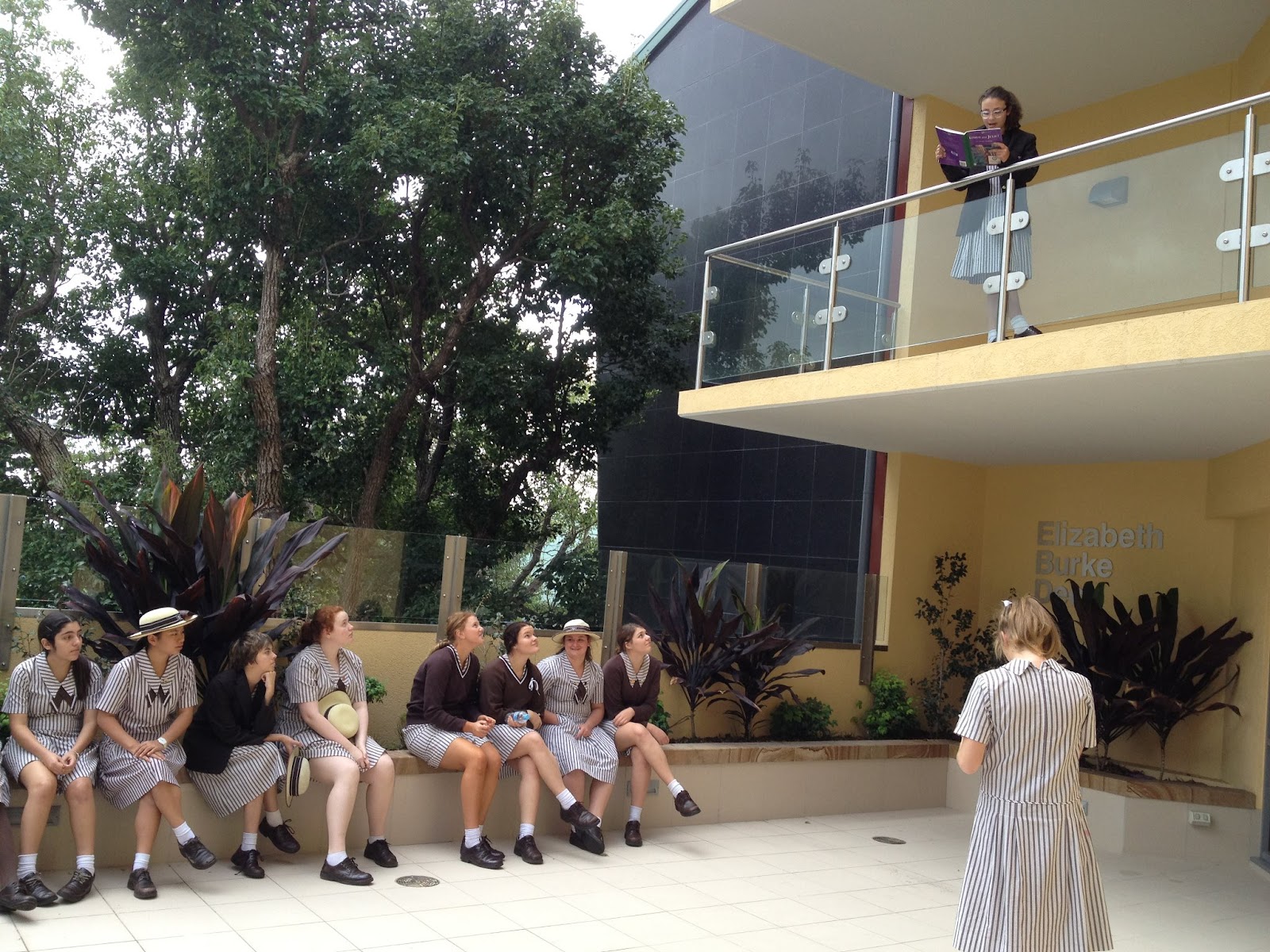
The centre underwent a massive renovation in 2011 with the addition of more science laboratories, Information Technology network and support centre, function rooms, modern teaching rooms, a state-of-the-art resource centre, and a panoramic view of the northern bay suburbs.
The laboratory sections of the Nano Nagle Centre were renamed the Sister Elvera Sesta Science Centre, a former principal who was a science degree holder from the University of Queensland
Photo Credit: StRitaCollege/Facebook
Subsequent rebuilds of St Rita’s College also took place for the next five decades to include the following:
Trinity Centre, where the school auditorium is found, alongside the Film and TV green room, drama rooms, and music rooms
Presentation Center, where hospitality, business, and design classrooms are housed
Acqua Rose Centre, an aesthetically impressive building with a heated pool and glass windows
Eirene Centre, with its multi-purpose hall, art classrooms, and the gym
Photo Credit: M3 Architecture
St Rita’s College at Present
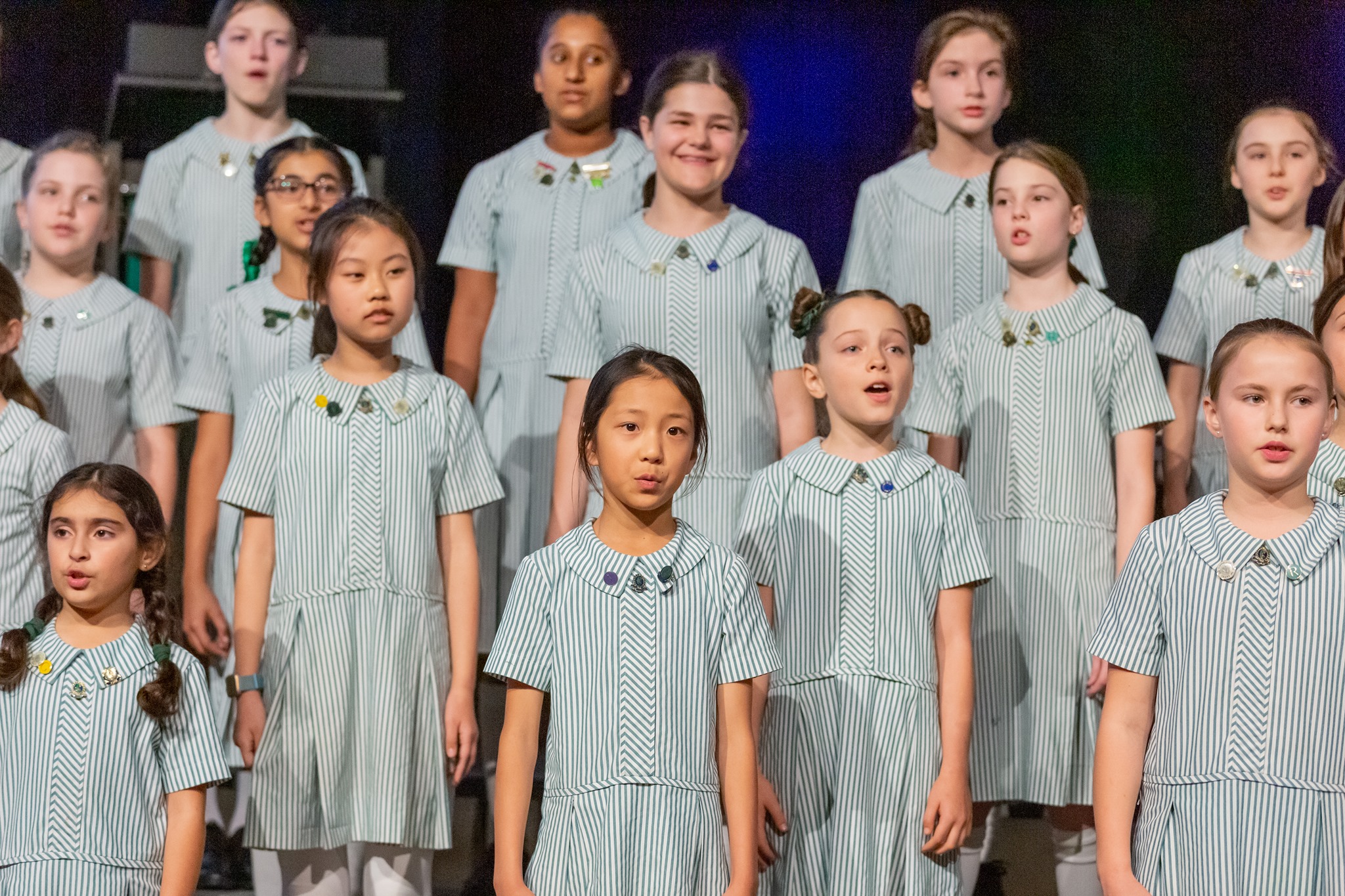
Today, the original Stanley Hall building serves as the school administration area. St Rita’s College maintains its reputation as highly-regarded as a Catholic independent girls school for Years 5 to 12 girls with more than 1,000 enrolments a year.
St Rita has proudly produced thousands of well-educated women who were encouraged to achieve their full potential. Some of the school’s most distinguished alums are Julieanne Alroe, the CEO of Brisbane Airport, Chair of Infrastructure Australia, Eloise Amberger, an Olympian for Synchronised Swimming, Abbie Chatfield, a social media celebrity, Sophie Conway, Australian Rules Footballer with Brisbane Lions, Kate McCarthy, a sportsperson with Queensland Cricket and Brisbane Lions, and Georgia Prestwidge of the Brisbane Heat Cricket Team.
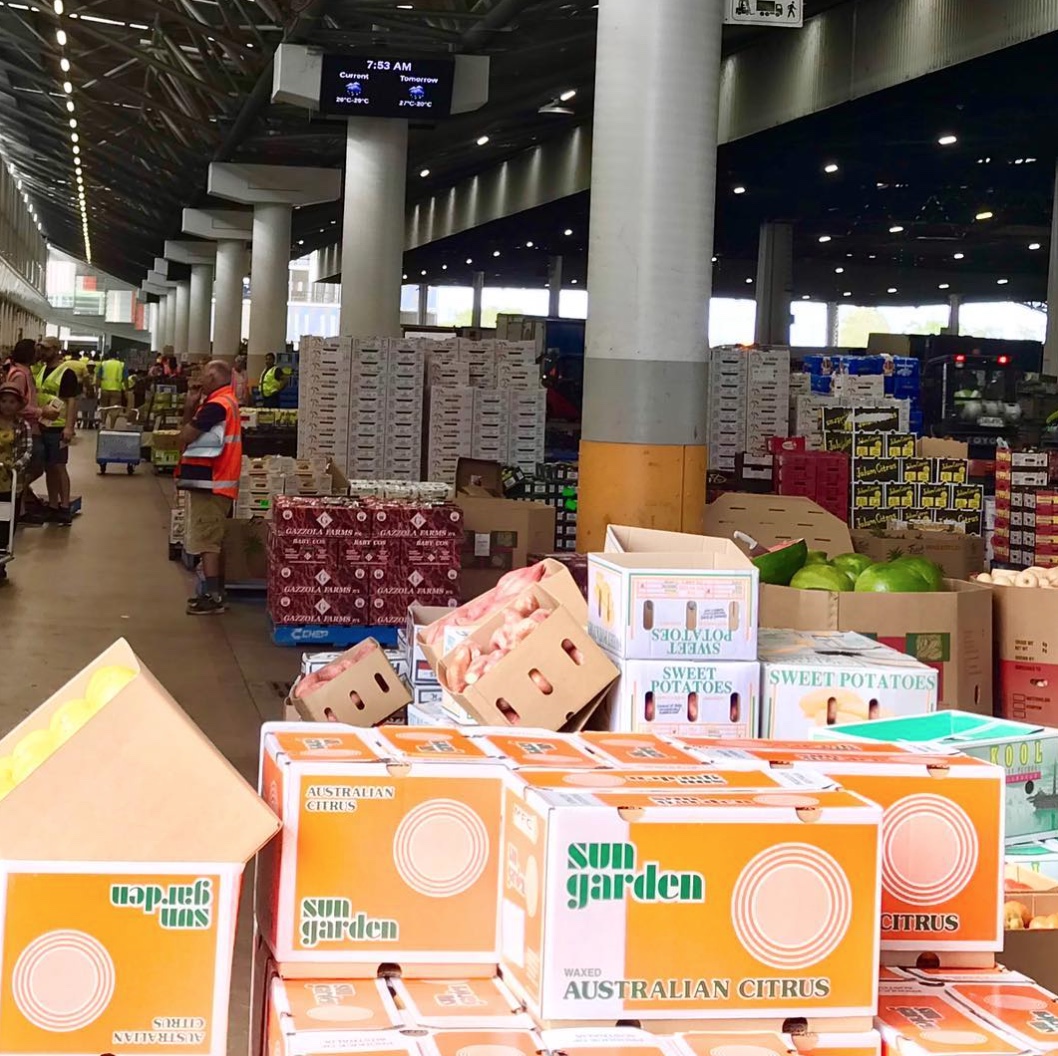
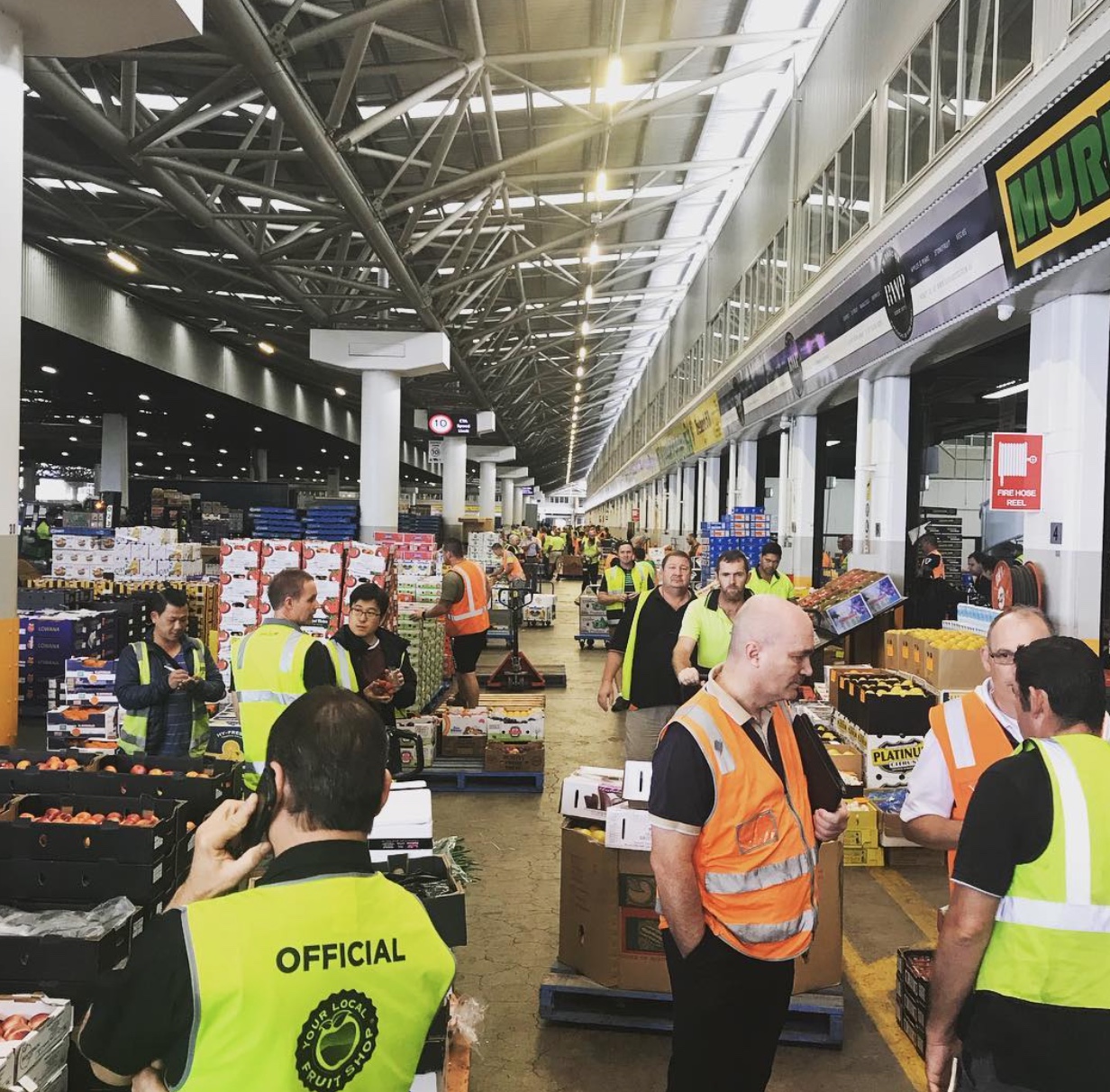
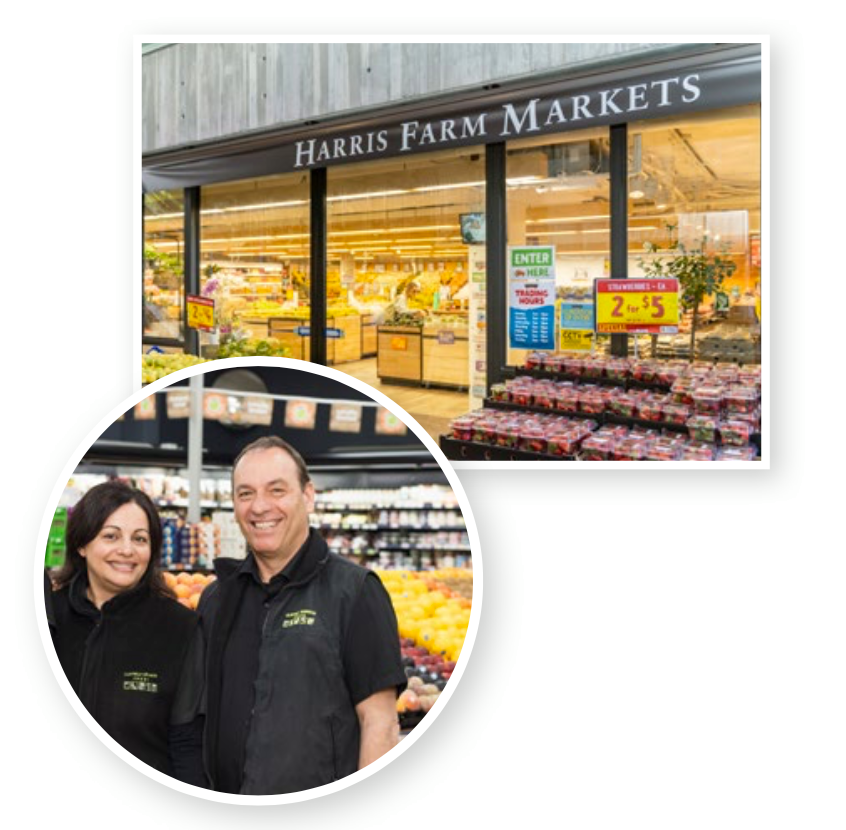
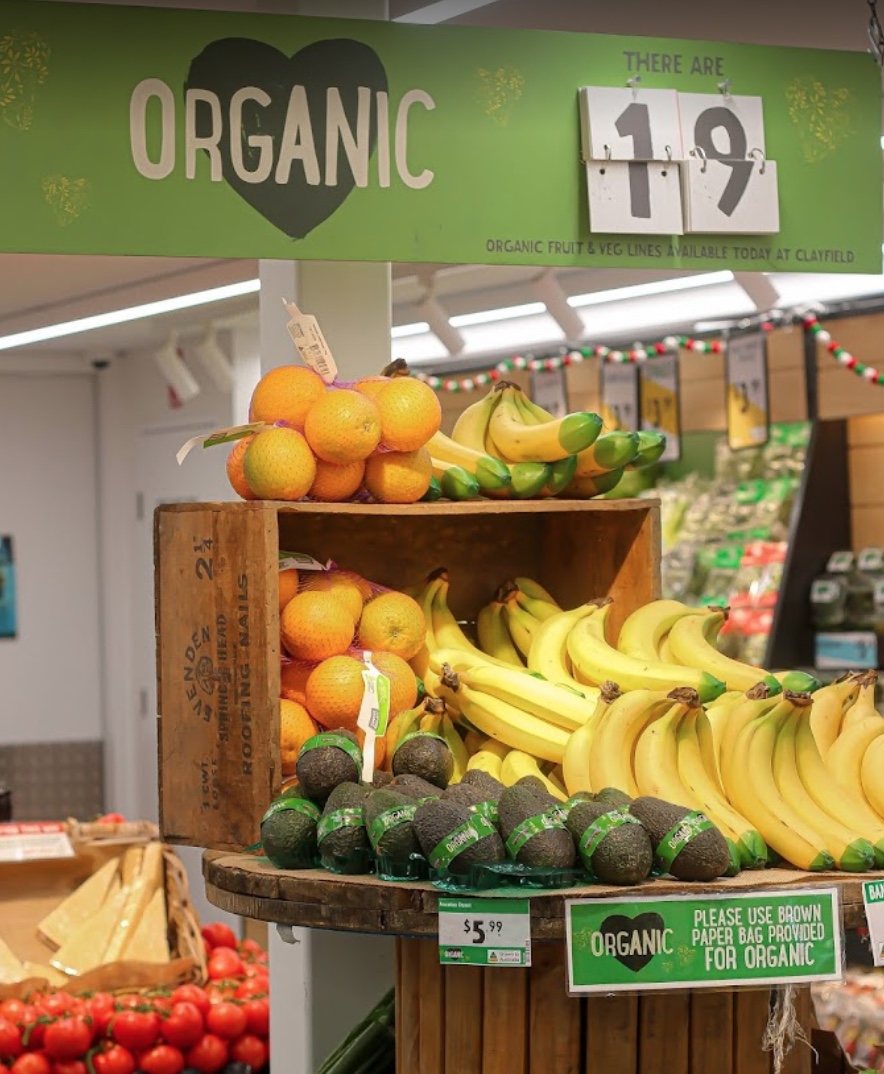
Harris Farm Markets, established in Clayfield in the 1980s, is Australia’s biggest retailer of fruits and vegetables. Know more about its history and how Harris Farm Markets recently went full circle.
When David and Cathy Harris, the family behind Harris Farm Markets, decided to focus on their business’ expansion in NSW in 1991, locals Carlo and Susan Lorenti bought their Clayfield business.
Carlo had long been regarded as the Mango King of Queensland, a moniker he earned because of his penchant for buying the first batches of mango harvests and using them to fund charities like Life Education or Redkite.
Harris Farm Markets holds a special place in his heart because of more than just the produce. He met his wife at Harris Farm Markets in Ashfield, Sydney several decades ago.
Originally from Calabria in Italy, Carlo arrived in Sydney with this family in the 1970s at the age of 12. His work at Harris Farm Markets Ashfield gave him the opportunity to oversee some of the business’ other outlets, including Clayfield. He and David have always maintained a great relationship as business colleagues and good friends.
Susan, from Sydney, was only 18 when she met her future husband and the father of her two boys, Julian and Jamie, at the Ashfield outlet where she also worked. After buying Harris Farm Markets from the Harris family, the Lorentis settled in Clayfield where their sons went to school some two kilometres away from their store.
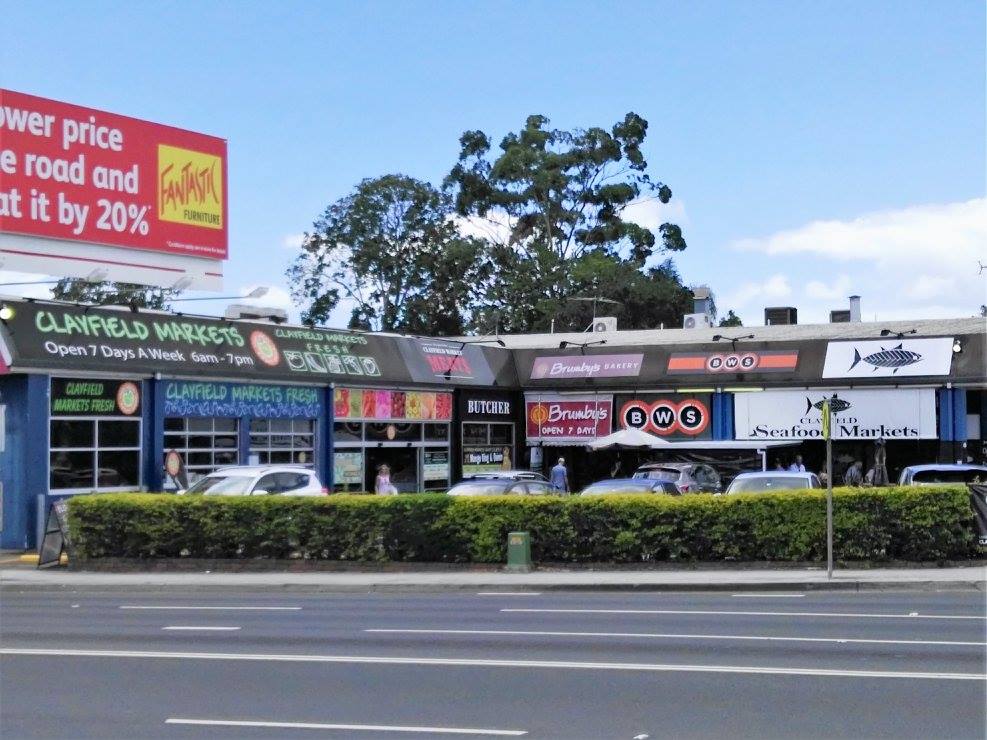
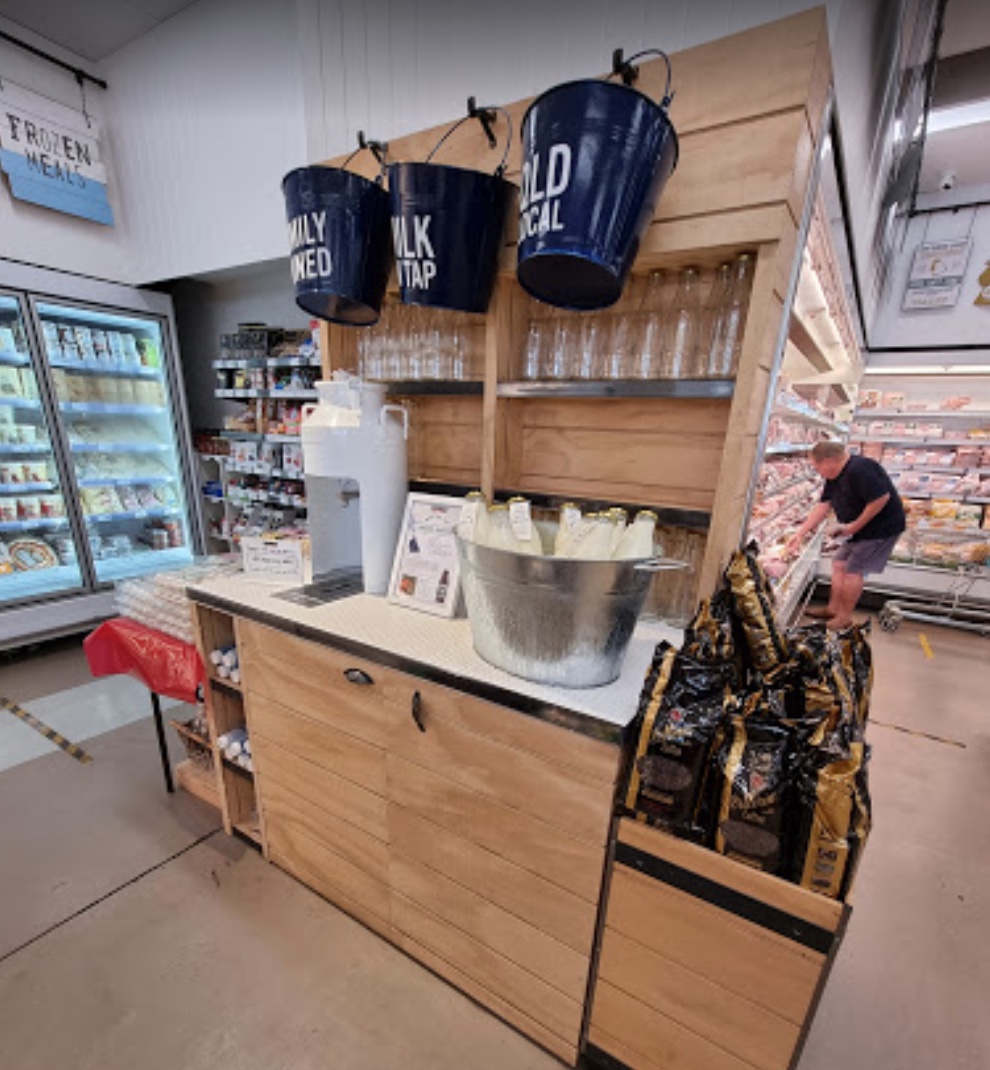
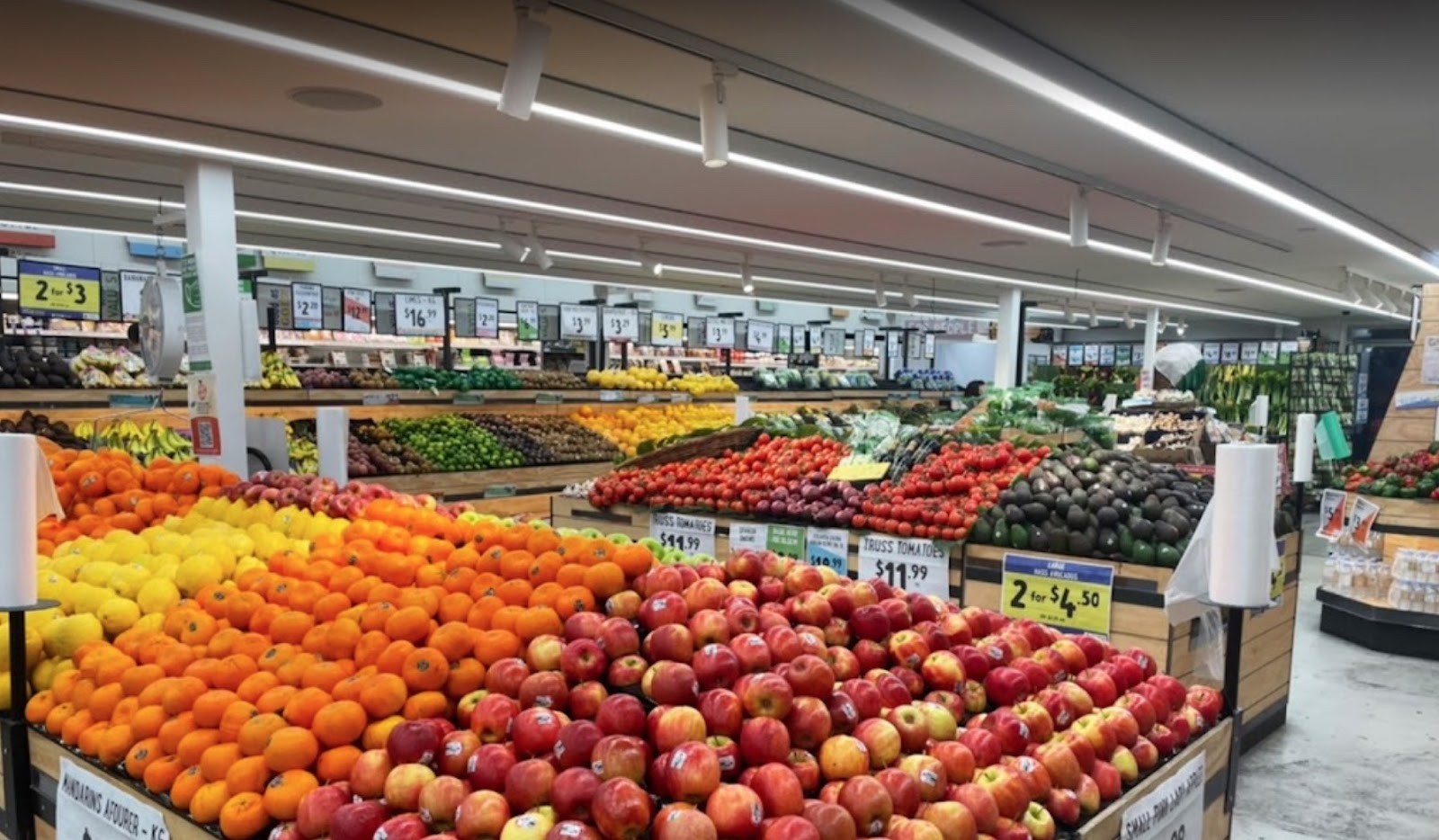
The Lorentis renamed Harris Farm Markets into Clayfield Markets Fresh, which became known for good quality and the widest varieties of produce, specialty cheese, and grocery items at reasonable prices. The store also offered a selection of international food, including Spanish and Italian meats like jamon or prosciutto, gourmet dips, and designer chocolates or ice cream.
Photo Credit: Google Maps Photo Credit: ClayfieldMarkets/InstagramPhoto Credit: ClayfieldMarkets/Instagram
Coming Full Circle
Sometime in 2019, Harris Farms, through CEO Tristan Harris, one of the sons of David and Cathy, approached the Lorentis to discuss buying back the Clayfield site, the historic family home of Harris Farm Markets in Queensland, amidst the Harris family’s plans to expand in the region.
Carlo and Susan felt it was the right thing to do after 30 years of running Clayfield Markets Fresh. Carlo said that he did not want to pass on the business to an operator that wasn’t as passionate as Susan and him.
Photo Credit: Loving Nundah/Facebook
In a beautiful twist of fate, the pair came full circle and turned over the markets to the family that started their career and to a store where they first built their lives together.
Harris Farm Markets in Clayfield officially re-opened in November 2020 after a rebuild and the addition of more workers. Carlo and Susan are still part of the business as the managers.
Photo Credit: Peter Barton/Google Maps
Photo Credit: Ines Fernandez/Google Maps
Photo Credit: Photograng BNE/Google Maps
Harris Farm Markets Autumn 2022 Recipes
Meanwhile, autumn is the perfect time to enjoy a cooler picnic at Kalinga Park with the family and Harris Farm Markets has provided some amazing seasonal specifics for preparing delicious picnic food using ingredients like raspberries, Pink Lady Apples, broccolini, white grapes, pears, figs, avocados, mandarins, red grapefruit, truss tomatoes, citrus, and of course, loads of veggies.
Spice up breakfasts with a spoonful of baked sweet plums and the flavours of cinnamon and star anise in the morning. Or spoon them over yogurt for a quick and simple dessert. These versatile baked plums are a saviour to have in the fridge.
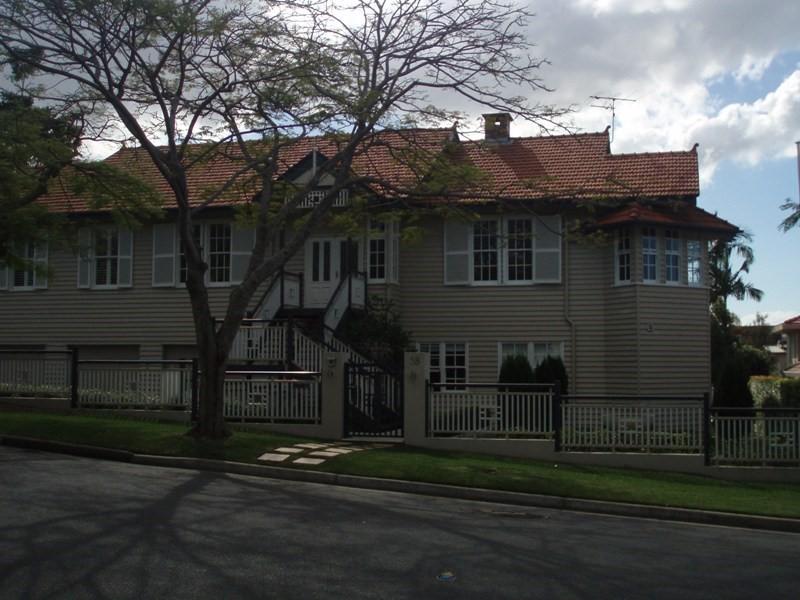
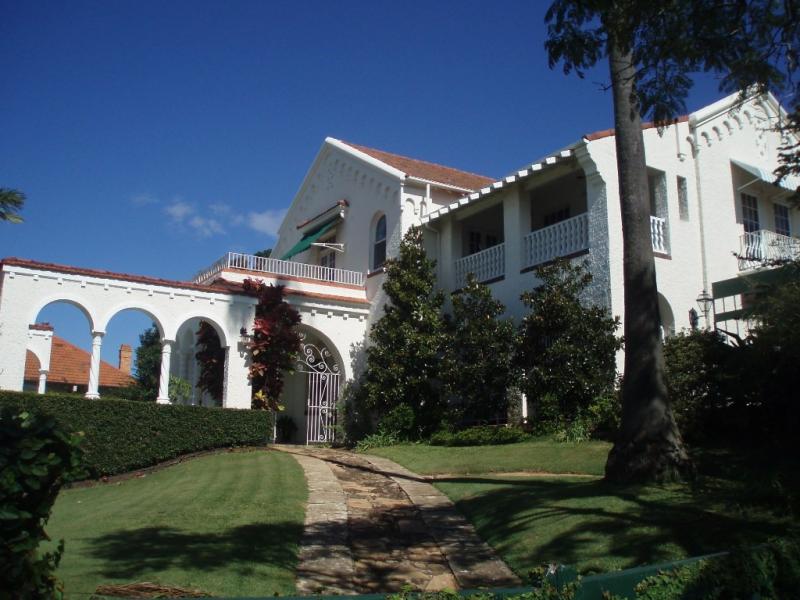
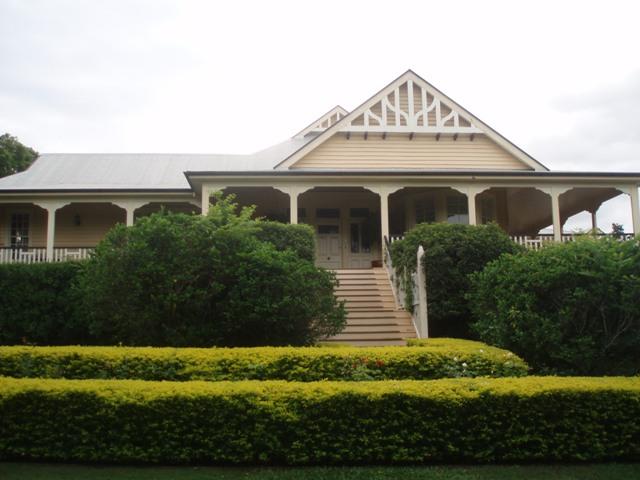
The Enderley Road heritage precinct in Clayfield has heritage homes that epitomise the alluring and enduring characteristics of well-designed houses from the 1890s to the 1930s. Did you know that the area was once a pineapple farm? Here’s a look back on how one of Clayfield’s best streets metamorphosed into the neighbourhood of choice of some of Brisbane’s most influential people over the years.
Development started in Enderley Road upon its purchase by Deed of Grant around the 1850s. Properties were subdivided and sold for farming pineapple and producing dairy, or as a semi-rural retreat for privileged families.
Photo Credit: Nundah & Districts Historical Society Inc.
Stanley Hall
One of the first grand houses to be built on Enderley Road was Stanley Hall in the 1880s for produce dealer John William Forth, who had 10 children with his wife Selina. The Forths, however, lived in the house for a short period only following the death of one of their daughters and Mr Forth.
Photo Credit: Queensland State Library
The mansion was turned over to Herbert Hunter, a family friend, pastoralist, grazier, and horse racing enthusiast. Stanley Hall appealed to him not only because of the house’s architecture but for its proximity to the racecourse at Eagle Farm. Mr Hunter did subsequent redevelopments to the house but he eventually sold the property to pastoralist and racehorse owner Edward Goddard Blume in 1910.
Mr Blume subdivided most of Stanley Hall, with 4.5 acres going to the Order of the Sisters of the Presentation. The sisters built the St. Rita’s Convent on the land in 1926. Nearly a decade later, the sisters expanded and built a school that has thrived until today.
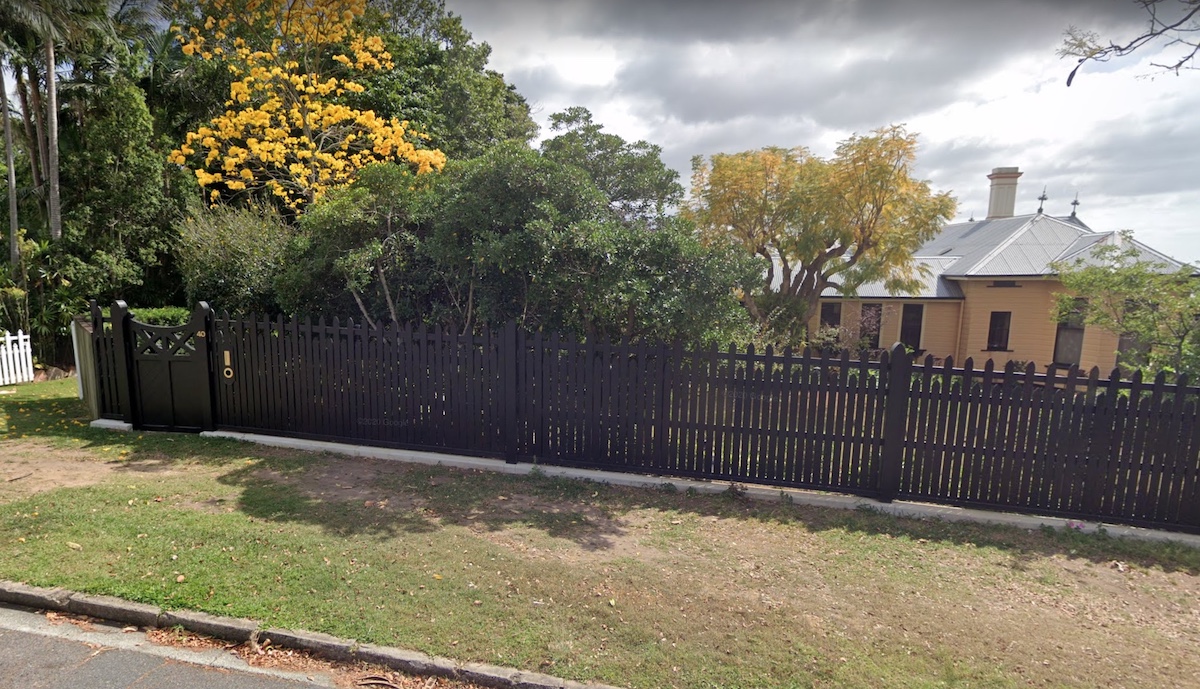
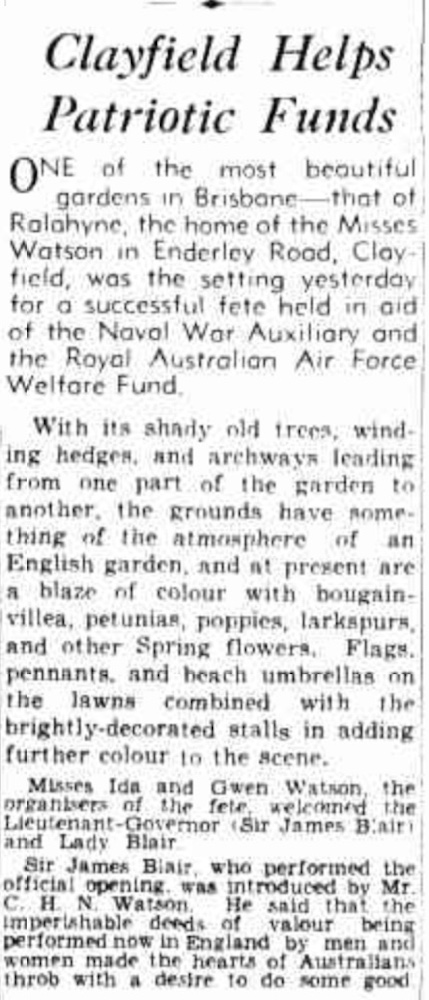
Ralahyne on 40 Enderley Road was built in 1888 for Robert Gray, then the colonial secretary, by architect George HM Addison. Mr Gray, who became the Commissioner of Railways, lived in the house until his death in 1902.
The home changed owners several times following the death of the public figure until Henrietta Watson bought the house in the 1920s. Ralahyne remained with the Watson family until 1985, when it was bought by private owners.
The Lynton house on 58 Enderley Road, constructed in 1918 for Gilbert Lees, covered three-quarters of an acre of the Ralahyne property. This land was further subdivided into blocks of houses in the 1950s.
Photo Credit: Local Heritage Places/BCC
Second Wave of Development
Aside from Stanley Hall and Ralahyne, three other properties stood out in Enderley Road in the early 1900s: Huntington, Fortland, and Stanwraith but only the latter remained in the modern times. Stanwraith, constructed in 1901 on 32 Enderley Road, was the home of architect Montague Talbot Stanley, the son-in-law of Sir Thomas McIlwraith, a former Queensland premier.
Photo Credit: Local Heritage Places/BCC
By the 1920s, another wave of development washed over Enderley Road with Interwar houses like the Girrawheen, the Breffney, the Linstarfield, and its neighbouring houses.
The Breffney on 83 Enderley Road was owned by Mr and Mrs Hendry Drew. The Spanish Mission house was designed by prestigious Brisbane architects Hall and Prentice. It had a tennis court, a pool, a stucco garage, and heaps of tropical plantings.
Photo Credit: Local Heritage Places/BCC
Girrawheen
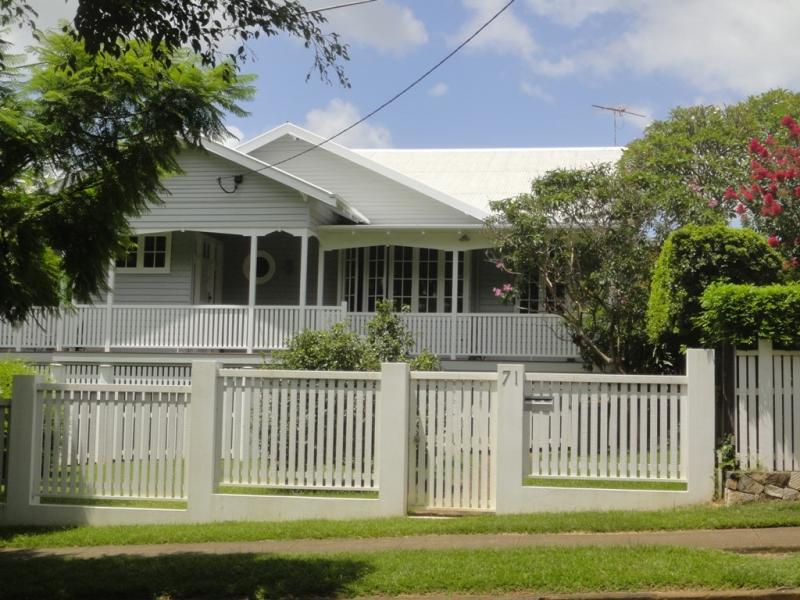
Girrawheen on 71 Enderley Road was built in 1923 for insurance manager James Milne and his wife Edna. This property was subdivided from Mr Blume’s land that surrounded Stanley Hall. The Milne family lived in Girrawheen until the 1950s.
In 1956, Sir Walter Campbell, a distinguished lawyer who went on to become the Chief Justice of Queensland and the Governor of Queensland, lived in Girrawheen with his family for three decades. The house went through many alterations during this period but the redevelopments generally retained the character of the Interwar home.
Photo Credit: Local Heritage Places/BCC
Linstarfield
The Linstarfield on 64 Enderley Road is a Federation-style timber villa built for mine owner PD Rylance, whose son, Mervyn Rylance, grew up to become a prominent Brisbane architect. A few years later, the house also became the home of another wealthy mine owner, HG Noble, an active figure in Brisbane’s business and society gatherings.
Photo Credit: Local Heritage Places/BCC
Some alterations and demolition were done to the house through the years and into the modern period, whilst still maintaining its elegant and very recognisable architectural features.
Mr Noble’s wife, Agnes, purchased the neighbouring lots around Linstarfield that became vital to the heritage-listed precinct. During World War II, the grounds of the Linstarfield were used as a private air-raid shelter and were further subdivided as a family lot.
Beside the Linstarfield is a modern house on 72 Enderley Road. The home is technically not part of the heritage precinct though its development has to be regulated by the Heritage Code.
Also on the former Linstarfield lot is the home on 82 Enderley Road, a house with a terracotta tiled roof. It was built for Mr and Mrs James Ernest Stewart.
Photo Credit: Local Heritage Places/BCC
The neighbouring house on 92 Alexandra Road is part of the heritage precinct because it contains part of the former Linstarfield wall and was erected in the 1920s. At least four more houses on Alexandra Road are part of the former Linstarfield wall and are also included in the heritage precinct listing.
Photo Credit: Local Heritage Places/BCC
Camara, Delcotta & Fetlar
Camara, Delcotta, and Fetlar were also built in the 1920s and are considered integral properties to the Enderley Road Heritage Precinct.
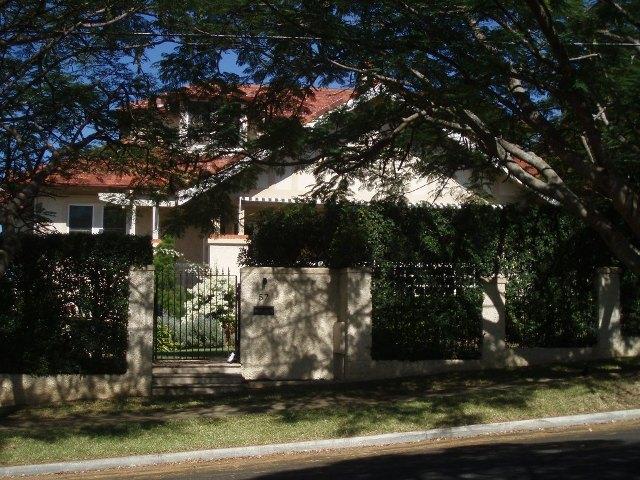
Camara, on 24 Enderley Road, is a timber house with a curved front verandah and was originally built for a draper, Cecil Bowerman. Delcotta, on 19 Craven Street (formerly 51 Enderley Road), is a stylish Tudor home designed by influential Brisbane architect EP Trewern for the dentist A. Ure McNaught and his wife. Fetlar, on 57 Enderley Road, was constructed in 1923 for wool expert Mr Richard Baxter. The house stands out as a California bungalow.
The Enderley Road Heritage Precinct was entered into the local heritage listing in 2011.
Today, Clayfield is a highly desirable suburb with generously sized properties in a neighbourhood that has an appealing family vibe and plenty of lifestyle amenities within easy reach. Local providores know people by name. Highly rated schools abound and areas like the Enderley Road Heritage Precinct provide a unique heritage appeal that gives people an enduring connection to the suburb’s roots.
Mie Mie Wing Kee, the owner of Mamaku in Clayfield, has been featured in a documentary special running at the BrisAsia Festival highlighting the inspiration behind her home-style Indonesian restaurant: her mum, Julia, 91.
“Mother’s Table,” which will be running at the online-only installation of the BrisAsia Festival until 20 Feb 2022, follows three local restaurant owners as they talk about how the food they grew up loving shaped the culinary culture of Brisbane. Also featured in the special are Maggie Nguyen of Cafe O-Mai in Annerley and Taro Akimoto of Taro’s Ramen in the CBD.
Mamaku, which means “mother” in Indonesian, is found along Sandgate Road in Clayfield. The restaurant offers street food fares commonly found in Jakarta, where Mie Mie’s mum and grandmother are from.
Mie Mie recalls that she used to cook and serve the family’s fried noodle dish at weekend barbies back in Darwin and the guests would compliment by encouraging her to open a restaurant. But running a family restaurant, where Mie Mie’s mum also helped in the kitchen, came with some challenges. Despite this, however, the business expanded and thrived and now involves four generations of the family.
Mie Mie was only 20 years old when she immigrated to Australia and then vowed to work hard so she could move her mother with her as well. She talks about her journey with her daughter, Angela, in the below video.
The documentary feature on Mamaku is written and directed by Lark Lee and produced by Sounds Across Oceans for Brisbane City Council’s BrisAsia Festival 2022.
“Best Indonesian style food in Brisbane likely the country. Cooked by cooking masters who have fined tuned their skills over an entire lifetime. Beautiful quality food and good pricing. Can I join the family please, surely that involves free meals?”
Daniel McLeod
“Went here for dinner tonight, six of us, ate like kings, took some food home as well and still had change out of $160. Hidden treasure in Clayfield. Very basic but clean and tidy. Delicious authentic food, decent portions, friendly family, great customer service. Would highly recommend to anyone.”
Michelle Amurri
“Takeaway order was 100% correct and food, super tasty! Sorry, no photos, as it was eaten quickly. The Laksa reminded me of one eaten in Singapore. Brought back my travelling days!!”
Let’s revisit the historical places and heritage landmarks that have helpedClayfield evolve from a mid-19th century settlement to the highly desirable suburb we know today.
Clayfield: What’s in a Name?
The suburb’s name was derived from the “clay fields” in the mining town of Albion, where large deposits of clay were transported to Hendra and the neighbouring suburbs for brickmaking. This industry was vital to the growth of the settlements in the north.
With settlements dating back to the mid-1870s, the Clayfield community started with the opening of a Baptist church catering to Clayfield and Hendra.
From the 1870s to 1901, allotments of subdivisions and estates were advertised and auctioned off with Clayfield turning into a locale with heaps of large residences rivaling that of homes in Hamilton and Ascot, where the old rich also settled.
Clayfield’s appeal was underpinned by its elevation and accessibility to the racecourse and central Brisbane.
North Coast Railway
Stages in the evolution of Clayfield were marked by houses or structures that reflected the suburb’s progress and development. One of the developments that greatly influenced the placement of houses in 19th-century Clayfield was the North Coast Railway.
The North Coast Railway opened in 1882 with a line running from Clayfield, Eagle Junction, and Albion. The post office opened the following year. It did not take too long after that before European families started to build houses in the area.
Ralahyne
One of the most notable homes that were established during this period is the heritage-listed property, Ralahyne (1888) in Enderley Road. The house was also called East View, Nowranie, Koojarewon, and Huntington as it changed owners.
Under Colonial Secretary Robert Gray Photo Credit: State Library of Queensland
The single-storey timber residence with iron roof stands on an eight-acre property that Under Colonial Secretary Robert Gray bought. George HM Addison designed the modest four-bedroom home, then known as East View.
The house had distinctive wide verandahs with cast-iron balustrading and frieze panels. On the north side of the house, the verandah opened to a large ballroom with dome ceilings and skylights.
Most of the rooms in Ralahyne had timber ceilings while the dining room featured moulded beams. The drawing room had a Carrara marble fireplace with two fluted columns.
In 1904, the firm of Halls & Dods renovated the house after Ada Laird bought the property from Gray. Three years later, Laird sold the house to Anne Millar and her family lived here until 1918.
A peek at Ralahyne Photo Credit: Google Maps
Ruby Winten owned the property until she sold this to Henrietta Watson, who renamed the house to Ralahyne.
Photo Credit: National Library of Australia
Enderley Road Heritage Precinct
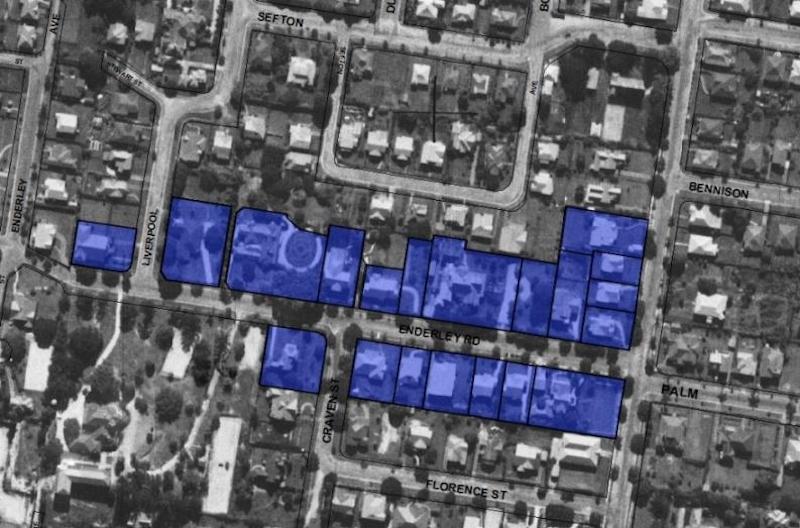
The Watson family owned Ralahyne until 1985, when its current private owners bought the place. The property was subdivided several times during the various phases of ownerships, forming what is known today as the Enderley Road Heritage Precinct.
Enderley Road Heritage Precinct Photo Credit: BCC
Clayfield and Ascot locals are proud of the homes in this precinct, including the surrounding street of Alexandra Road, for its aesthetic and historical value. Enderley Road became a model for historical architectural styles in Brisbane as the houses were designed by prominent architects and built during significant times in history — Federation 1890-1914, World War I 1914-1918, Interwar 1919-1939.
The housing styles in these prestigious locations included California Bungalow, Free Classical, Old English, Queen Anne, Spanish Mission. Aside from Ralahyne, the Delcotta house on Craven Street (formerly 51 Enderley Road) has been highlighted for its Tudor design. Delcotta was built around 1929 to 1930 for Mr A. Ure McNaught, a dentist, and his family.
Delcotta House, Clayfield Photo Credit: University of Queensland Library
Incidentally, Clayfield has the largest concentration of Old English house designs in Brisbane at 18, followed by Hamilton (12), St Lucia (9), Ascot (8) and New Farm (6). Old English houses were deemed out of reach for the average Brisbane homeowners but some local architects believed it did not fit into the climatic and living conditions of Queensland.
Fetlar, the California Bungalow, was designed by Chambers and Ford for Richard Baxter, who was regarded as a wool expert. He named the house Fetlar for his Scottish roots.
Fetlar House, Clayfield Photo Credit: BCC
The Interwar house featured large hallways with spacious living and dining rooms. It has the classic elements of a housing style introduced in Australia around 1910, such as low pitched roofs with street-facing gables, roughcast rendering, and sleep-outs.
Baxter’s property was sold in 1965 to a private owner following his death.
Sandgate Road Electric Tram
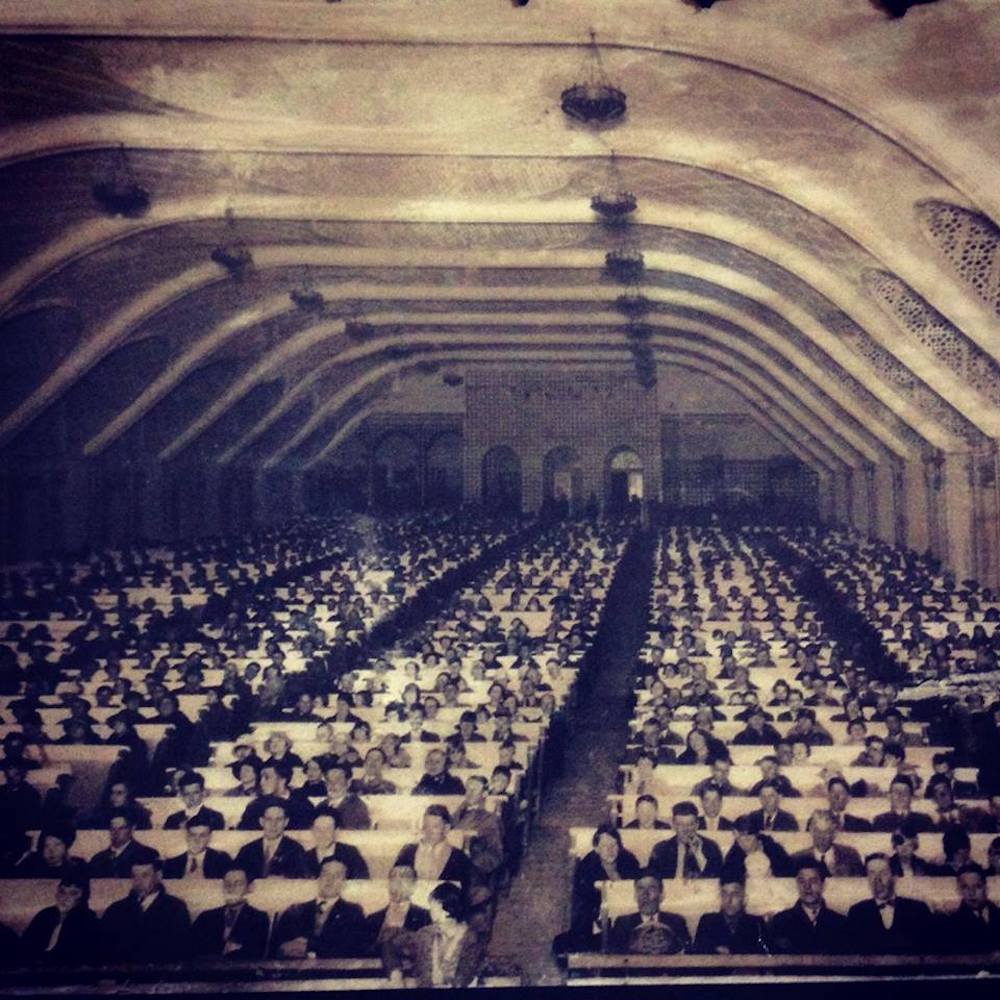
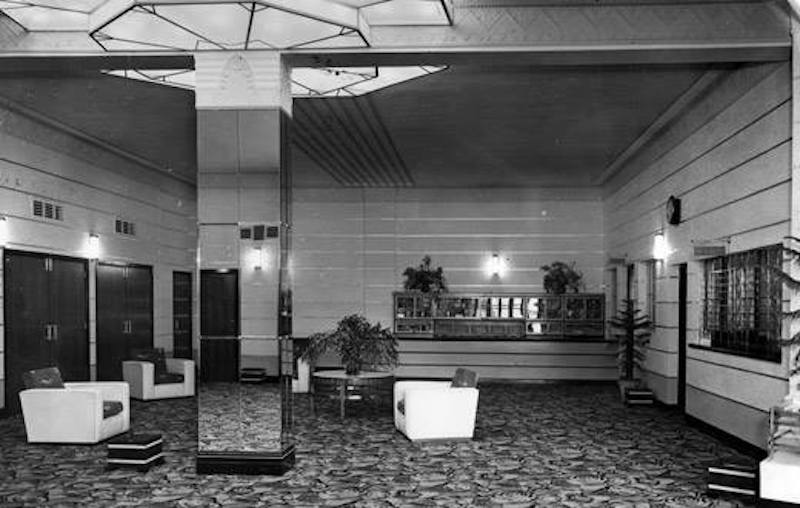
When the Sandgate Road electric tram opened in the early 1900s, Clayfield’s housing and building structures also flourished. Spanish mission-style buildings were becoming popular with the opening of the Savoy Theatre, which had a major art deco renovation in 1937. The building was characterised with bevelled glass mirrors and light fittings from sandblasted glass.
Inside the Old Savoy Theatre Photo Credit: Lost Brisbane/Facebook
The foyer at the Savoy Theatre Photo Credit: Lost Brisbane/Facebook
Unfortunately, Savoy Theatre ceased to exist in 1962, in the advent of the popularity of television at homes.
Clayfield Schools
From 1895 to 1926, a boom in educational institutions defined the suburb, beginning with the opening of the Eagle Junction Primary School.
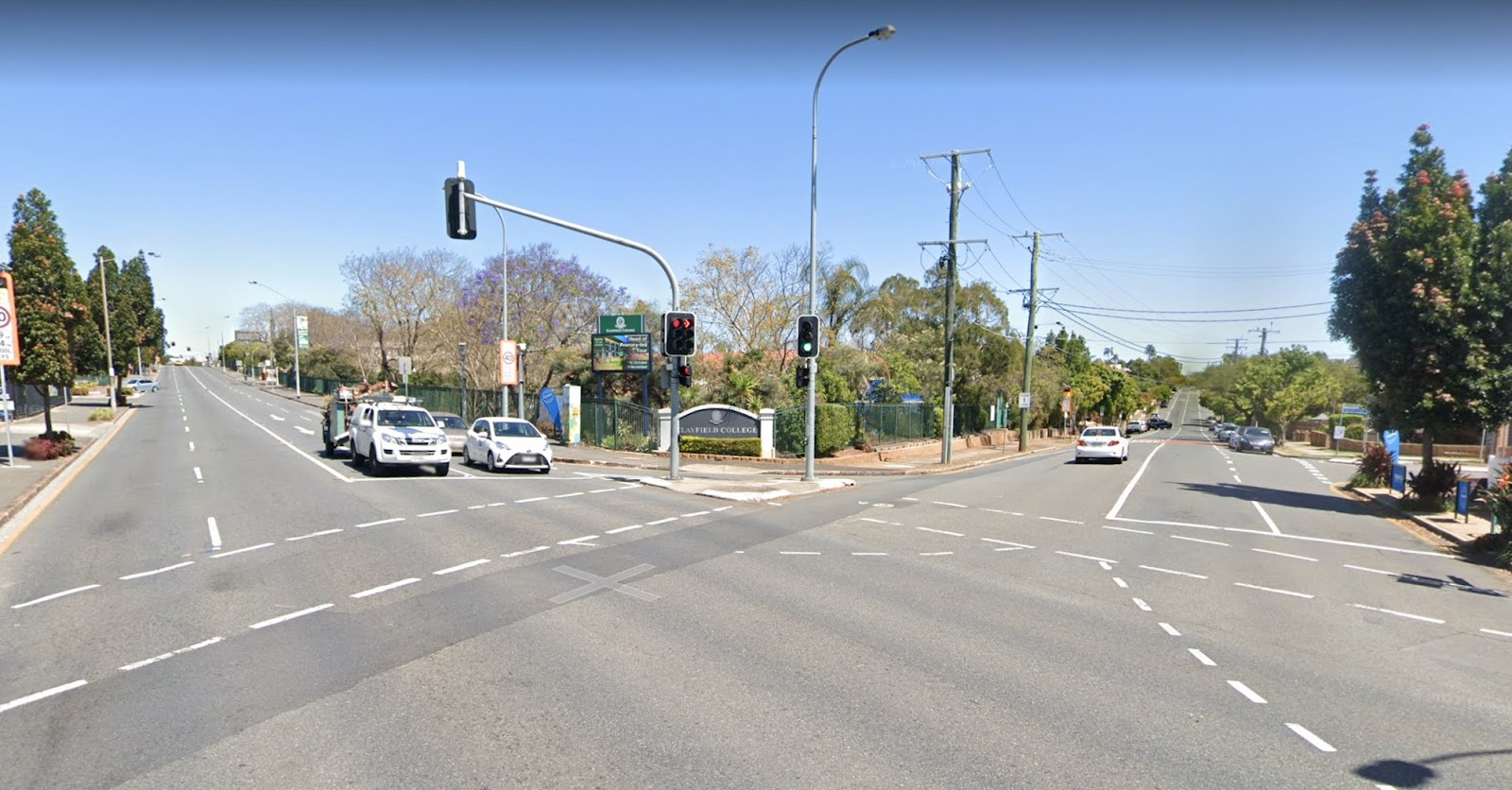
Brisbane Boys’ College (BBC), now known as Clayfield College, started operating in 1902.
BBC moved to its present site in Toowong when the school community had outgrown the campus, allowing Clayfield College to open a primary school on the site, which was named the Somerville House. By 1935, Clayfield College established its secondary school followed by its boarding school a decade later.
Clayfield College continued its expansion amidst the construction of the tunnels in Sandgate Road to provide access to the east of Brisbane. The school bought the former Turrawan Private Hospital and increased its boarding facility.
Turrawan Private Hospital Photo Credit: BCC
The heritage-listed Turrawan Private Hospital is a two-storey masonry building designed in the Interwar Georgian Revival style by prominent local architect Eric Percival Trewern. It was regarded for its high level of care. Matron Amy Olive Aitkin sold the hospital in 1971 but it continued to operate as intended until Clayfield College took ownership.
In 2023, Clayfield College will begin its transition to co-educational learning.
Meanwhile, other Anglican churches in the suburb also built their own schools, such as St Marks in Bonney Avenue, St Michaels in London Road, and St Rita’s College in Enderley Road. St Rita’s College was established in a former house built for produce dealer John William Forth and his wife Selina.
Stanley Hall Photo Credit: Wikimedia Commons
Stanley Hall, now a heritage-listed property, went through different stages of construction. Most of the building’s rich ornamentation was retained, including the elaborately detailed Dutch gables.
Inside Stanley Hall Photo Credit: Wikimedia Commons
Stanley Hall has grand rooms with interlinked modest service rooms. The main entrance is marked by stained glass surrounded by a hibiscus motif, alongside a cedar staircase with carved balusters and fine timber panels. Stanley Hall also has free-flowing wrap-around verandahs.
St Rita’s College Photo Credit: Wikimedia Commons
In 2021, St Rita unveiled its new state-of-the-art Trinity Learning Centre.
By the 1970s, many of the suburb’s lavish dwellings, especially around Bayview Terrace were turned into units. Property prices rose when the shopping strips filled with essential businesses were established.
For the 12-month period ending September 2021, Clayfield’s median house price sits at $1,380,00 and the median unit price is at $400,000, according to Property Market Updates.
Buyers, investors and savvy sellers are taking advantage of the strength of the Clayfield property market as the median house price shows another robust increase, rising 12.88 per cent to $1.38 million for the period covering October 2020 to September 2021.
Highlights
From October 2020 to September 2021, Clayfield’s property market rose by 12.88 per cent with the median house price now sitting at $1,380,000.
The unit market’s rise has also been unstoppable with a 10.65 per cent increase with a current median unit price of $400,000.
Clayfield has been attracting a broad market of first home buyers, established families, single professionals, and investors or flippers, all competing for a slice of the strong and robust market.
House Price Growth
First home buyers, established families, and single professionals, along with investors and flippers, are competing for a slice of the Clayfield property market due to its attractive rates per land size, at least above 600 square metres, as these provide opportunities for the new owners to build their dream house or renovate and turn for a profit.
Thus, with the bustling market activity, Clayfield grew by 12.88 per cent within the said 12-month period with the median house price now at $1,380,000, according to Property Market Updates.
From October 2020 to September 2021, 165 properties were sold within an average of 55 days on market, where most buyers have been quickly snapping houses with three to four bedrooms.
In July 2021, a historical family residence spanning 2,226 square metres sold the highest for $5,800,000. Dubbed as the “Tarranalma,” this house, a Clayfield landmark, went on the market for the first time after 23 years after a quality restoration that kept much of its architectural features intact.
Unit Price Growth
Clayfield’s unit market was also unstoppable, with an uptick of 10.65 per cent for the same period, with a current median unit price of $400,000. Young families wanting a foothold in a highly desirable location and retirees on the market for low-maintenance homes close to sought-after schools and essential shops were the heavy investors.
Among the 271 units sold for this period, 167 were two-bedroom apartments. Apartment listings stayed an average of 50 days in the market.
Clayfield belongs to the top 30 most liveable places among 260 suburbs in Brisbane, per a 2019 Domain Liveable Brisbane study. This northern location receives high marks for its public transport accessibility and affordability whilst still close to the CBD.
With its tree-lined streets and plenty of green spaces, Clayfield offers a peaceful suburban lifestyle where families live in heritage-listed homes or modern residential blocks. This suburb has its own thriving cafe scene despite its proximity to popular dining hubs in New Farm and Teneriffe.
“Living in Clayfield…depends which part of Clayfield. But closer to Eagle Junction train station would be ideal if you rely on public transport on a daily basis for work etc. I mean, it’s serviced by quite a few bus routes too but not in some areas, more around Sandgate Road. If you live closer to the Albion side then I’d say it’s good distant from the city and a quick trip back from the valley on night outs.
Sam
“I’ve been in Clayfield for six years. Great space in my opinion, have lived up on Sandgate Rd but now down near Eagle Junction. Both are exceptionally convenient for work and travel with good public transport coverage and $15 (or less) Uber to the airport. I’d recommend trying to get a place near to EJ if possible just because it’s an extremely convenient train station (nine minutes to the city, express trains and access to almost every line). In saying that, it really depends on what you’re looking for. Clayfield in my opinion is a standard “upper middle class” suburb.”
Clayfield College, one of Brisbane’s most prestigious private schools for girls from Year 7 to Year 12, will fully transition to a coeducational learning environment with a Parallel Learning model.
In a statement to parents, the administrators of Clayfield College revealed that the transition will be introduced in 2023 and will take place for five years, allowing incoming Year 7 students of all gender to enjoy “the best of both worlds and benefit from the Parallel Learning model.”
“Year 7s will begin single-sex learning streams, continuing through Years 8 and 9,” the statement read. “In Year 10 students come together for selected classes, and then benefit from fully coeducational classes in Years 11 and 12.”
Principal Dr Andrew Cousins confirmed that the school’s dwindling enrolment was a factor in the decision to shift to coeducational learning. Surveys conducted by the school showed that modern parents do not find any value in having a coeducational model from prep to Year 6 and then an all-girls model from Year 7 to Year 12.
At least 40 percent of parents supported the move to co-ed as it would also mean no more separate school drop-offs for siblings, especially since their sons in the lower levels would prefer to remain in Clayfield College for their secondary education.
Experts said that the students may benefit from having a diverse learning environment since genders learn to co-exist in real life.
Dr Cousins expect there will be at least 250 male students when Clayfield College fully transitions to coeducational learning in 2027. The school’s current population is below 500. Nearly a decade ago, there were more than 800 students a year.
Clayfield College, under the Presbyterian and Methodist Schools Association, turned 90 years old in 2021. The school produced notable students like Jan McLucas (politician), Tania Major (Australian of the Year), and Stephanie Rice (Olympic gold medalist).
With a median house price of $1.318 million, Clayfield continues to be an attractive investment for homeowners and investors seeking a high-end, quiet suburb close to Brisbane’s CBD.
From July 2020 to June 2021, figures from Property Market Updates show that the median house price in Clayfield is at $1,318,000, up 17.42% from $1,122,500 in the previous period. At the current median, the value of properties in Clayfield sits significantly higher than Queensland’s median house price of $540,000.
Highlights
Clayfield posted a 17.4 percent increase in the suburb’s median house price, now at $1,318,000 for the period July 2020 to June 2021. The suburb’s median unit price for the same period, now at $400,000, is up by 5.26 percent over the previous period.
There were 156 houses and 283 units sold for the same time period.
Clayfield joins over 30 other suburbs in QLD which posted double-digit increases in various quarters over the past 12 months, bolstering confidence in the suburb’s strong growth in a high-demand market.
Clayfield joins over 30 suburbs across the state which have hit double-digit increases in various quarters over the past 12 months. With 156 houses sold for the 12-month period ending in June 2021, Clayfield remains a high-demand market. According to popular site realestate.com.au, Clayfield property listings elicit 1,022 visits per property, compared to the QLD average of 836 visits per property.
Unit Price Growth
For the same 12-month period, Clayfield’s unit property market exhibited a 5.26 percent growth over the previous period, with 283 units sold.
Photo Credit: Google Maps
With a median unit price of $400,000, units in Clayfield remain popular and affordable among independent and established professionals working less than seven kilometres away in the CBD or at nearby inner-city suburbs like New Farm or Fortitude Valley, as well as retirees who want the convenience of living in a prestige community sans the hefty price tag of a house purchase.
Why Clayfield?
Good Education Options
Families moving to Clayfield have often cited its excellent education options, which include two private girls’ schools and the demand for school within the desirable catchment area has ensured good property appreciation.
Photo Credit: Google Maps
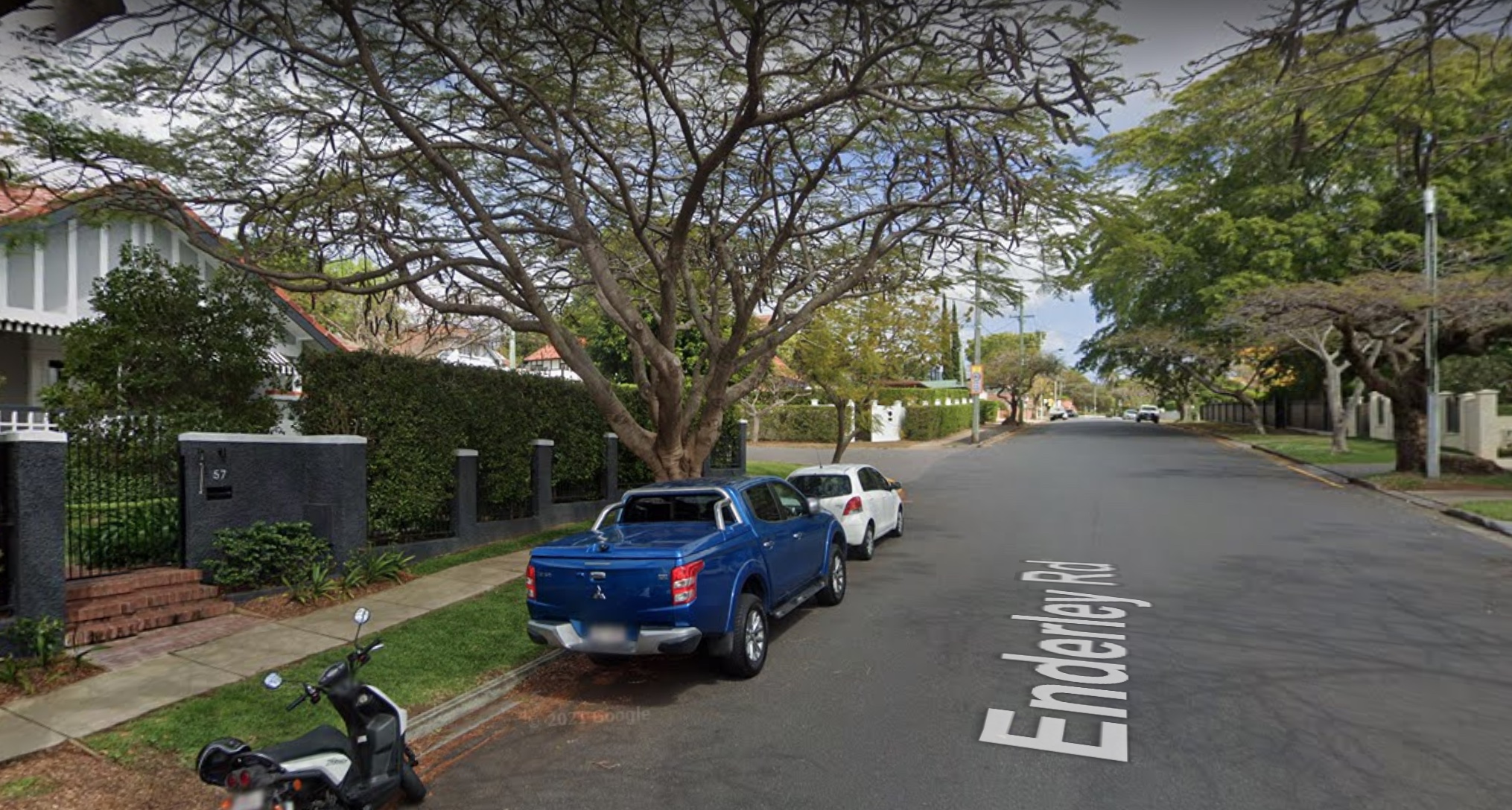
In May 2021, for example, a 1,215-sqm, five-bedroom California bungalow on 57 Enderley Road sold under the hammer for $5,075,000. That’s $400,000 more than the property’s sale price in 2018. The property sits on a corner lot and is considered highly desirable for families with school-age children, given its proximity to St. Rita’s College and location within the catchment area of Ascot State School.
Other school options include Clayfield College, St Agatha’s Primary School, Eagle Junction State School, and Ascot’s St Margaret Anglican School.
Accessibility and Liveability
Clayfield is in the top 30 most liveable suburbs of Brisbane, according to the inaugural Domain Liveable Brisbane study in 2019 which ranked 260 Greater Brisbane suburbs across 17 indicators. Several major factors considered by people when choosing a suburb to reside in include access to education, public transport, and employment.
Aside from getting top marks for education, Clayfield also rated high for its transport and amenities. The suburb has its own train station, as well as an excellent café precinct, giving it added liveability points for proximity to lifestyle amenities.
Aircraft Noise?
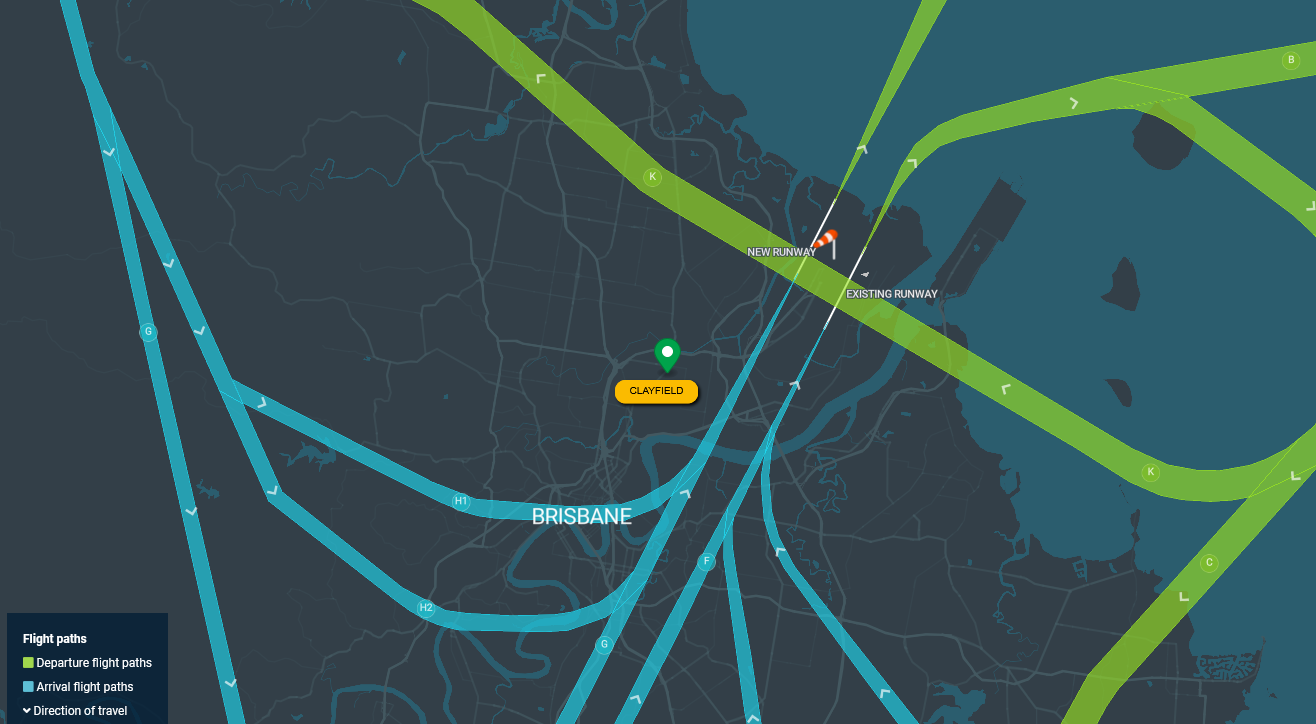
Some of Brisbane’s most prestigious suburbs have grown increasingly affected by aircraft noise as the new runway at Brisbane Airport doubles the airport’s capacity and increases the volume of overhead airplanes travelling along new flight paths.
Increased traffic from the new runway is seen to make some of Brisbane’s most prestigious areas less desirable, fueling greater interest and price growth in suburbs that are less impacted by the overhead noise.
The affected suburbs include some of Brisbane’s blue-chip suburbs such as Ascot, Hamilton, and New Farm, as well as popular suburbs Hawthorne, Bulimba, East Brisbane, Cannon Hill, and Seven Hills.