
Delve into the Fascinating History of Four Heritage-Listed Mansions in Clayfield

Adelaide Street East, home to many historical properties owned by some of Brisbane’s wealthiest families, is one of Clayfield’s most desirable addresses. Here are four heritage-listed mansions on Adelaide St East that reflect Clayfield’s storied past.

Oliver Jonker

138 Adelaide St East: Casa Mara 

Casa Mara was constructed in 1930 for Mrs Martha Greenfield, who married Brisbane doctor Vivian Hector Leigh-Barlow. She purchased the land on Adelaide St East in 1923. As with many homes in the Clayfield, Ascot, and Hamilton area, Casa Mara was a beautiful structure often featured in society pages, home magazines and architectural journals. 

This house was designed as a Spanish Mission bungalow, with a stucco finish and a Spanish tiled roof. Outside, Casa Mara’s gardens had plenty of succulents and Cypress pines. Inside, the house featured an ornate dome ceiling, tessellated porch, twisted columns, and unique details “planned and finished in the Spanish period,” per its auction advertisement when it was put up for sale in 1933. 

Heritage-listed Casa Mara in 2020
Photo Credit: Google Maps

Casa Mara attracted large crowds and packs of sightseers when it went on the auction but the sale was not completed until the death of Mr Leigh-Barlow in 1936. Mr and Mrs Stanley Curnow acquired the property until it was sold to Mr Harold Paton in 1941, and then again in the 1950s to its current owners.

Casa Mara first auction
Photo Credit: National Library of Queensland
Casa Mara first auction
Photo Credit: National Library of Queensland


140 Adelaide St East: Heritage-listed Tresco 

Evelyn Mary Bernays bought the land on 140 Adelaide St East in 1898 after her marriage to architect and engineer Charles Edwin Bernays. Mr Bernays may have likely designed the house that completed construction in 1900. 

As an engineer, Mr Bernays investigated the cause of the 1887 floods and proposed a canal system and flood prevention scheme with the Brisbane Chamber of Commerce.  

Death notice Charles Edwin Bernays Clayfield
Photo Credit: National Library of Australia

Tresco was then originally named Moorlane until Caroline Woodley acquired the property in 1911. Three years later, Ms Woodle sold the property to Frank and Louisa Coxon, who then sold the house to Albert P Greenfield, an optician. It is believed that the Greenfields named the property Tresco. Their family remains the homeowner, passing Tresco from one generation to the next.
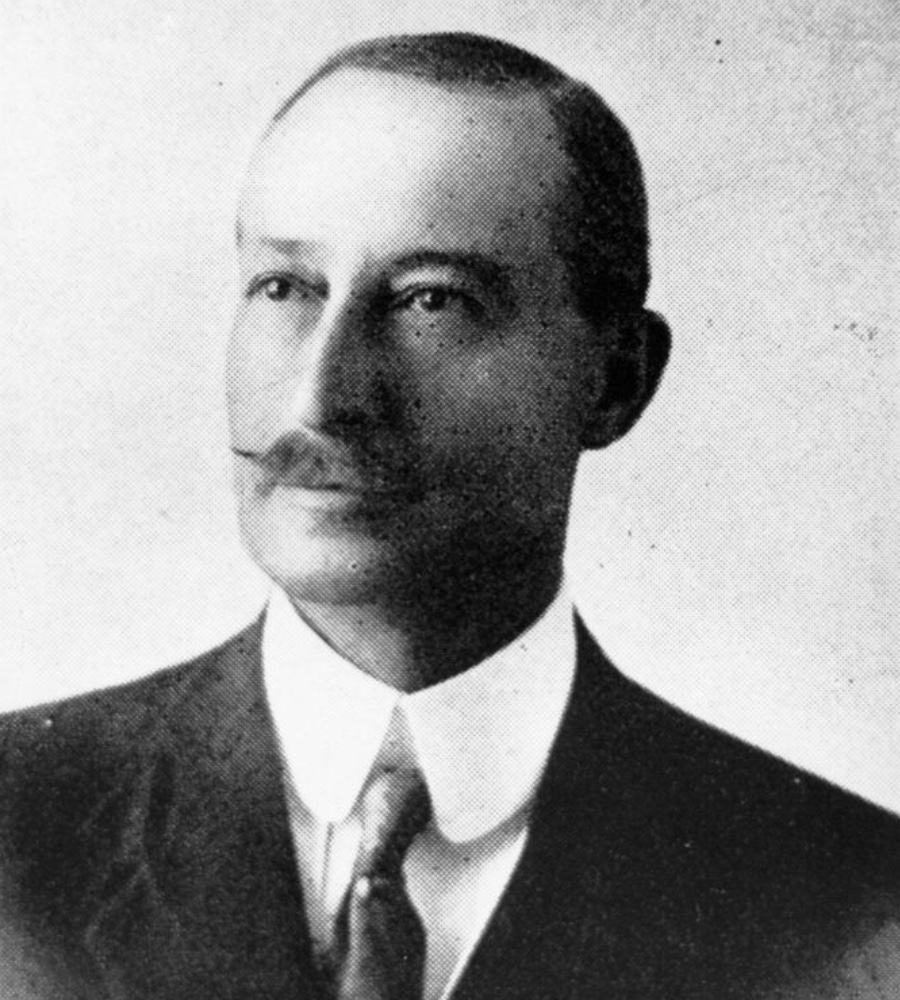
Albert P Greenfield  Clayfield
Dr Albert P Greenfield 
Photo Credit: State Library of Queensland

Tresco is a Federation-era home that was entered into Brisbane’s heritage listing for its links to Mr Bernays and Mr Greenfield, two very important people in Clayfield. The property has not been on the market since 1998 when it sold for $1.45 million.

Tresco Adelaide St East current
Photo Credit: BCC

143 Adelaide St East: Heritage-listed Mardan 

John Spence Irvine had Mardan constructed from 1908, upon his marriage to Clara. He was a religious Baptist who managed the Foy and Gibson drapery firm in Fortitude Valley. In 1912, James Peter Peterson bought Mardan from the Irvines when he retired from Longreach Shire Council to Brisbane. He was also known as one of the best-known pastoralists in Queensland. 

Mr Peterson was married to Sarah Fagg, a well-known philanthropist who received an MBE from the British monarch for her philanthropy.

The couple had a son named Roy. Following Mr Peterson’s death in 1936, Sarah and then Roy stayed at Mardan until it was sold in 1953 to Carl Wallace Bishop. 

Mardan, another Federation-era home, is featured with wide verandahs with some ornate timberwork, a steeply pitched corrugated iron roof, and a landscaped garden with palm trees. It has been heritage-listed for its links to the Petersons and as an example of a subdivision of larger urban allotments within Clayfield.

In October 2021, Mardan was sold for $4.4 million. It was worth $775,000 when its previous owners bought the property in 1997.

heritage-listed mansions in Clayfield
Photo Credit: BCC

165 Adelaide St East: Heritage-listed Rangemoor 

The grand timber home was designed by prominent Queensland architect, Robin S. Dods, for former soldier turned merchant John W.H. Grout and his wife Winnifred. 


Rangemoor encapsulated the signature characteristics of Mr Dods’ designs such as the dominant roof form, side entrance porch, generous verandahs, and restrained timber detailing. He embellished the house with Spanish and Moorish features as a nod to Mr Grout’s role as the Vice-Consul for Spain.

Robert Smith Dods aka Robin Dods
Photo Credit: State Library of Queensland

After Mr Grout’s death in 1921, Dr Charles August Thelander and his wife Helene bought Rangemoor. Dr Thelander was a prominent obstetrician and paediatrician.

He was also a controversial figure in Brisbane as the Royal Commission Chairman who made a negative assessment of Sister Elizabeth Kenny’s treatment of poliomyelitis. Sister Elizabeth was another popular figure in Brisbane, whose approach to polio was actually adopted worldwide.

Charles August Thelander  Clayfield
Dr Charles August Thelander  
Photo Credit: State Library of Queensland

The Thelanders owned Rangemoor for at least three decades after the doctor’s death in 1959. The family did some renovations and upgrades to the house in all those years but many of Mr Dods’ original designs remained. The acres of land were also subdivided and sold whilst the Thelanders retained the old home.

In 1988, the Thelanders sold Rangemoor for $650,000. It was last on the market in 2010 and was then valued at $5.8 million.

Private Security Guards Hired to Patrol Streets in Clayfield, Ascot and Hamilton

Having had enough of rising incidences of crime in their area, some residents in affluent Clayfield, Ascot, and Hamilton have now contracted private security services to keep would-be offenders at bay.


It has been nine months since several communities in Clayfield, Ascot, and Hamilton decided to hire private security guards to keep watch over their streets during the evening. These affluent communities have seen increasing incidences of vehicle theft and unlawful entry and they can no longer put up with it. 

Armed with high-visibility security vests and a flashlight, private security guards at these suburbs patrol the streets during the night. Some are also assigned to just one specific area. Residents hope that security guards patrolling at night would help deter crime in their area.

Queensland Police Services said that the community-initiated measure does help in lowering the crime rate and that these trained private security guards understand when a situation needs to be escalated to QPS for assistance.


Last year, Ex-Wallaby Toutai Kefu and his family were violently attacked after their Coorparoo home was broken into, allegedly by three teenage boys armed with knives, an axe, and a machete. The horrific home invasion incident prompted residents to beef up their home security to protect their homes from criminal activities.

How do you conduct a home security assessment?

First off, good home security should:

  • make it easy for an offender to be seen
  • make it difficult for an offender to gain entry
  • make it difficult for an offender to exit with your property
  • make it difficult for an offender to gain benefit from your property.

When conducting a home security review and identifying your existing and potential security opportunities, QPS advises that the best place to start is from the outside and then work inwards. 

Otherwise called the “layered approach”, homeowners should start their home security assessment from the external perimeter, then proceed to the external wall and access before checking the internal walls. After that, the next step is the internal areas, then the property and lastly, the people.

The video below discusses in detail the steps you need to take for a thorough home security assessment. 

Reviewing home security | Video Credit: QueenslandPolice / YouTube

If you happen to have information for the police, you may contact Policelink immediately and provide the information using the online suspicious activity form. Or you may report crime information anonymously via Crime Stoppers or call 1800 333 000.

Track the Evolution of this Junction Road Heritage Shop and Residence in Clayfield

Along Junction Road stands a shop and former residence, one of the early 20th-century commercial buildings that demonstrate the development of commercial and retail services in Clayfield.

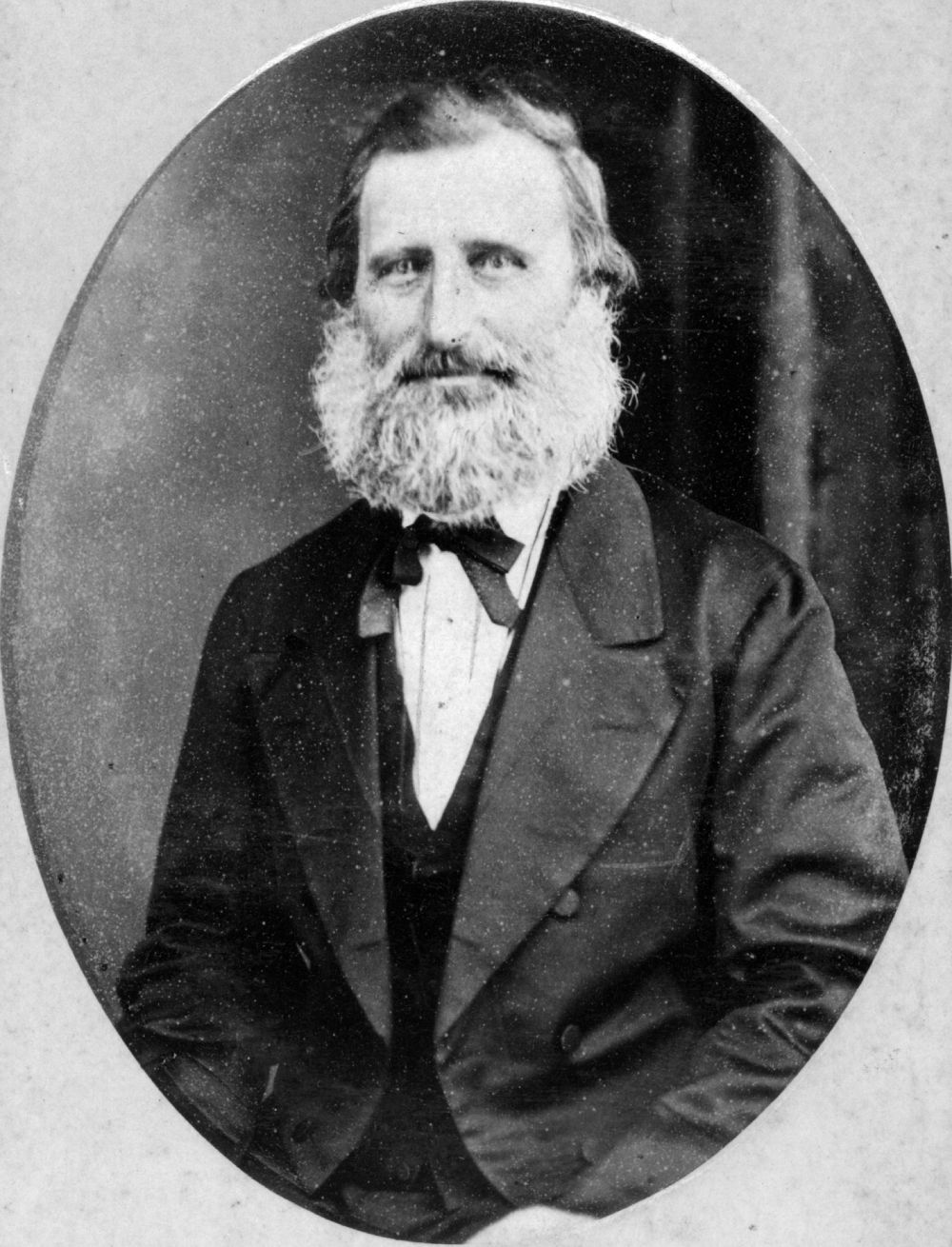
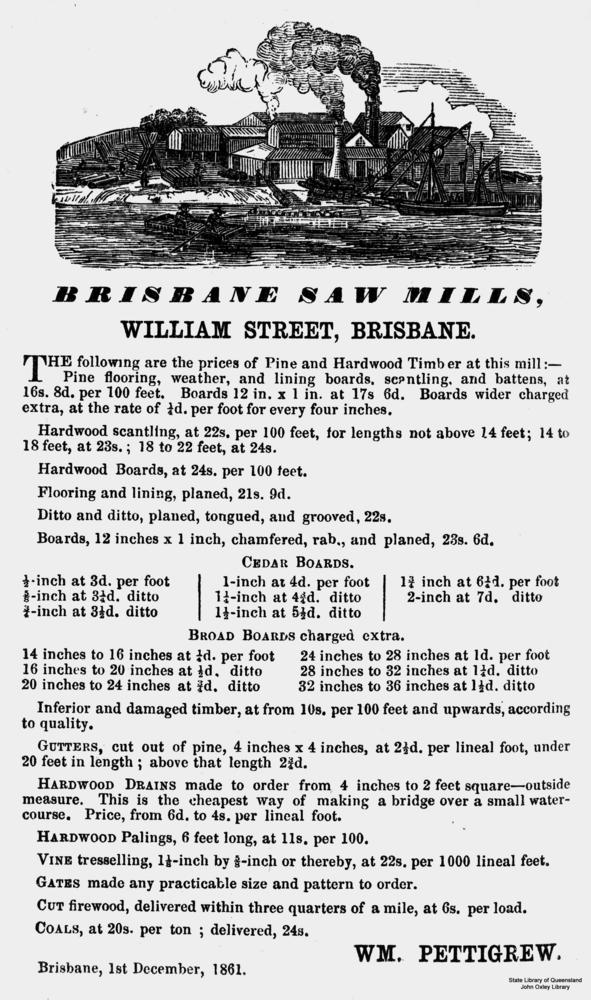
Originally, the land on Junction Road was owned by William Pettigrew, a 19th-century alderman and a former mayor of Brisbane. Prior to his life as a public servant, he was also a surveyor who managed a sawmill business, thus he was familiar with the quality and profitability of timber.

William Pettigrew
Photo Credit: Wikimedia Commons

When the railways opened, Clayfield attracted more residents as well as businesses.  In the 1860s, his property on Junction Rd was sold and subdivided for residential and railway developments.

William Pettigrew Sawmill business
Photo Credit: Wikimedia Commons

In 1920, the Hough family constructed a store with a residence along this site on Junction Road, which was close to the Sandgate railway station. Two years later, Henry and Lilias Greenham acquired the building from the Houghs. The Greenhams ran a grocery store but did not live on the property.


From General Store to Other Businesses

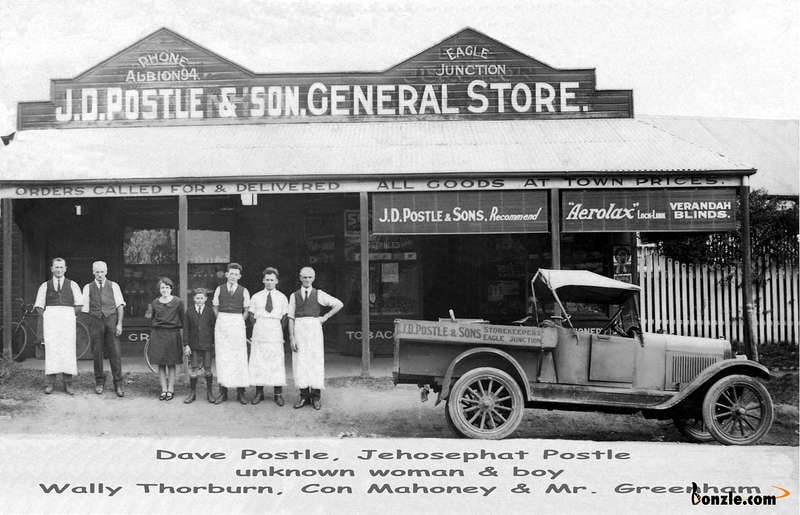
Around 1926, the Junction Rd shop became “JD Postle & Son” which sold general merchandise until the Second World War. 

Shop and residence JD Postle & Sons
Photo Credit: Bonzle.Com

When Mr Greenham died in 1951, the site was sold to a new owner. By then the Postles had left Brisbane, except for Albert (the leftmost person in the photo), who established AV Postle Real Estate, which remains active to this day.

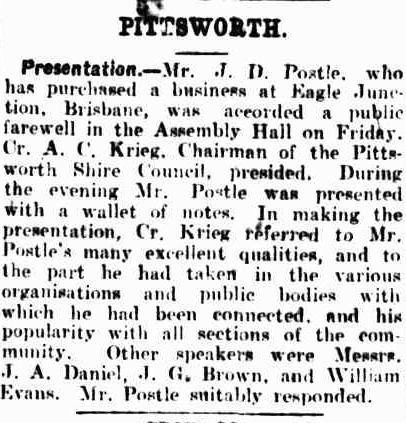
JD Postle leaves Brisbane
Photo Credit: NLA/Trove

After the Postles, the shop and residence became Lukey’s Groceries with a framing shop, owned by Ted and Bertha Lukey. They had a son who grew up in the area, went to the Eagle Junction School, and served in the war.

The shop and residence was also the home to the first outlet of Margaret Woodcarft Cheesecake. In the ’60s, the site was a barbershop operated by Trevor Mellit. In the ’70s, the shop and residence became an antique store managed by Kerry Murphy.

The building became a restaurant in the 1980s until Queensland Rail acquired the property.  In 2012, the site was sold for $650,000 to its new private owners.


Heritage Listing on Junction Road

In 2015, the shop and residence became the Wooden Horse Restaurant & Bar owned by siblings Dane and Morgan Hoey. The establishment is known for its brick oven pizza and has continued to operate post-pandemic. 

The site was entered into Brisbane’s Local Heritage Places in 2005 for demonstrating the evolution of commercial services in Clayfield. The building is also cited for its use of early 20th-century traditional timber and corrugated iron roofing. 

Clayfield Property Market Posts 28% Median House Price Growth

Rain and flooding across many suburbs of Brisbane did not quite dampen the Clayfield property market, which showed a 28 per cent median house price growth in the 12-month period ending Q1 2022, amidst strong demand and renewed interstate and overseas buying activity.


Clayfield House Price Growth

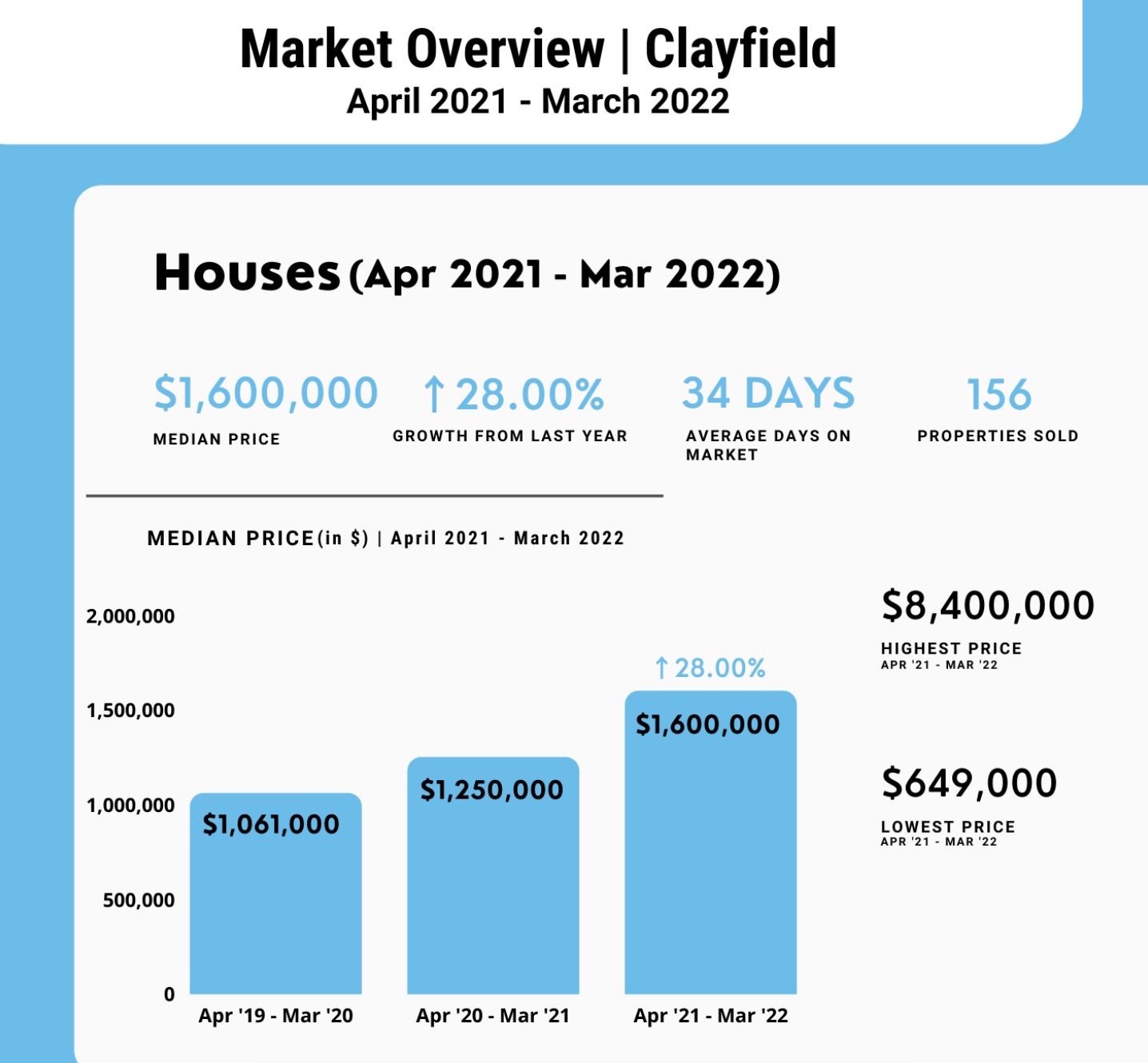
Clayfield’s median house price continues to trend upwards, reflecting a 28 per cent growth for the period of April 2021 to March 2022. According to Property Market Updates, Clayfield’s median house price is now at $1.6 million, up from $1.25 million in the previous 12-month period. 

For this period, 156 properties were successfully closed within an average of 34 days on market. Three-bedroom homes sold the fastest at less than a month average time on market.  

Clayfield House Price Growth
Photo Credit: Property Market Updates

A mansion on Union Street with over six rooms closed a record-breaking deal for a high price of $8.4 million. The buyer is said to be from overseas but the border’s reopening is bringing cashed-up expats back home who are ready to invest in the property market.
Alongside these affluent buyers, however, are a lot of frustrated buyers who have missed out on opportunities to snag their dream homes in the Clayfield property market, amidst stiff competition.
Clayfield Unit Price Growth

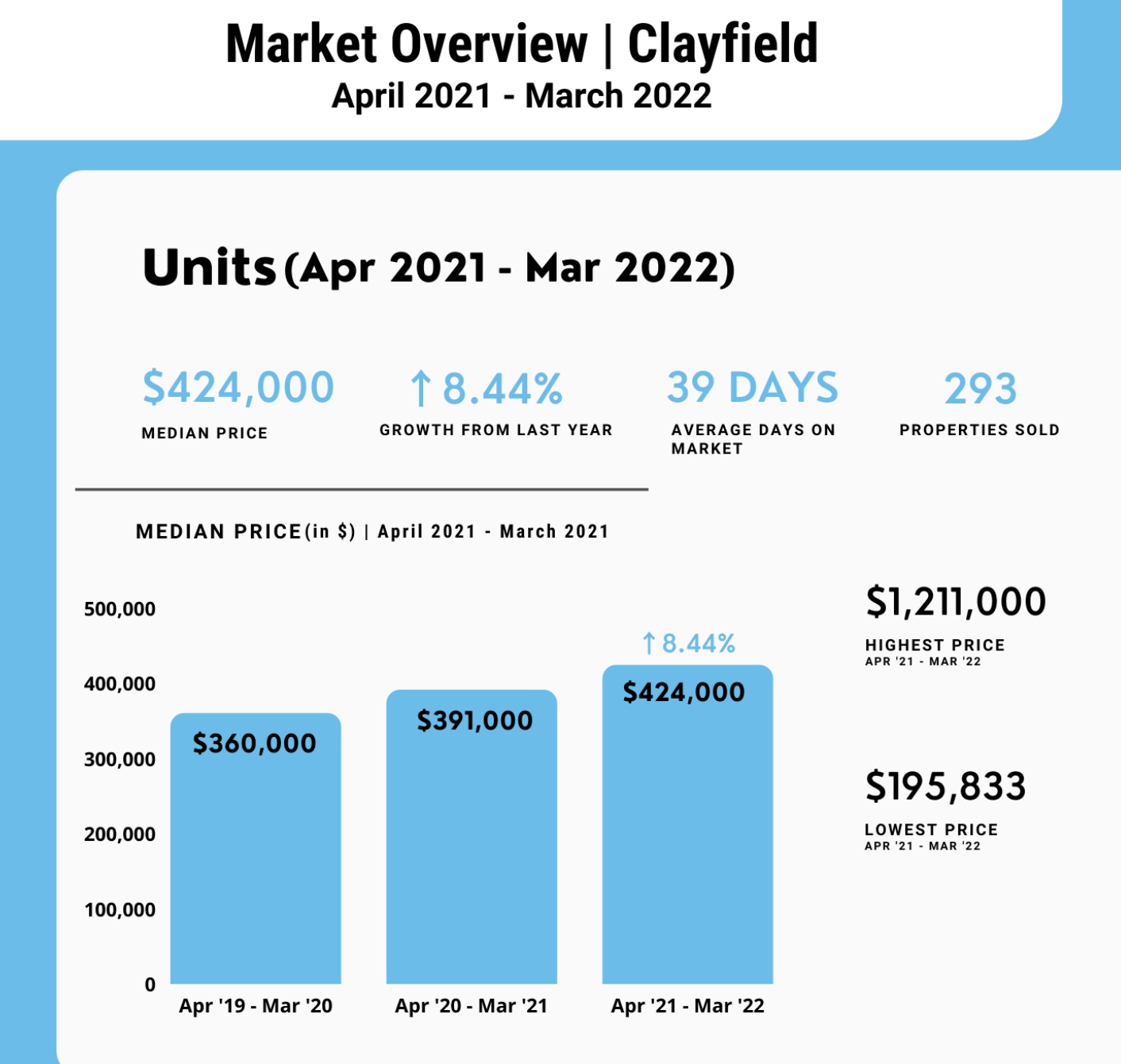
The unit market in Clayfield has also been tracking upwards, with an 8.44 per cent increase observed from April 2021 to March 2022. The median unit price is at a comfortable $424,000. This is still quite affordable for first-home buyers looking to buy into a prestige suburb.

Clayfield Unit Price Growth
Photo Credit: Property Market Updates

About 293 units were sold during this period at an average of 39 days on market, per figures from Property Market Updates. The majority of the buyers hunted and closed deals for two-bedroom units in desirable Clayfield streets, which means that the properties will grow in value over time. 

About Clayfield

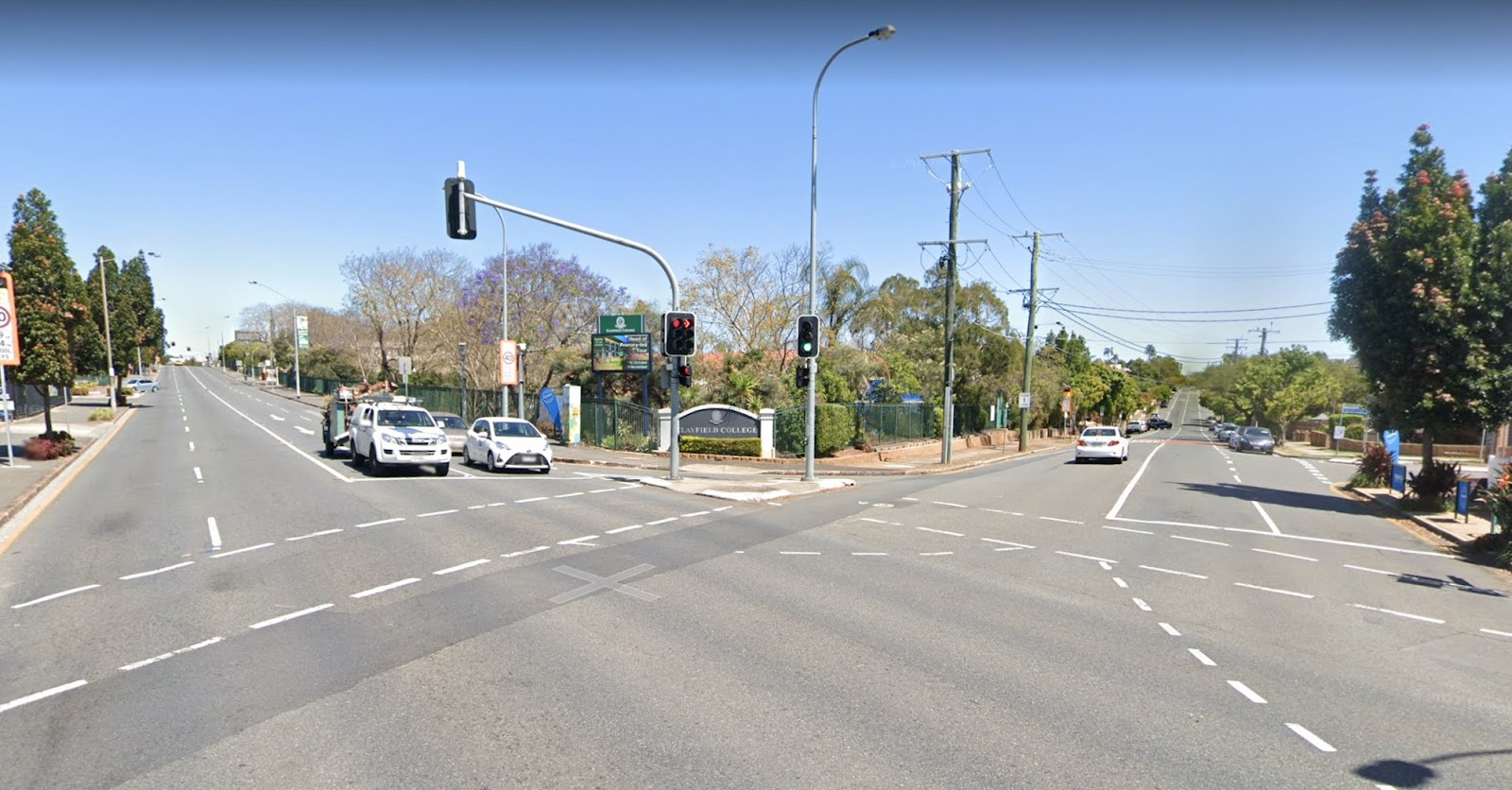
Clayfield is one of Brisbane’s well-connected suburbs, with access to train stations, the nearby Airport Link and Inner City Bypass. Located just six kilometres northeast of the CBD, Clayfield is one of Brisbane’s most prestigious suburbs.

Photo Credit: Google Maps

The locale is dominated by heaps of post-war homes, Queenslanders and the more modern brick and tile properties alongside tree-lined streets. Because the suburb has many parks and good private schools, Clayfield is very attractive to young families who want to set their roots in Brisbane for the long term. 

Another wonderful feature of Clayfield is its close proximity to other suburbs like Ascot or Nundah, where lifestyle precincts for dining, shopping, and recreation are quite accessible. 


“I live in Bonney Av, very close to the rail station. The suburb is peaceful and enjoyable. I love its proximity to the City as I study engineering at UTS. I work in South Brisbane, which takes me less than 30 mins to get to work. I find people friendly and welcoming. Love Nundah cafes & the local library.”
Phil

“Clayfield is a great suburb to live in and it is very handy to everything. There is a mix of housing and it ranges from several pockets of very expensive houses through to older style quite affordable units. I would highly recommend Clayfield as a great suburb to live in.”

Chris

Locals Have Mixed Reactions To Stage 5 Of North Brisbane Bikeway

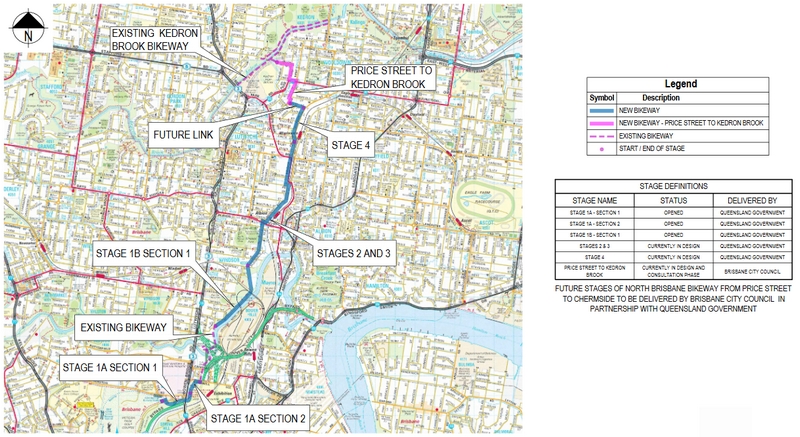
The proposed extension of the popular North Brisbane Bikeway from Price Street to Kedron Brook has been met with mixed reactions from residents.


Read: Clayfield: Revisiting the Historical Places That Made This Suburb Great


Bicycle user groups, such as the Brisbane North Bicycle Users Group have welcomed the proposal for the safety of cyclists, stating that any other route would cause more disruption.
Aside from expressing their support for the Stage 5 of North Brisbane Bikeway, they also suggested that Brisbane City Council consider the All the Way to EJ bikeway if they want a quick win now. The said bikeway will finish a safe 40 kilometre route from the centre of Brisbane out to Redcliffe.

Photo credit: Brisbane City Council

“All the Way to EJ is the most direct and simple route for a bikeway from Wooloowin to Clayfield, and will be cheaper than any indirect alternative routes,” Brisbane North BUG stated.

Whilst cyclists welcomed the project, local residents and businesses are worried that the extension of the bikeway could cause more congestion and affect establishments in the area.

The project, located between Dickson Street, Wooloowin and Jackson St, Clayfield, has received over 1,000 submissions, including more than 800 online surveys. 

This includes opposition from businesses along Dickson St, where Brisbane City Council has proposed two different crossing options that will connect the bikeway with a new crossing along Junction Rd/Keith St. 

In late 2021, Sydney St homeowner Mal Peters organised a petition sponsored by Member for Clayfield, Tim Nicholls MP. 

Petitioners complained about the lack of community consultation for the preferred route and have requested the State Government to investigate alternative routes for Stage 5 of the bikeway.

Photo credit: Nasirun Khan/Pexels

Minister for Transport and Main Roads Mark Bailey responded to the petition, saying that although stages 1 to 4 of the North Brisbane Bikeway is designed and funded by the Queensland Government, stage 5 is the responsibility of Brisbane City Council.

Councillor for Chandler Ward Ryan Murphy, who’s also Civic Cabinet Chair for Transport at BCC, said they are already assessing the feedback received during the consultation period. 

Cr Murphy assured that they will consider all the feedback from locals and businesses and will provide an update once the assessment is done. 

The Old and the New: Evolution of Sandgate Road in Clayfield

Sandgate Road stretches 13.1 kilometres through various suburbs. In Clayfield, it is located at the Clayfield-Nundah boundary and crosses the Doomben-Pinkenba railway line through an overpass. Did you know that the original Sandgate Rd is not exactly the Sandgate Rd that we now know?

Designated as State Route 26, this major road is divided into four or six lanes and leads to Junction Road from Clayfield, to get to Hendra or Wooloowin, and Oriel Road, to get to Ascot. Aside from Clayfield, Sandgate Rd also traverses Albion, Nundah, Virginia, Boondall, and Deagon.

Bonney Ave: Old Sandgate Road

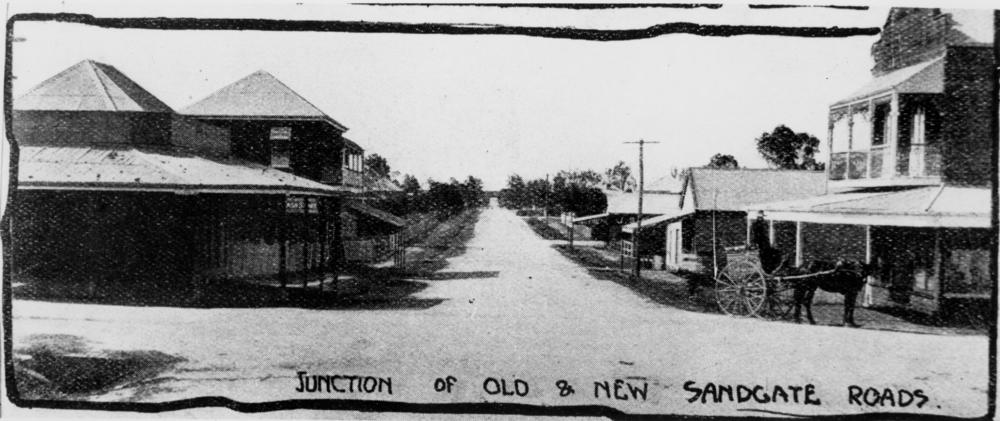
European settlers were already living along Sandgate Road as early as 1838 but the original access to get to Albion was a few miles off, in a street now known as Bonney Ave, which joined Jackson Street in the Eagle Junction area. At that time, this old Sandgate Road was the main link to Nudgee.

The area was often plagued with floods, causing extreme inconvenience and hazard to resiidents and traders, especially during the wet season. Travellers had to get off their wagons and row their produce or baggage across in narrow flat-bottomed boats to continue with their journey.

Soon enough, local demand raised a need to re-route the road to a “new” Sandgate Road, sometime in the 1870s.

Junction of Old and New Sandgate Roads
Photo Credit: State Library of Queensland


New Sandgate Road

To make sure that all concerns were considered, the location and route of the new Sandgate Road was repeatedly surveyed and much deliberated nearly a full decade before it came to be.

Initially, it started along the stretch of Gregory Street, passing through Clayfield in the northeast beyond the site of what’s now known as the Clayfield Railway Station. During this time, the railway had not even been surveyed yet. The railway would be established decades later.

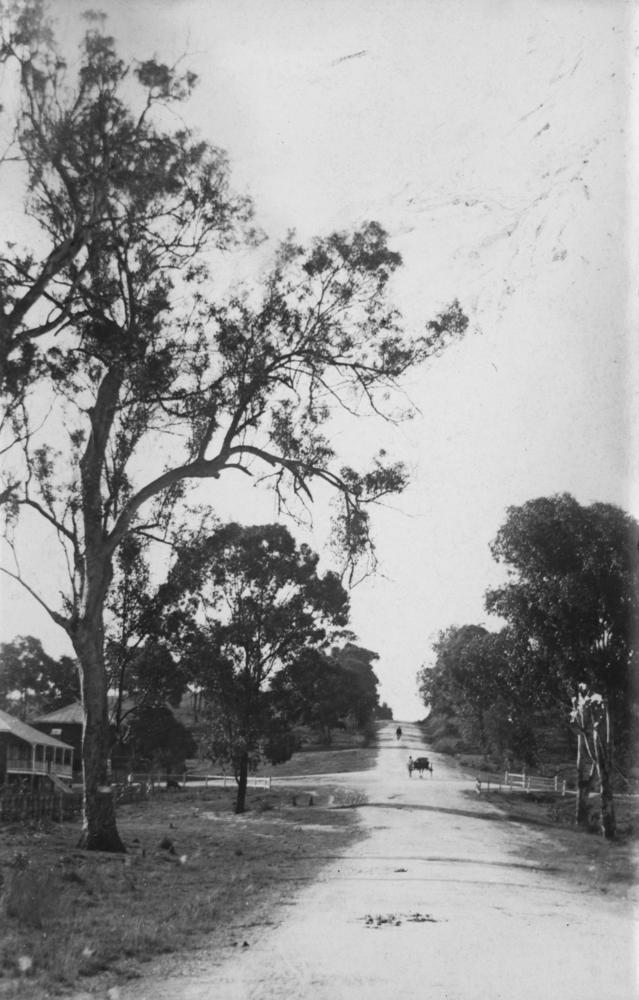
New Sandgate Road circa 1910
Photo Credit: State Library of Queensland

The land where the new Sandgate Road finally came to pass was bought from William Widdop, Theodor Franz, J. G. Wagner, R. Curtis, and Kate Falkner. The deeds were sub-divided, disposed and signed by 1877. 

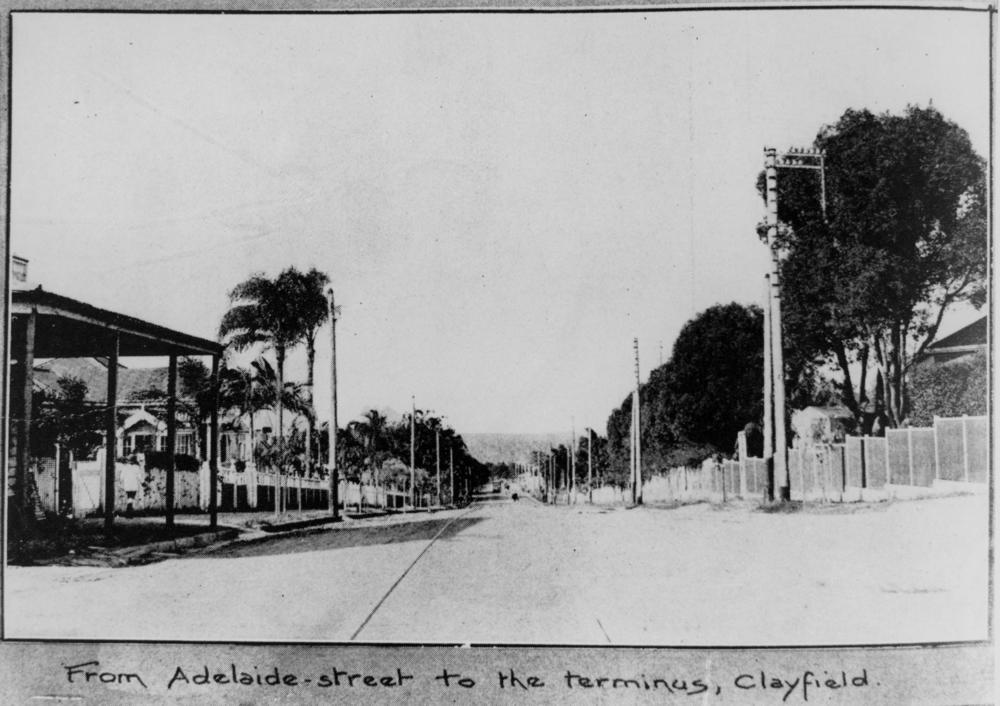
Upon its establishment, the new Sandgate Road became a major route for residents of Clayfield and the surrounding districts, as well as for travellers coming from the river, the Eagle Junction, and the Racecourse Station (Ascot Station), who were headed to Brisbane CBD.

From Adelaide St to the terminus in Clayfield
Photo Credit: State Library of Queensland
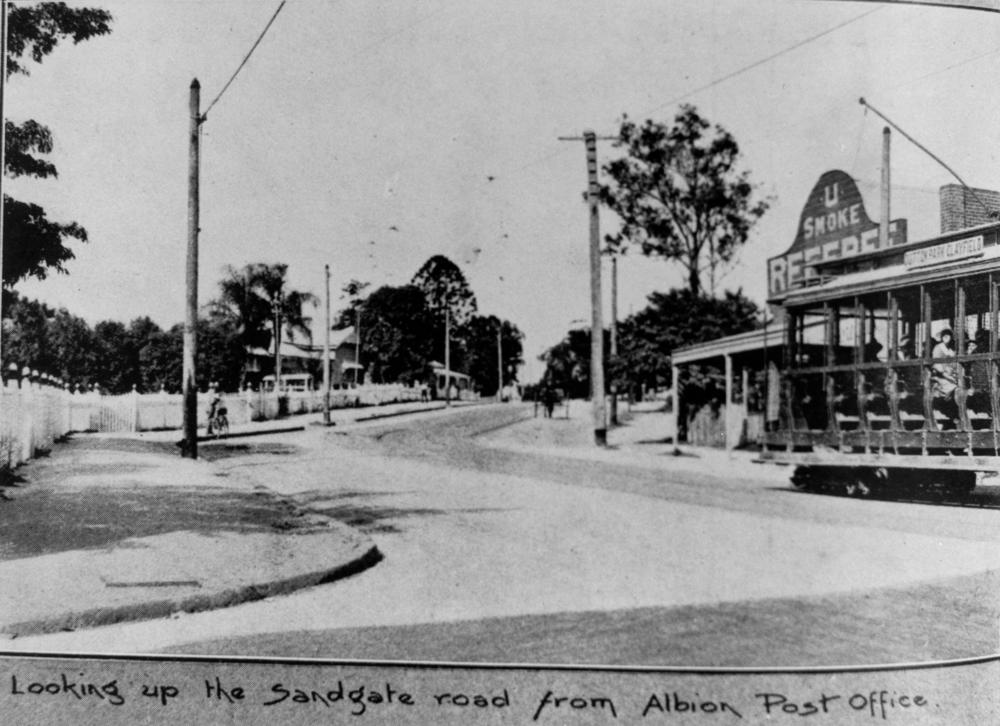
Sandgate Rd from Albion Post Office
Photo Credit: State Library of Queensland

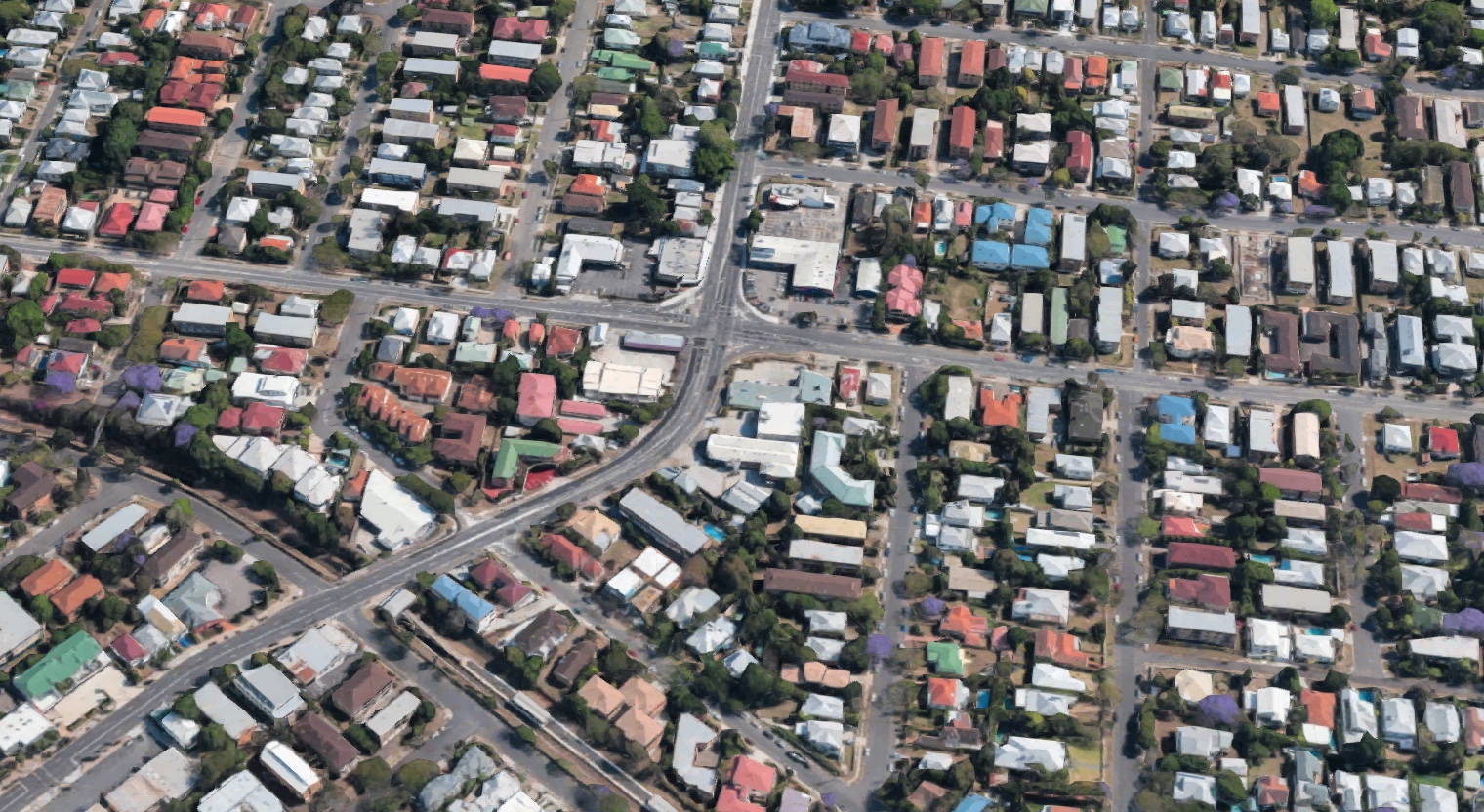
The road had a peculiar, sharp, angular turn near Junction Road, where it veered away from a large paddock that could not be removed without the permission of an owner who could not be located.

Sandgate Rd aerial view
Photo Credit: Google Maps

Road planners also did not anticipate the increasing traffic that commuters had to endure along Sandgate Road until the Hornibrook Highway opened in 1935. Further east, the Gateway Arterial was constructed to ease the pressure and congestion in the area. 

What Happened to the Old Sandgate Rd?

The old Sandgate Road was renamed Bonney Ave for Mrs Maude Rose Lores Bonney, a pioneering Australian aviator, who was born in South Africa, educated in Melbourne, and then married Harry Barrington Bonney, a leather goods manufacturer. The couple settled in Bowen Hills. 

Maude Rose Lores Bonney
Photo Credit: Wikimedia Commons

Mrs Bonney had always been interested in aviation. She took lessons in secret until she got her pilot licence in 1930. When her husband found out, he bought her “My Little Ship,” a de Havilland DH.60 Gypsy Moth. 

Mrs Bonney had four major solo fights. She recorded the longest one-day flight to be ever achieved by an Australian female pilot when she left Brisbane on Boxing Day in 1931 at 4:30 a.m. to arrive in Wangaratta, Victoria at 7:20 p.m. — just in time to spend dinner with her father.


She was also the first woman to circumnavigate the Australian mainland by air and the first woman to fly from Australia to England. She earned her commercial licence in 1932 and also served on the Women’s Voluntary National Register of Queensland during World War II. 

Mrs Bonney retired from flying in 1949 when her eyesight started to fail. She died at the age of 96 in 1994.  

Plans Unveiled For New Townhouse Project In Wooloowin

A developer has submitted plans to reconfigure one lot along Bridge St, Wooloowin into 25 lots for a multiple-dwelling project. 


Read: Clayfield Villagio Shopping Centre Revitalisation Proposed


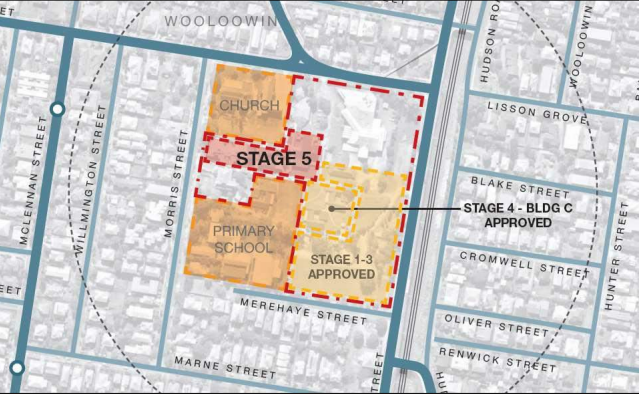
Plans have been submitted by Dunland Property to Council, seeking to establish 25 units across five cluster buildings, which will have a maximum height of three storeys each. 

Photo credit: Brisbane City Council PD Online

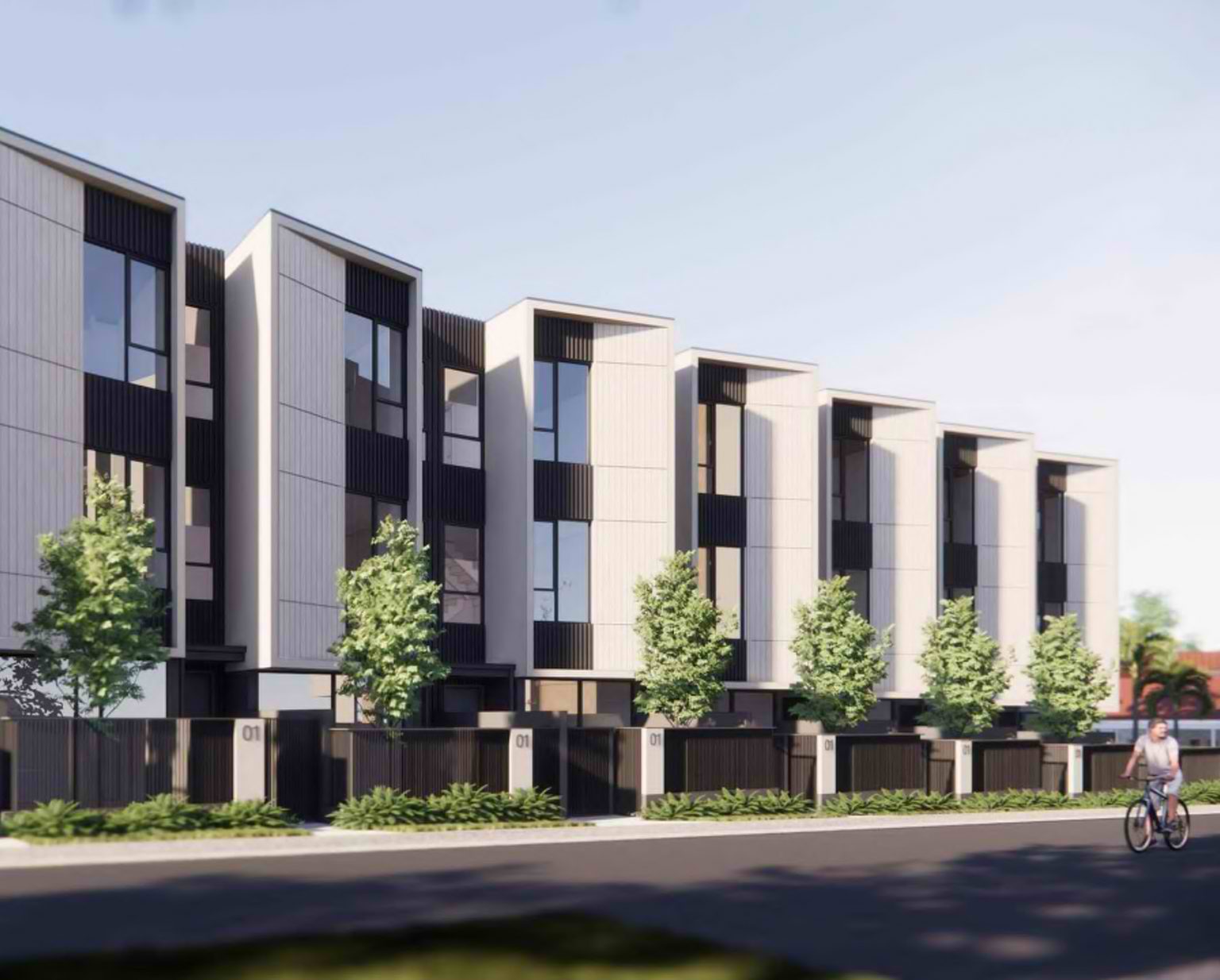
Around 17 of the townhouses will be two-storey dwellings whilst the remaining eight will be three-storey dwellings. All dwellings will contain two car spaces per allotment and private open space provided through rear courtyards and balconies. 

The proposal includes car parking space for 50 vehicles and 12 more for visitors as well as bicycle parking within the garage of each townhouse. 

Photo credit: Brisbane City Council PD Online

The proposal is for Stage 5 of Wooloowin Residences, which previously received approval.

The subject site, which has a total area of 36,880sqm, is located at 60 Bridge St, Wooloowin. 

Designed by Rothelowman, the living areas at ground level will have direct access to courtyards whilst those on upper level would have direct access to balconies, with secondary areas provided at ground level. 

Photo credit: Brisbane City Council PD Online

“The proposed dwellings comply with the maximum building height and setback plan requirements for the precinct. The proposal seeks a building height of 2 storeys and 3 storeys, and the permitted building height for this precinct is 2 and 3 storeys,” the planning documents read.

“The proposed dwellings are not located within the Heritage Laundry Precinct, however they comply with the maximum building height and setbacks plan requirement for the precinct,” said planners at RPS. 

Further details about the proposed multiple dwellings can be viewed at Brisbane City Council’s website with the reference A005904947.

Clayfield Villagio Shopping Centre Revitalisation Proposed

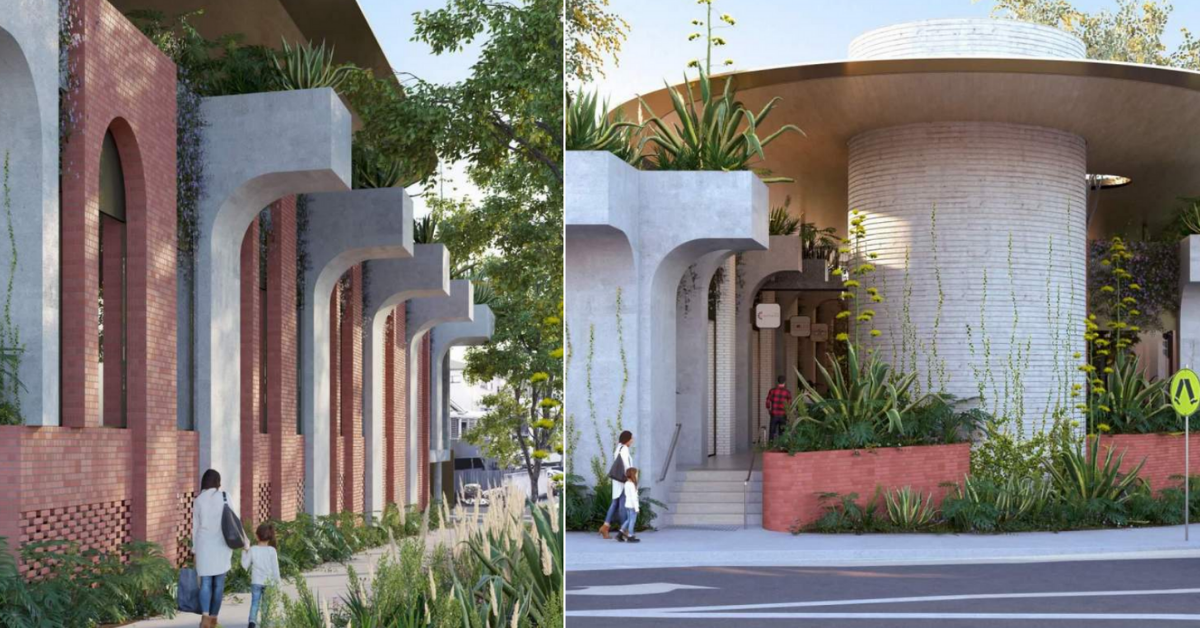
Clayfield Villagio Shopping Centre could be set for a major revitalisation and expansion if a recently lodged development application, which will see the development of a new signature building, gets the green light.


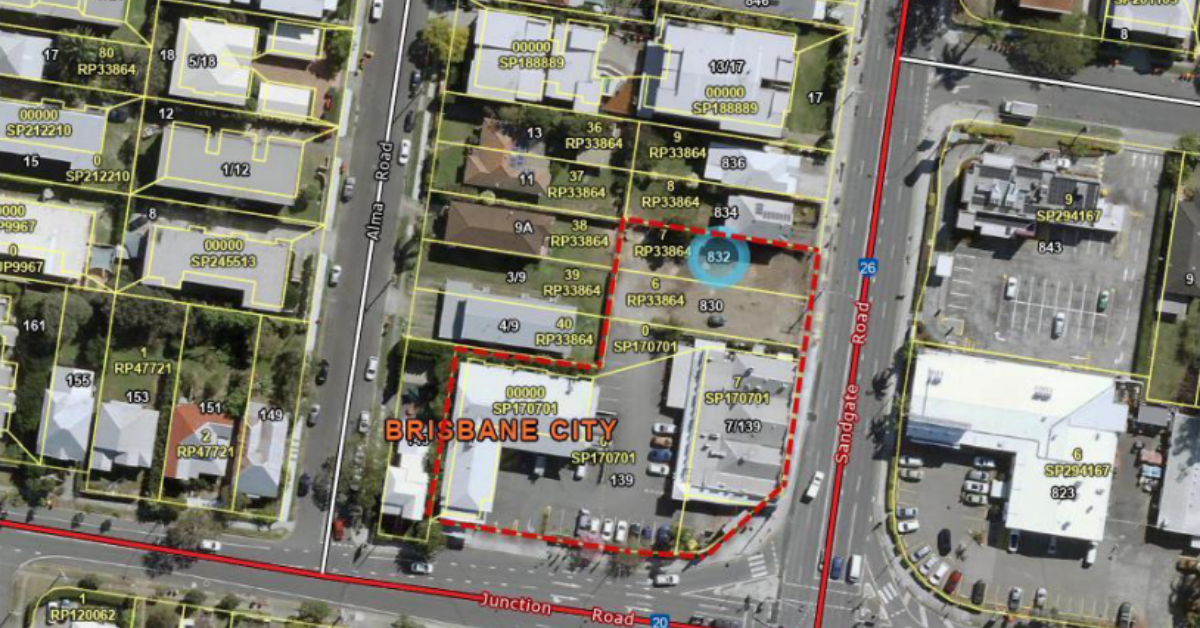
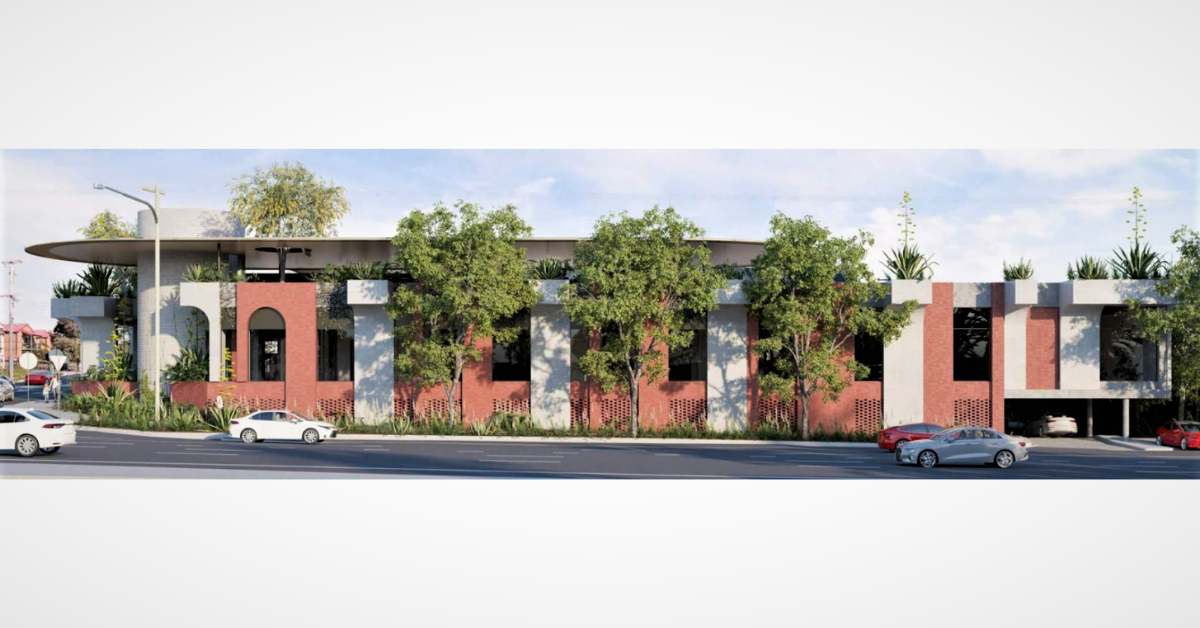
The proposal seeks to extend the existing centre activities by establishing a new 1,659sqm signature building including a rooftop deck area. Designed by Feather and Lawry Design, the plans will require the demolition of the existing building to facilitate the construction of the proposed new building at 830-832 Sandgate Road and 139 Junction Road, Clayfield which will offer a range of tenancy arrangements.

Proposed site ( Clayfield Villagio Shopping Centre)
Proposed site ( Clayfield Villagio Shopping Centre) | Photo Credit: Brisbane City Council / developmenti.brisbane.qld.gov.au

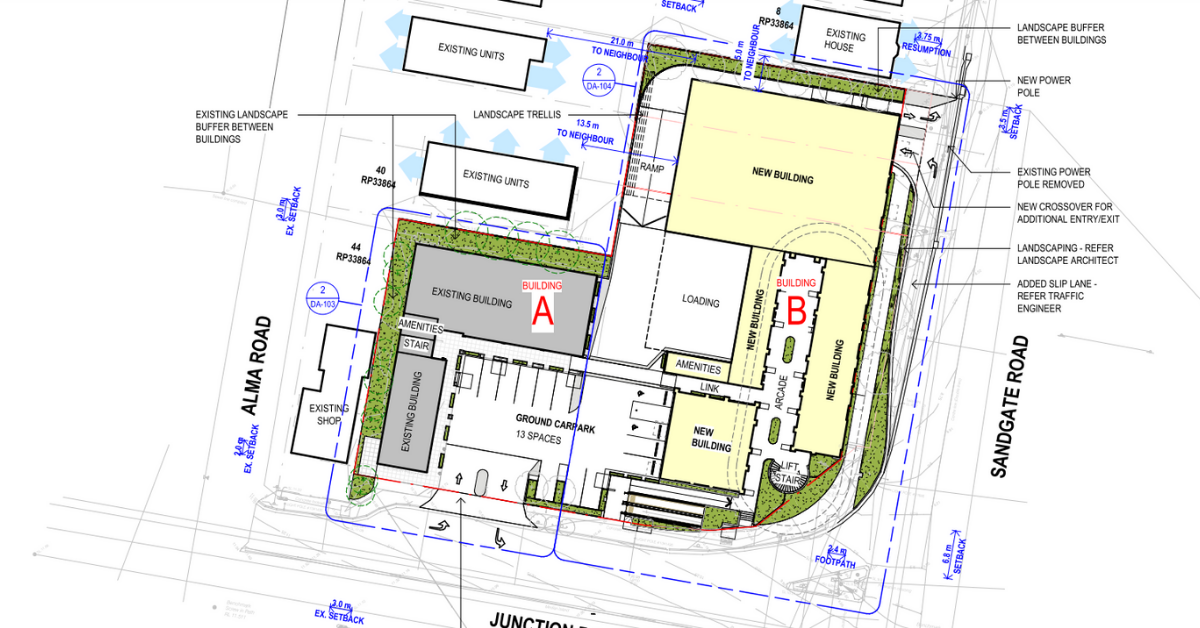
Site plan
Site plan | Photo Credit: Brisbane City Council / developmenti.brisbane.qld.gov.au

“The proposal to extend and upgrade the existing centre will revitalise the centre to facilitate increased use and capacity to service local residents’ needs. The existing centre will be rejuvenated in terms of appearance and available range and variety of tenancy space to encourage increased social and economic activity to the site.”

Planning Initiatives

Junction Road view
Junction Road view | Photo Credit: Brisbane City Council / developmenti.brisbane.qld.gov.au
Sandgate Road view
Sandgate Road view | Photo Credit: Brisbane City Council / developmenti.brisbane.qld.gov.au
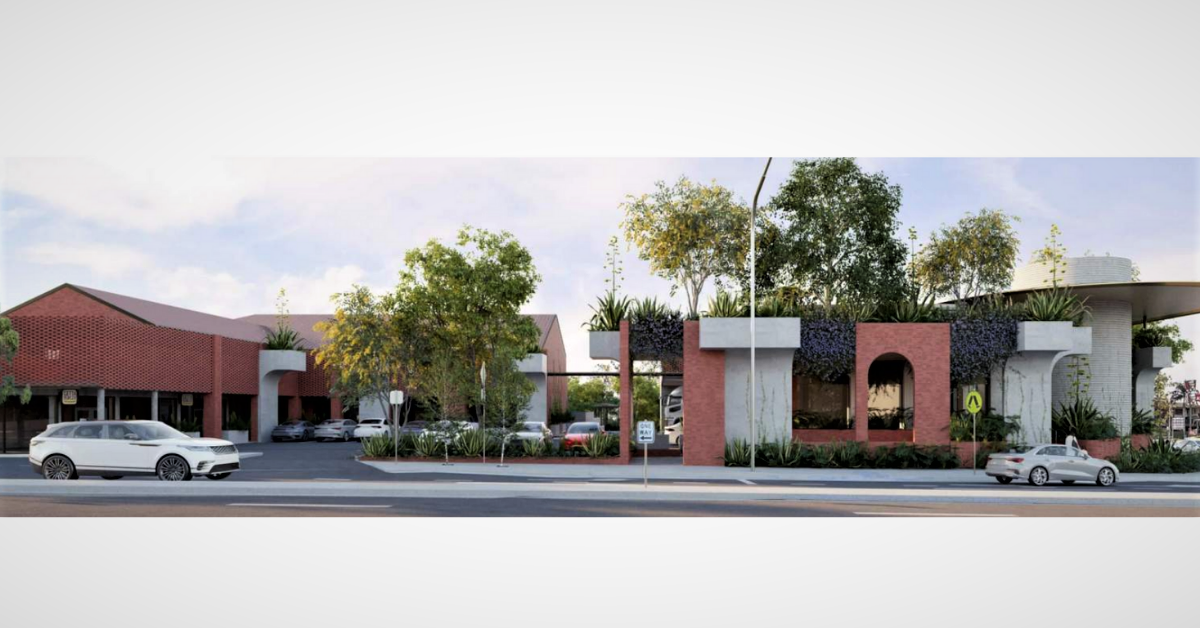
Artist impression of proposed Clayfield Villagio Shopping Centre Revitalisation
Photo Credit: Brisbane City Council / developmenti.brisbane.qld.gov.au

Moreover, the existing three-storey building fronting Junction Road will undergo a renovation with “new design and fenestration elements” whilst the five dwellings located on the upper level will be retained. Improvements to the existing building will include gable ends to the roofline, increased glazing and planters as well as new design elements achieved through the  “repetition of the brick arch features of the new building.”

The new three-storey signature building will have a total of 1,659sqm of floor space over two levels including a roof deck that can be accessed via a circular staircase surrounding the lift well. The car parking at the basement level will extend across the subject site, thereby, integrating it with the existing building’s car parking.

The application also proposes pedestrian access between the basement, street front and the first level through the inclusion of a ramp, stairs and travelator next to the Junction Road frontage. The new building will also include an atrium-style central arcade that will be connected to the existing building and accessible through a pedestrian walkway across the car parking area.


Also, including the 50 additional car spaces, there will be a total of 93 car spaces, comprising 13 spaces (including 2 PWD spaces) at the ground level and 80 spaces (including 5 secured spaces for residents) in the basement.

Upon completion of the proposed development, the site’s total GFA will increase to 2,659sqm from 1,699sqm and will comprise 588sqm of existing residential GFA and 2,071sqm of commercial floor area.

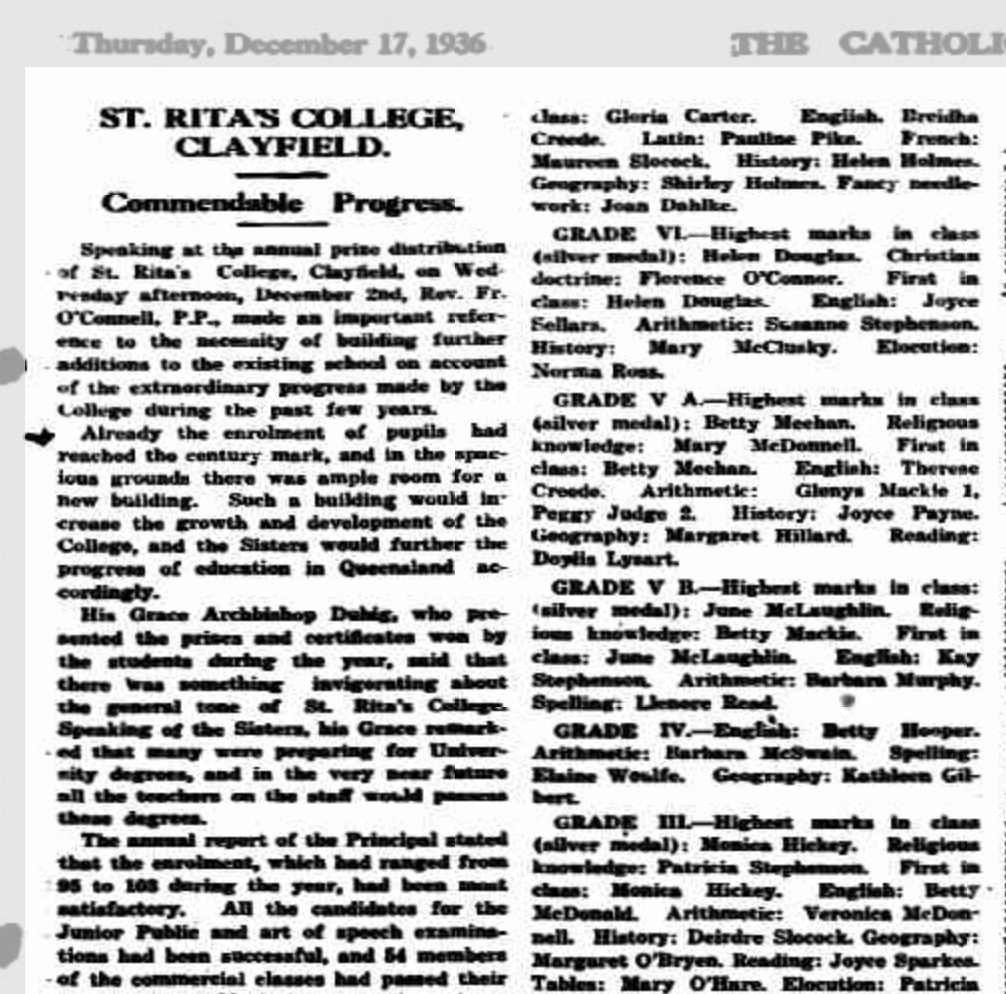
St Rita’s College Clayfield: Where and How It All Began

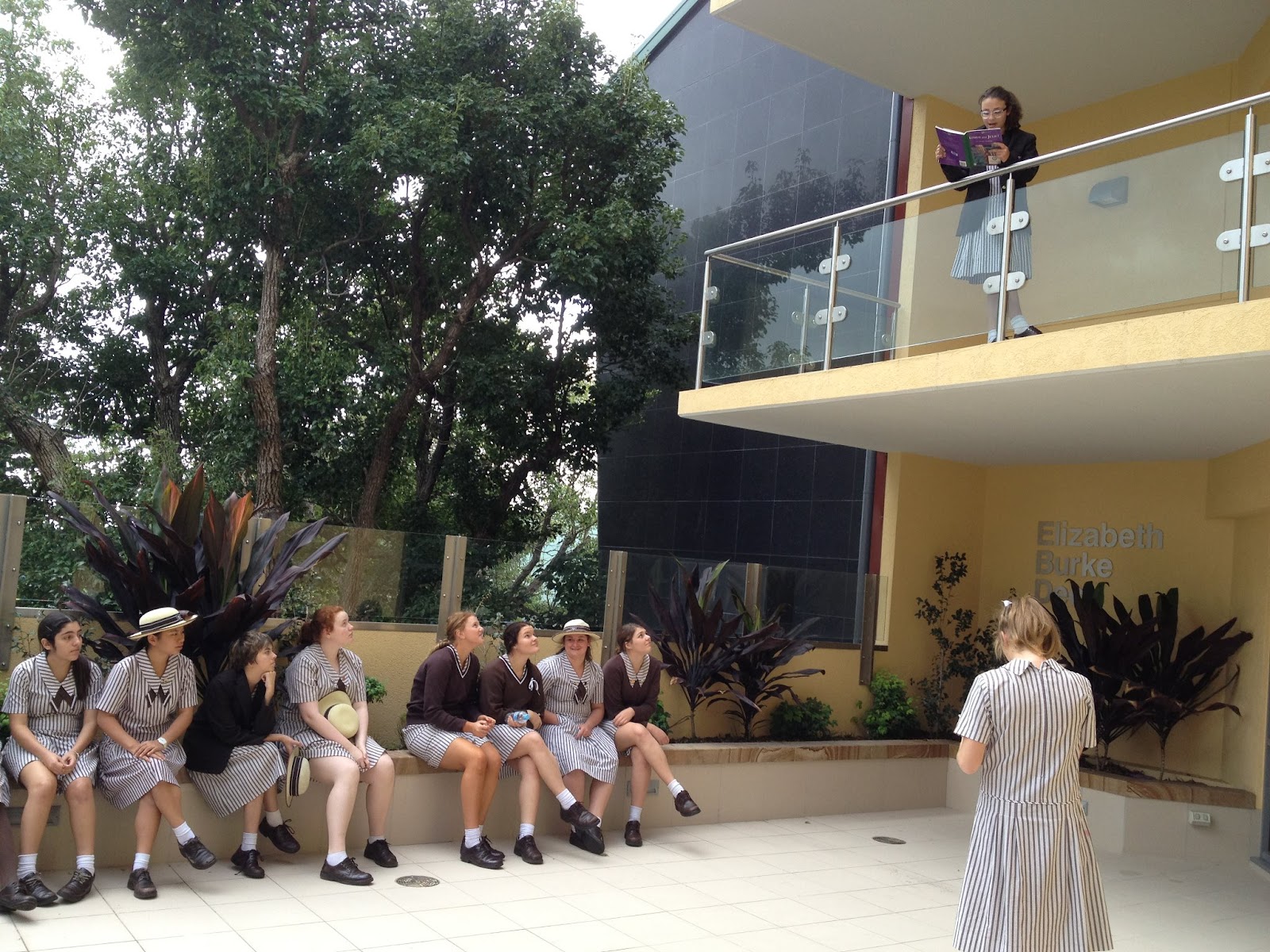
St Rita’s College, an independent Catholic secondary school for girls, was established by the Presentation Sisters in 1926. Do you know where the school got its name from, and where and how it began?

Oliver Jonker

The story goes that St. Rita’s College was named after Sister Rita, a member of their order. Others say the school was named after the saint of hopeless causes, St Rita of Cascia. Apparently, the Presentation Sisters were in a bit of a predicament as they had quite a debt to clear just to establish the school in Clayfield.  

The Early Days

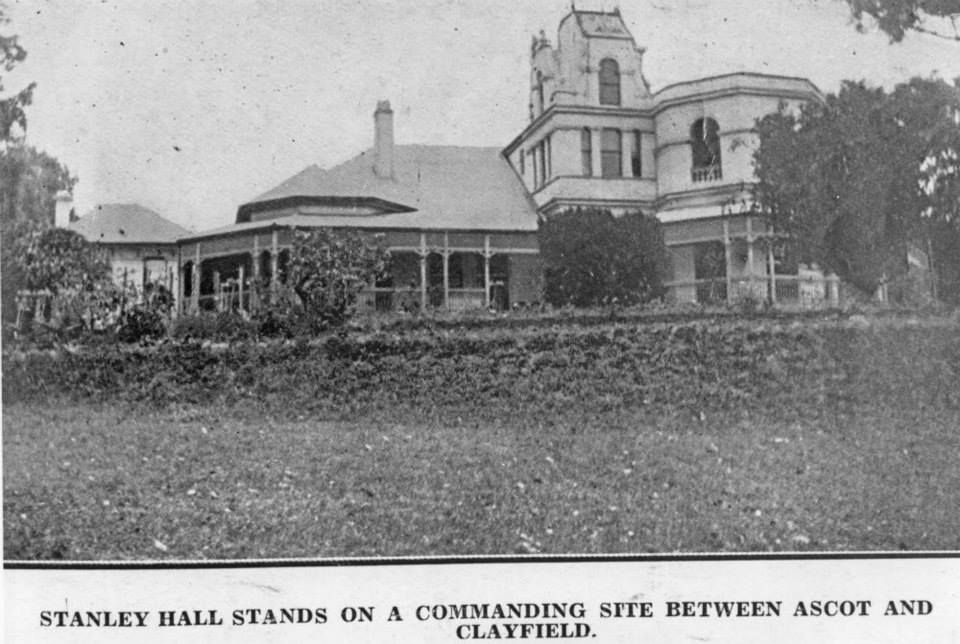
St Rita’s College was established in a prominent Clayfield residence known as Stanley Hall. Stanley Hall was originally built for Herbert Hunter in 1888 but it became the property of Edward Blume and his family from 1911 to 1926. 

Mother Alice Ursula Kennedy and Mother Mary Patrick Madden negotiated with Mr Blume, whose family was planning to move out of Stanley Hall, for the five-acre property. The sisters secured a bank loan worth £22,000 with Mr Fred Martin, the brother of Sister Rita Martin, as the guarantor. 

Stanley Hall Clayfield
Photo Credit: Lost Brisbane/Facebook

An Answered Prayer

Stanley Hall was an answered prayer for the Presentation Sisters who were still living at the presbytery of St. Agatha’s parish school a few meters away. Despite their debt, the sisters managed to make interior changes at Stanley Hall to prepare the site for primary school students.

The first classroom welcomed students in a humble heritage room with only 14 kids between six to 15 years old. The school still lacked amenities on account of the cash-strapped sisters. 

In 1927, the Department of Public Instruction granted St Rita’s College approval as a Queensland secondary school. But the Great Depression followed thus no additional facilities were built due to lack of funding. According to the Convent Annals, the Presentation Sisters were considering selling Stanley Hall and downsizing.


However, in spite of the bad state of the economy at that time, the school community thrived and secured years of new enrollees with the opening of the kindergarten department.

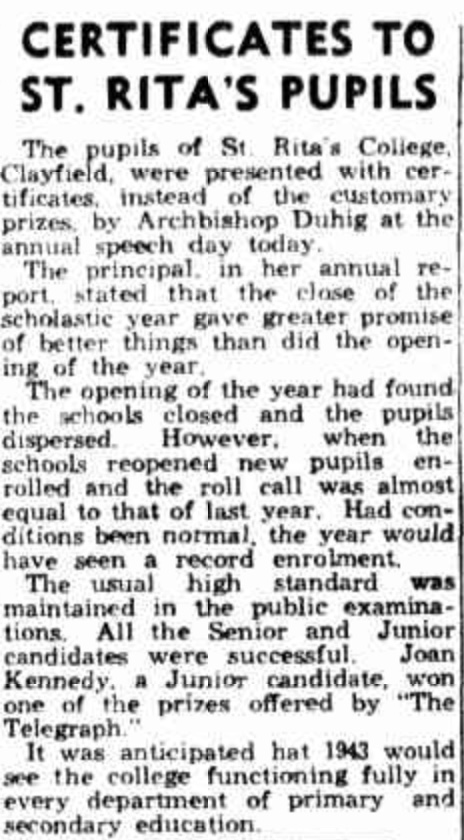
St Rita's College
Photo Credit: Trove

From Post-War Struggles to High Academic Standards

In 1938, the Kennedy Centre was built, which was named after Mother Alice, who was also the first principal of St Rita’s. The school also offered boarders and day boarding for its secondary students.

During World War II in 1941, the sisters and the boarders had to be evacuated to a convent in Murgon miles away from Clayfield. Upon the reopening of St Rita’s in 1943, subjects like Science, Music, Art, and Drama were introduced and have remained a major part of the school’s curriculum. 

St Rita's College post-war
Photo Credit: Trove

By the 1950s, St Rita’s was flourishing as a school offering high academic standards and a noteworthy music and drama department where the creative students were encouraged to pursue their dreams. In the 1960s, the school added the Sacred Heart Centre with more classrooms as well as the art physics centre.

Progressing With School Improvements

In the 1970s, the school scrapped the boarding facilities and built the Nano Nagle Centre with four science laboratories. It was named after the Irish pioneering founder of the Sisters of the Presentation of the Blessed Virgin Mary in the 1700s. 

The centre underwent a massive renovation in 2011 with the addition of more science laboratories, Information Technology network and support centre, function rooms, modern teaching rooms, a state-of-the-art resource centre, and a panoramic view of the northern bay suburbs.


The laboratory sections of the Nano Nagle Centre were renamed the Sister Elvera Sesta Science Centre, a former principal who was a science degree holder from the University of Queensland

St Rita's College Nano Nagle Centre
Photo Credit: StRitaCollege/Facebook

Subsequent rebuilds of St Rita’s College also took place for the next five decades to include the following:

  • Trinity Centre, where the school auditorium is found, alongside the Film and TV green room, drama rooms, and music rooms
  • Presentation Center, where hospitality, business, and design classrooms are housed 
  • Acqua Rose Centre, an aesthetically impressive building with a heated pool and glass windows
  • Eirene Centre, with its multi-purpose hall, art classrooms, and the gym
St Rita's College Trinity Centre
Photo Credit: M3 Architecture

St Rita’s College at Present

Today, the original Stanley Hall building serves as the school administration area. St Rita’s College maintains its reputation as highly-regarded as a Catholic independent girls school for Years 5 to 12 girls with more than 1,000 enrolments a year.

St Rita has proudly produced thousands of well-educated women who were encouraged to achieve their full potential. Some of the school’s most distinguished alums are  Julieanne Alroe, the CEO of Brisbane Airport, Chair of Infrastructure Australia, Eloise Amberger, an Olympian for Synchronised Swimming, Abbie Chatfield, a social media celebrity, Sophie Conway, Australian Rules Footballer with Brisbane Lions, Kate McCarthy, a sportsperson with Queensland Cricket and Brisbane Lions, and Georgia Prestwidge of the Brisbane Heat Cricket Team.

Photo Credit: StRita’sCollegeAlumnae/Facebook

In 2021, nine students from St Rita’s College scored an ATAR of 99+, which means they are among the top 1% of the state. 

Coming Full Circle: From Clayfield Markets Fresh to Harris Farm Markets

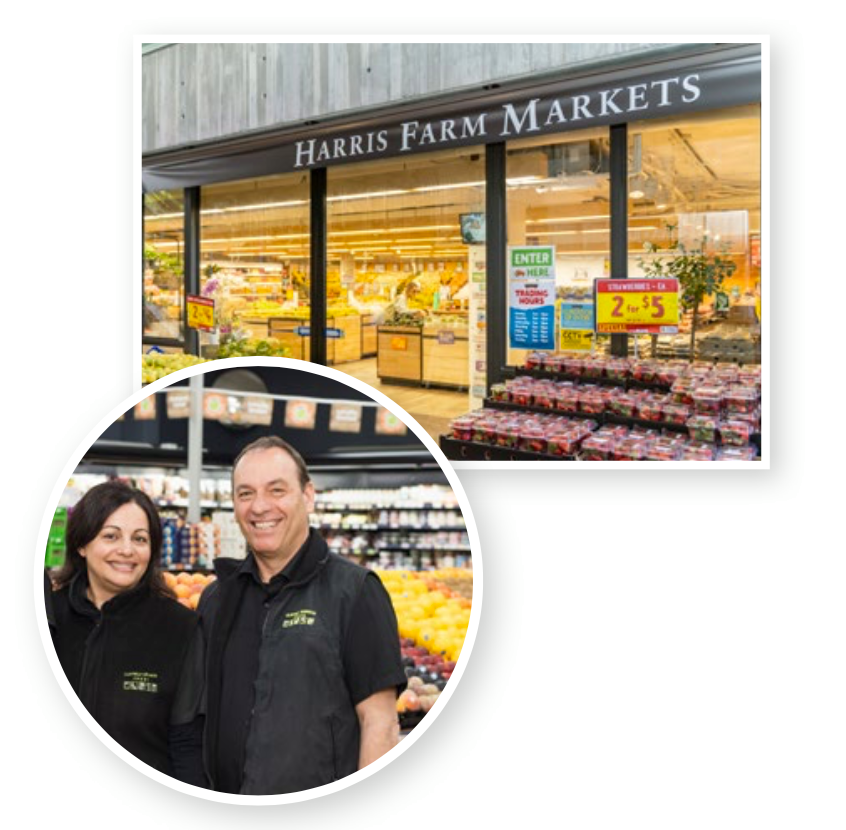
Harris Farm Markets, established in Clayfield in the 1980s, is Australia’s biggest retailer of fruits and vegetables. Know more about its history and how Harris Farm Markets recently went full circle.


How It All Began

When David and Cathy Harris, the family behind Harris Farm Markets, decided to focus on their business’ expansion in NSW in 1991, locals Carlo and Susan Lorenti bought their Clayfield business.

Carlo had long been regarded as the Mango King of Queensland, a moniker he earned because of his penchant for buying the first batches of mango harvests and using them to fund charities like Life Education or Redkite.

Harris Farm Markets holds a special place in his heart because of more than just the produce. He met his wife at Harris Farm Markets in Ashfield, Sydney several decades ago. 

Originally from Calabria in Italy, Carlo arrived in Sydney with this family in the 1970s at the age of 12. His work at Harris Farm Markets Ashfield gave him the opportunity to oversee some of the business’ other outlets, including Clayfield. He and David have always maintained a great relationship as business colleagues and good friends.

Susan, from Sydney,  was only 18 when she met her future husband and the father of her two boys, Julian and Jamie, at the Ashfield outlet where she also worked. After buying Harris Farm Markets from the Harris family, the Lorentis settled in Clayfield where their sons went to school some two kilometres away from their store.


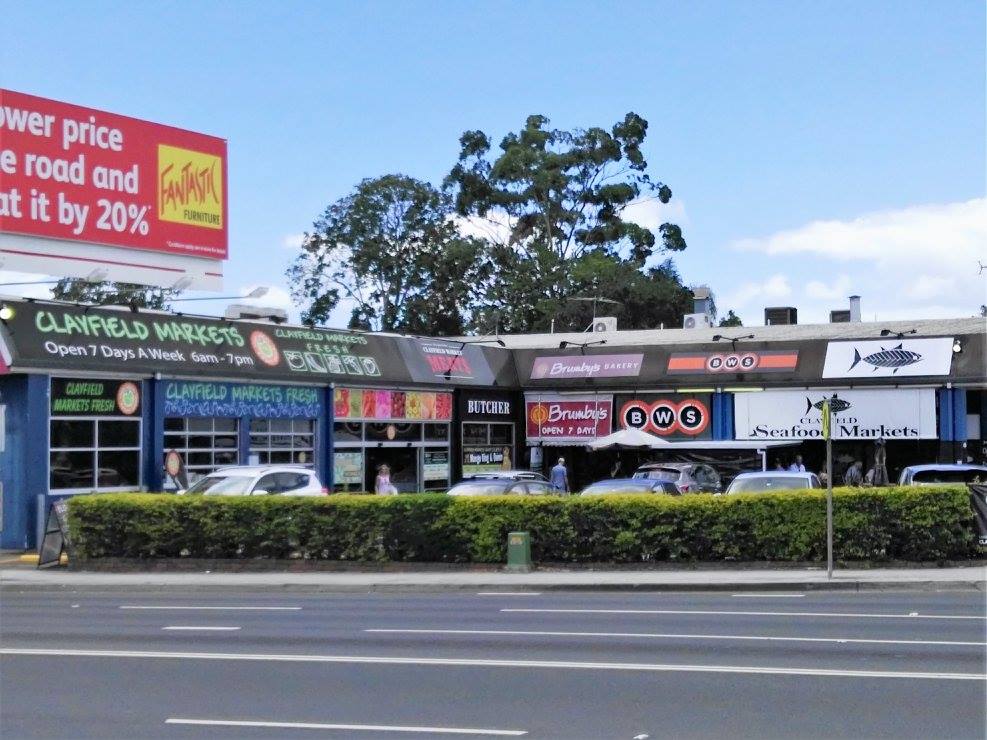
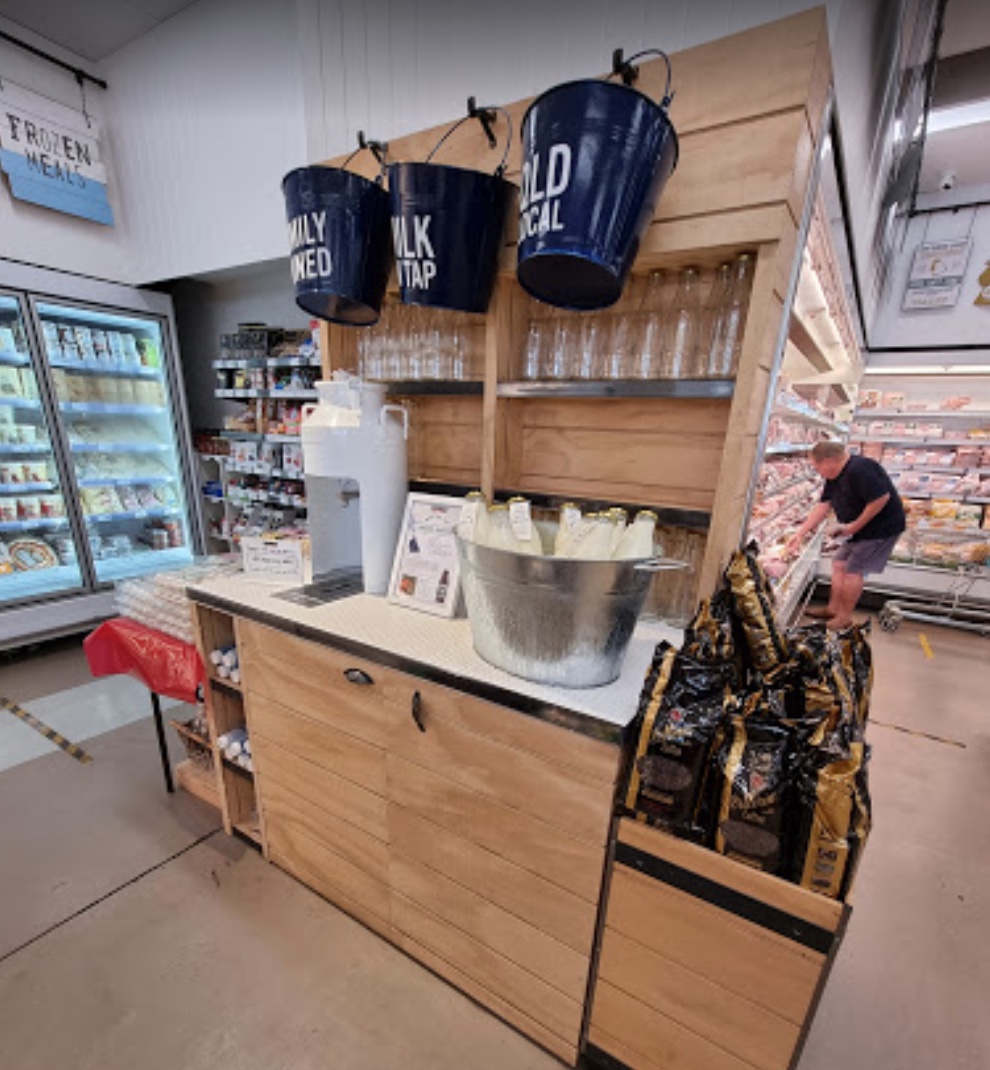
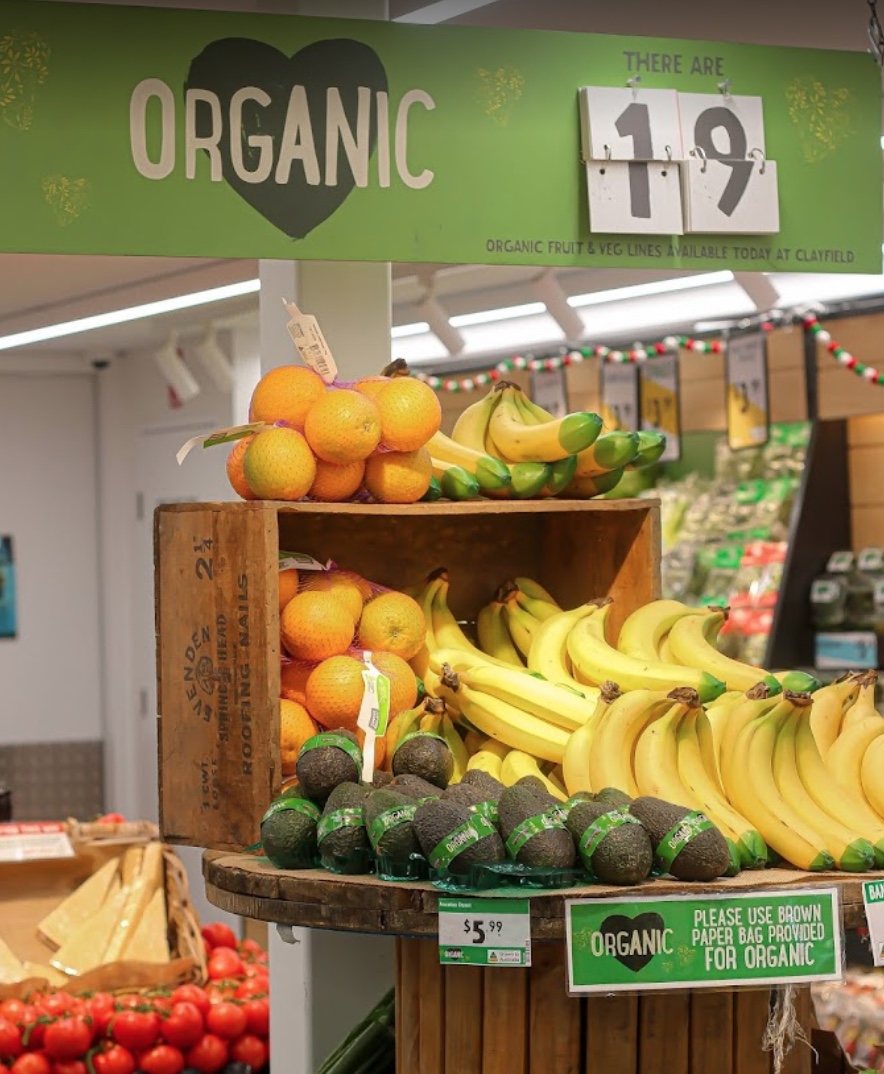
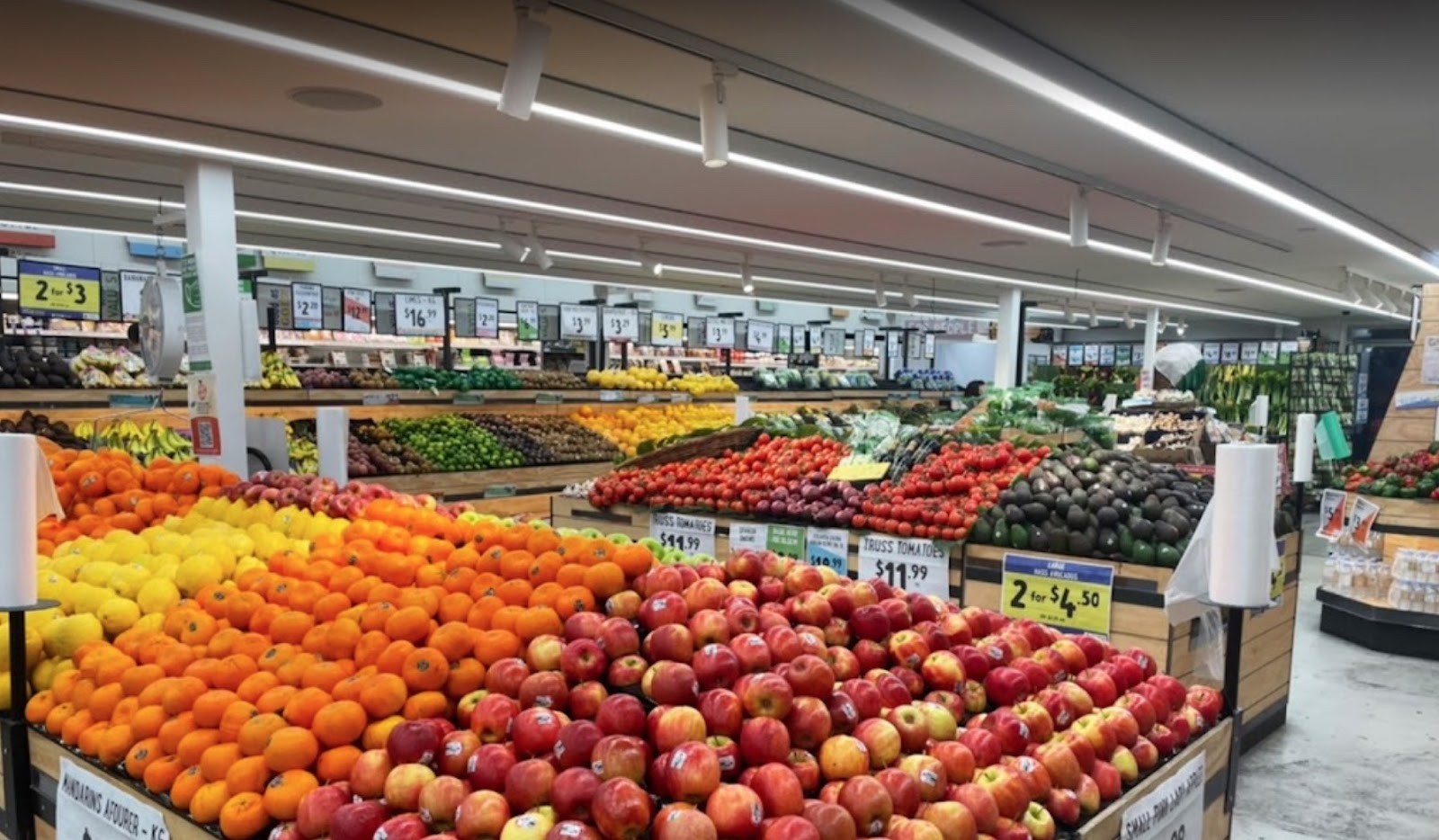
The Lorentis renamed Harris Farm Markets into Clayfield Markets Fresh, which became known for good quality and the widest varieties of produce, specialty cheese, and grocery items at reasonable prices. The store also offered a selection of international food, including Spanish and Italian meats like jamon or prosciutto, gourmet dips, and designer chocolates or ice cream. 

Clayfield Markets Fresh
Photo Credit: Google Maps 
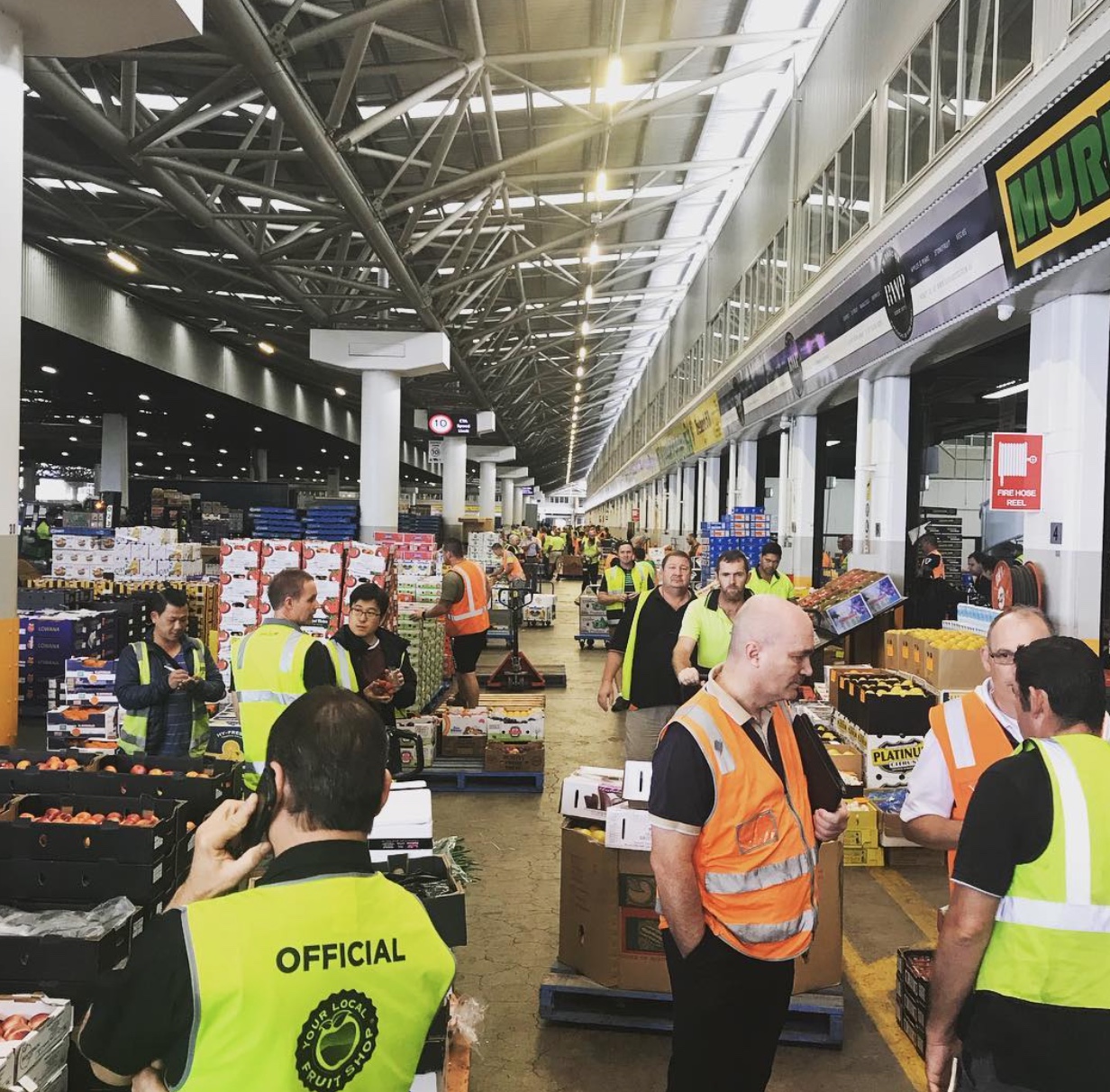
Clayfield Markets Fresh
Photo Credit: ClayfieldMarkets/Instagram
Clayfield Markets Fresh
Photo Credit: ClayfieldMarkets/Instagram

Coming Full Circle

Sometime in 2019, Harris Farms, through CEO Tristan Harris, one of the sons of David and Cathy, approached the Lorentis to discuss buying back the Clayfield site, the historic family home of Harris Farm Markets in Queensland, amidst the Harris family’s plans to expand in the region. 

Carlo and Susan felt it was the right thing to do after 30 years of running Clayfield Markets Fresh. Carlo said that he did not want to pass on the business to an operator that wasn’t as passionate as Susan and him. 

Carlo and Susan Lorentis
Photo Credit: Loving Nundah/Facebook

In a beautiful twist of fate, the pair came full circle and turned over the markets to the family that started their career and to a store where they first built their lives together.

Harris Farm Markets in Clayfield officially re-opened in November 2020 after a rebuild and the addition of more workers. Carlo and Susan are still part of the business as the managers. 

Harris Farm Market
Photo Credit: Peter Barton/Google Maps
Harris Farm Market
Photo Credit: Ines Fernandez/Google Maps
Harris Farm Market
Photo Credit: Photograng BNE/Google Maps

Harris Farm Markets Autumn 2022 Recipes

Meanwhile, autumn is the perfect time to enjoy a cooler picnic at Kalinga Park with the family and Harris Farm Markets has provided some amazing seasonal specifics for preparing delicious picnic food using ingredients like raspberries, Pink Lady Apples, broccolini, white grapes, pears, figs, avocados, mandarins, red grapefruit, truss tomatoes, citrus, and of course, loads of veggies. 

Spice up breakfasts with a spoonful of baked sweet plums and the flavours of cinnamon and star anise in the morning. Or spoon them over yogurt for a quick and simple dessert. These versatile baked plums are a saviour to have in the fridge.

BAKED SPICED PLUMS WITH CINNAMON QUINOA PORRIDGE
Photo Credit: Supplied

The perfect Autumn flavour combination and great with a cuppa. Welcome to cake that’s cool! 

Ahhhh, the slow cook flavour pot that is perfect for cooler nights, is great with red wine, and seems even better the next day!

It’s like vegetable hundreds and thousands, that’s great for your tastebuds and your immunity. AND you are buying and eating local produce!

MOROCCAN STYLE VEGGIE TRAY BAKE
Photo Credit: Supplied

A lighter Autumn dish that carries a touch of spice. Super flavoursome, super healthy. 

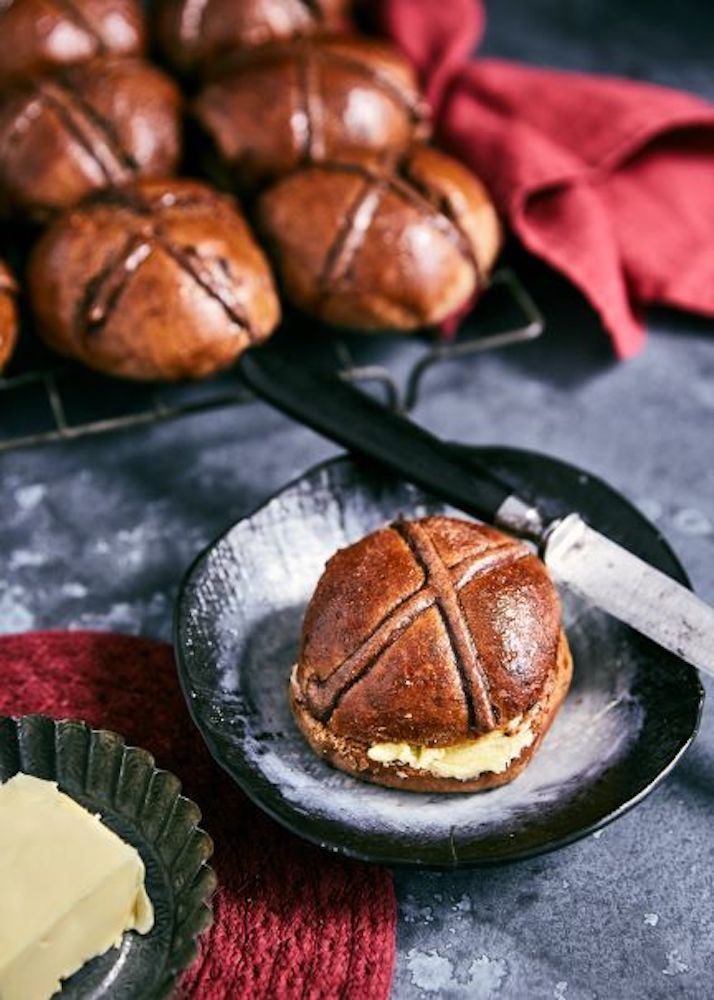
Delicious hot cross buns packed with chocolate, but still spiced with all the traditional hot cross bun stuff! 

CHOCOLATE HIT CROSS BUNS
Photo Credit: Supplied

For more on Harris Farm Markets, follow their Facebook page for updates.